
UK Casinos Accepting Citadel in 2026: The Honest State of Play
 Available in GB

Citadel Instant Banking used to be one of those payment methods you’d find on most UK casino cashier pages. Quick bank-to-casino transfers, no card details shared, instant deposits. Then it quietly disappeared from operator after operator, and today it has become genuinely rare.
This isn’t a “top 50 Citadel casinos” list. There aren’t 50. The honest count sits closer to a handful of UKGC-licensed operators who still list it, and even those come with caveats worth knowing before you fund an account. What happened? Open Banking arrived, did everything Citadel did but added withdrawal support, and the market moved on. Citadel’s deposit-only model couldn’t compete.
If you’re here because you relied on Citadel before, the practical question is what replaces it now. Pay by Bank, Trustly, and a few other instant transfer methods offer the same direct bank connection without the withdrawal headache. And if you were wondering whether casinos outside the UK licence still take it, they don’t—and they would not be a safe substitute anyway.
Six UKGC-licensed operators have been associated with Citadel deposits. We’ll break down each one, explain which have clear current support and which you should double-check at the cashier, and give you the alternatives that work the same way. No padding, no speculation—just the state of play as it actually stands.
Citadel at UK Online Casinos in 2026: The Current Reality
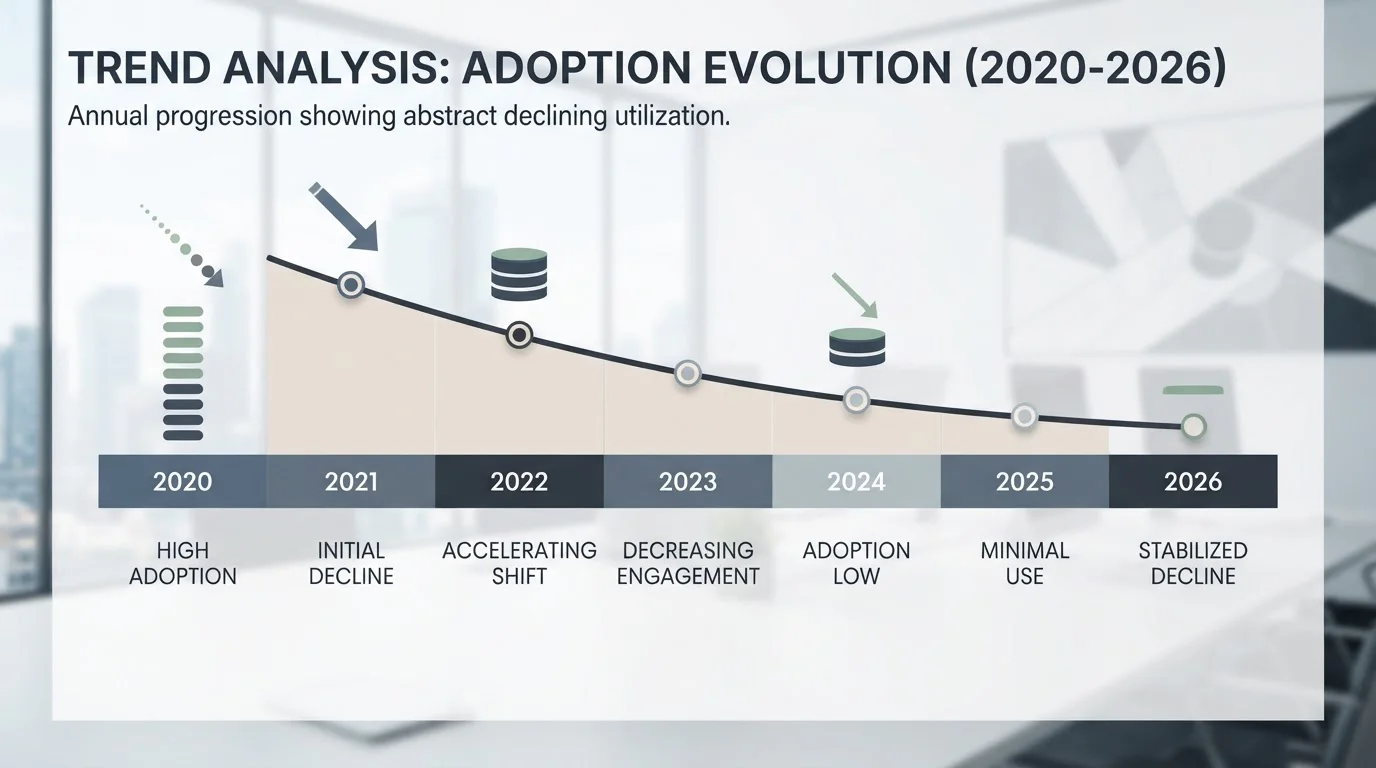
Citadel Instant Banking hasn’t been formally discontinued. There’s no press release, no shutdown announcement, no regulator ban. It just stopped appearing on casino cashier pages, operator by operator, until finding one that still lists it became harder than finding one that doesn’t. Today only a handful of casinos worldwide still list it, down from the dozens that carried it five years ago.
The timeline correlates directly with Open Banking adoption in the UK. PSD2 came into force across Europe in 2018, and UK financial infrastructure kept those standards post-Brexit. Open Banking tech—Pay by Bank, instant bank transfers, whatever label a casino slaps on it—does exactly what Citadel did: connects your bank account to a merchant via secure authentication, transfers funds instantly, no card involved. The difference? Open Banking supports withdrawals. Citadel doesn’t.
That withdrawal gap turned fatal when the UK Gambling Commission banned credit cards at all licensed operators in April 2020. The ban was player-protection policy—stop people gambling with borrowed money. But it also created a spike in demand for non-card deposit methods. Debit cards still worked, but players who’d avoided cards entirely (whether for budgeting, privacy, or general preference) needed alternatives. Citadel could have filled that space. Open Banking filled it faster and better.
Is Citadel Instant Banking still available at UK online casinos in 2026?
Yes, barely. PlayOJO’s Citadel page is still live and marked “Active,” though deposit-only. Videoslots is often named as a Citadel casino, and Ladbrokes, Grosvenor, Coral and 888casino have been linked to it, but none promotes it today. Some listings may be legacy code, so check the live cashier before registering.
Why Citadel Became So Rare
Three forces converged. First, Open Banking infrastructure became the standard for instant bank transfers in the UK between 2020 and 2026. It’s regulatory-backed (FCA under PSD2), supports two-way transfers (deposit and withdrawal on the same rail), and connects to every major UK bank. Trustly, Pay by Bank, Instant Bank Payment—they’re all Open Banking under different branding. Casinos that adopted one of these could offer players instant deposits and same-day withdrawals through a single integration. Citadel offered instant deposits and zero withdrawal capability. The value proposition collapsed.
Second, the UKGC credit card ban accelerated demand for alternative payment methods just as Open Banking scaled up. Players needed non-card options that were fast, secure, and didn’t require creating separate e-wallet accounts. Open Banking hit all three. Citadel hit two. That withdrawal asymmetry—fund your account via Citadel, then withdraw via debit card or PayPal—created friction. Players hate friction. Operators optimise for conversion. A payment method that complicates the withdrawal flow gets dropped.
Third, network effects. When Amazon UK added Pay by Bank as a checkout option, that signalled mainstream adoption. The infrastructure is now ubiquitous. Banks support it, consumers recognise it, merchants integrate it. Citadel, by comparison, became legacy tech. Established in 2000, it predates Open Banking by nearly two decades. That head start didn’t translate into staying power once the regulatory environment shifted and better rails appeared.
None of this makes Citadel unsafe or broken. It still works for deposits at the handful of operators that support it. But it’s been eclipsed by methods that do the same job with fewer limitations, and in a competitive market, that’s enough to push something to the margins.

UKGC-Licensed Casinos That Still Accept Citadel
Six UKGC-licensed operators have been linked to Citadel deposits. That’s the universe we’re working with—not ten, not twenty, six. Two of them (PlayOJO and Videoslots) show clearer signs of current support than the other four. All six are legitimate licensed operators; the question is whether Citadel still processes live on their cashiers.
Before we break down each one: understand that Citadel at UK casinos means deposits only. Withdrawals require an alternative method—debit card, e-wallet, bank transfer, whatever else the operator supports. That’s not operator-specific; it’s how Citadel works. You fund the account instantly, you pull winnings out via something else. If that asymmetry bothers you, the alternatives section further down maps methods that handle both directions.
| Casino | UKGC Licence | Citadel Deposit | Citadel Withdrawal | Min Deposit | Welcome Offer | Alternative Instant Methods |
|---|---|---|---|---|---|---|
| PlayOJO | Active | Listed (deposit-only page live) | No | £10 | No-wagering spins model | PayPal, Trustly, Instant Bank Payment, Apple Pay |
| Videoslots | Active | Widely listed; check cashier | No | £10 | 100% up to £200 + 11 wager-free spins | PayPal, Trustly, Apple Pay, bank transfer |
| Ladbrokes | Active (see register) | Check cashier | No | £10 | 100 Free Spins + 300 LadBucks | PayPal, Trustly, Paysafecard |
| Grosvenor | Active | Check cashier | No | Check cashier | Check current offer | PayPal, debit cards |
| Coral | Active (see register) | Check cashier | No | £10 | 100 Free Spins on £10 play | PayPal, Visa, Paysafecard |
| 888casino | 39028 | Check cashier | No | Check cashier | Check current offer | Debit cards, e-wallets, bank transfers |
PlayOJO has a live Citadel banking page. Videoslots is the name most often associated with Citadel. The other four do not mention Citadel in their own payment marketing. That doesn’t mean they definitely don’t accept it—just that you should check the cashier yourself before relying on it.
Which UKGC-licensed casinos still accept Citadel in 2026?
PlayOJO and Videoslots show the clearest signs of support. Ladbrokes, Grosvenor, Coral and 888casino have been linked to Citadel but don’t promote it, so those listings may be out of date. All six hold active UKGC licences; the only variable is whether Citadel appears on the deposit screen.
Videoslots
One of the largest game libraries in the UK market sits at Videoslots—over 12,000 titles from more than 150 providers. Established in 2011, operating under a Malta licence and a UK Gambling Commission remote casino licence, it’s been a staple of the UKGC landscape for over a decade, and it is the casino most often named when players ask where Citadel still works.
Even so, Videoslots’ own payment pages prominently mention Visa, Mastercard debit, PayPal, Trustly, and Apple Pay—Citadel doesn’t feature in the front-facing marketing. That could mean it’s available but not promoted, or it could mean it has been quietly withdrawn. Either way, if you’re planning to use Citadel here, confirm it appears in your account cashier before you commit.
What’s not in doubt: Videoslots offers a wager-free spins model on its welcome package. Deposit and spend £10, get 100% match up to £200 plus eleven spins with zero playthrough requirement. Withdrawals via PayPal, Trustly, Visa, and Apple Pay process in five to twenty-four hours. Bank transfers take one to three working days. Minimum deposit across all methods is £10. The breadth of the game library—slots, live casino, table games, jackpots—makes it a reasonable landing spot if you’re looking for variety and the Citadel integration still works.
PlayOJO
Launched in 2017 by SkillOnNet, PlayOJO built its reputation on a no-wagering bonus model that remains distinctive in the UK market. Every bonus, every free spin, every promotional offer comes with zero playthrough requirements—winnings are withdrawable immediately. That’s not marketing fluff; it’s their core differentiator.
More relevant here: PlayOJO’s Citadel banking page is still live, marked “Active” at the top. It describes Citadel Instant Banking as an e-check service for deposits, emphasises speed and security, and then explicitly states: “Even though you can’t use it to cash out your profits, there are alternative financial instruments serving the same purpose.” That’s a direct confirmation—Citadel works for deposits, withdrawals require something else.
The page also notes availability “depends on your country,” which suggests the method may not appear for every UK player or may be geo-restricted within certain regions. If you’re considering PlayOJO specifically for Citadel access, that’s one more variable to check at account creation. On the upside, PlayOJO lists multiple instant alternatives: PayPal, Trustly, Instant Bank Payment, Fast Bank Transfer, and Apple Pay all process deposits instantly and support withdrawals. Minimum deposit is £10 across the board, and the no-wagering model means you won’t hit bonus restrictions that exclude certain payment methods from promotions.
Of the six operators covered here, PlayOJO’s dedicated, live banking page makes it the clearest case of active Citadel support at a UKGC-licensed casino.
Ladbrokes
Founded in 1886 as a land-based bookmaker, Ladbrokes went online in 2000 and now operates as part of Entain plc’s multi-brand portfolio. Its UKGC licence, held by LC International Limited, has been active for years (check the number on the public register), and the brand carries significant name recognition among UK players—high-street shops, sportsbook, casino, poker, bingo, the full spectrum. Trust isn’t the question; current Citadel support is.
Ladbrokes has been linked to Citadel deposits, but its own payment pages promote debit cards, PayPal, Trustly, and Paysafecard, with no mention of Citadel in front-facing cashier pages. That pattern repeats across most of the operators in this section: the association exists, but their own sites don’t feature the method. It suggests a legacy listing rather than active promotion.
If Citadel does still process at Ladbrokes, you’d be depositing at an operator known for fast withdrawals: PayPal clears in under five hours and Visa Fast Funds in under four hours. The current welcome offer is 100 Free Spins plus 300 LadBucks when you deposit and spend £10 on slots. Minimum deposit is £10. Game library is extensive—Ladbrokes pulls from major providers and has been in the market long enough to have deep relationships across the supplier ecosystem.
Our recommendation: check the live cashier before you register. If Citadel appears, it works. If it doesn’t, the alternatives listed above are instant and cover both deposit and withdrawal without friction.
Grosvenor
Rank Group operates Grosvenor Casinos—52 land-based venues across the UK plus a UKGC-licensed online casino. It’s an omnichannel operator, meaning your online account works at the physical casinos and vice versa. That’s rare in the UK market and appeals to players who want both digital and in-person access under one account. Rank Group is a long-established London-listed company, which brings public-market scrutiny of its finances.
Grosvenor has also been linked to Citadel, but its public banking information does not confirm the method. PayPal and debit cards are accepted, and the cashier inside your account is the only reliable place to see the full current list.
Premium brand positioning and land-based integration make Grosvenor worth considering if you’re looking for a casino with physical presence. But if Citadel is the deciding factor, you’ll need to check the cashier yourself or contact support before funding an account.
Coral
Sister brand to Ladbrokes under the Entain umbrella, Coral is licensed by the UK Gambling Commission through the same LC International entity (check the number on the public register) and has operated in the UK since 1926. The online casino features over 4,500 slots alongside live casino, table games, sportsbook, and bingo. Like Ladbrokes, it’s a high-street bookmaker with significant brand recognition and a loyal UK player base.
Coral has been linked to Citadel alongside Ladbrokes, but Coral’s own promotion pages and cashier marketing emphasise debit cards, PayPal, Visa, and Paysafecard. Citadel doesn’t feature. The welcome offer—100 Free Spins when you deposit and play £10 on slots—excludes deposits made via Neteller, PayPal, Paysafe, Skrill, or certain debit cards, which tells you those methods are accepted but not bonus-eligible. If Citadel does appear in your cashier, check the offer terms to see whether it qualifies.
Coral’s payment infrastructure mirrors Ladbrokes’ since they share corporate ownership. Fast withdrawals, same £10 minimum deposit, same breadth of operator experience. If you’re considering Coral for Citadel, apply the same verification step: check the cashier at account creation, and if the method doesn’t appear, the alternatives are instant and two-way capable.
888casino
One of the oldest online casinos globally, 888 launched in 1997 and has held a UK Gambling Commission licence (39028) since 2014. 888 Holdings bought William Hill’s non-US business in 2022 and renamed itself evoke plc in 2024, and the 888casino brand carries nearly 30 years of operating history and legacy brand trust. The platform mixes proprietary software (Dragonfish) with third-party providers, giving it a distinct game library alongside the standard NetEnt-Pragmatic-Play staples.
888casino has been linked to Citadel too, but its payment pages mention debit cards, e-wallets, and bank transfers without specifying which e-wallets or instant methods are live. That’s common for operators with broad payment portfolios—they list categories rather than every individual processor.
If Citadel still works at 888casino, you’d be depositing at a site with deep regulatory history and financial backing. If it doesn’t, 888 supports enough alternatives that funding an account won’t be a problem. But for Citadel specifically, this is another “check the cashier” scenario rather than a confirmed live option.

How Citadel Instant Banking Works at Casinos
Citadel operates as an e-check service that connects your bank account directly to a casino’s merchant account. No Citadel account creation, no separate login, no app to install. You select Citadel at the casino cashier, get redirected to the Citadel portal, pick your bank from a list, authenticate via your own online banking interface, and the transfer completes. Funds hit your casino balance within minutes.
The appeal was always speed plus security. No card details passed to the casino, no sensitive information stored with a third-party processor. You authenticate on your bank’s own site—Citadel just facilitates the handshake between the two ends. For players who didn’t want to use cards and didn’t want to maintain an e-wallet balance, it filled a useful gap.
The limitation that eventually killed that appeal: Citadel doesn’t support withdrawals. Never has, despite periodic suggestions that it might in the future. PlayOJO’s banking page still references a vague “you might be able to use Citadel to make withdrawals as well” in future tense, but that’s been the line for years. In practice, if you deposit via Citadel, you’re withdrawing via something else—debit card, PayPal, bank transfer, whatever the operator offers.
Making a Citadel Deposit Step-by-Step
Assuming the casino lists Citadel on its cashier page, the flow is straightforward. Log in to your casino account, navigate to the deposit section, select Citadel (or “Instant Banking by Citadel” if that’s how it’s labelled). Enter the amount you want to deposit—most casinos set a £10 minimum for instant banking methods, though that varies by operator.
You’ll be redirected to the Citadel payment portal. Select your bank from the list of supported institutions. All major UK banks are covered—Barclays, HSBC, Lloyds, Nationwide, NatWest, Santander, and dozens more. Click through, and you’ll land on your bank’s own online banking login page. That’s not a Citadel page—it’s your actual bank, which is why the security model works. Citadel doesn’t see your credentials.
Authenticate however your bank requires: username and password, biometrics, one-time code, whatever two-factor setup you’ve configured. Approve the payment. You’ll be redirected back to the casino, and the funds appear in your balance within a few minutes. No waiting, no processing delay. That instant-deposit experience is identical to what Open Banking methods offer now—it’s just that those methods also let you withdraw the same way.
Why Citadel Doesn’t Support Withdrawals
The technical reason is infrastructure. Citadel was built as a one-way payment system—money flows from the player’s bank to the merchant. Sending money the other way (a payout from the merchant back to the player’s bank) requires different authorisation frameworks and compliance checks. Open Banking, designed under PSD2, handles both directions as part of its core specification. Citadel, predating that regulatory framework by nearly two decades, doesn’t.
The practical reason is market positioning. When Citadel launched in 2000, instant deposits were the innovation. Withdrawals at online casinos took days regardless of method—debit cards, bank transfers, cheques (yes, cheques). The fact that Citadel couldn’t process withdrawals wasn’t a competitive disadvantage because nothing else was fast either. By the time withdrawal speed became a differentiator in the mid-2010s, Citadel had already established its product as deposit-focused, and retrofitting two-way capability would have required rebuilding the platform.
Open Banking didn’t have that legacy constraint. It launched post-2018 with two-way transfers as baseline functionality, and casinos adopted it specifically because it solved the withdrawal bottleneck. For a player in 2026, the result is clear: if you want instant banking in both directions, Open Banking methods are the product category. Citadel is the older tool that does half the job.
Can I withdraw casino winnings using Citadel?
No. Citadel handles deposits only, so every casino that accepts it will ask you to add a second method for cashouts: a debit card, an e-wallet such as PayPal or Skrill, a bank transfer, or an Open Banking option like Trustly. That asymmetry is the main reason operators phased Citadel out.
Fees and Limits
Citadel itself charges no user-facing fees for deposits. The casino operator absorbs any processing costs, which is standard practice at UKGC-licensed sites—players don’t pay transaction fees on deposits via any mainstream method. Your bank may apply its own charges for outbound transfers, but that’s bank-dependent, not Citadel-specific.
Deposit limits are set by the casino, not by Citadel. Typical minimums sit at £10, which matches the floor for most instant banking and e-wallet methods. Maximum single-transaction limits vary widely—anywhere from £5,000 to £50,000 depending on the operator’s risk appetite and the player’s account standing. High rollers usually negotiate custom limits directly with the casino rather than relying on default cashier caps.
Speed: deposits are instant. Funds credited within minutes. Withdrawals: not applicable via Citadel. When you cash out via an alternative method, speeds range from under an hour (PayPal, Trustly, Visa Fast Funds at top operators) to one to three working days (standard bank transfer).
Are there any fees for using Citadel at online casinos?
No. UKGC-licensed casinos do not charge players for Citadel deposits. The operator covers processing costs as part of the payment infrastructure overhead. Your bank might apply a fee if it treats the transaction as a bill payment or external transfer, but that’s between you and your bank—Citadel and the casino don’t add charges on top.
How does Pay by Bank differ from Citadel Instant Banking?
Both link your bank account to the casino without card details or an e-wallet, authenticate through your own bank and deposit instantly. The difference is that casinos offering Pay by Bank can usually pay withdrawals back the same way, while Citadel is deposit-only. Pay by Bank providers are FCA-regulated under the UK’s PSD2-derived rules.
Best Alternatives to Citadel for Instant Bank Transfers
If you’re reading this because Citadel used to be your go-to and you need a replacement, the hierarchy is straightforward. Open Banking methods—Pay by Bank, Trustly, Instant Bank Payment, whatever label the casino uses—do exactly what Citadel did, faster, with withdrawal support included. PayPal sits one step removed (requires a separate account) but clears withdrawals faster than almost anything else in the UK market. Debit cards are the ubiquitous fallback: everyone has one, deposits are instant, and Visa Fast Funds brings withdrawal times down to under an hour at the best operators.
| Method | Deposit Speed | Withdrawal Speed | Fees | Setup Required | Two-Way Transfer |
|---|---|---|---|---|---|
| Pay by Bank / Open Banking | Instant | Same day to instant | None | No | Yes |
| Trustly | Instant | Under 1 hour (tested) | None | No | Yes |
| PayPal | Instant | 35 minutes–4 hours (tested) | None | Separate account | Yes |
| Debit Cards (Visa/Mastercard) | Instant | 1 hour to same day (Visa Fast Funds) | None | No (card you already have) | Yes |
None of these are obscure. All four are widely accepted at UKGC-licensed casinos in 2026, all process deposits instantly, all handle withdrawals without forcing you to use a different method. That’s the standard now—if a payment method can’t do both directions, it doesn’t make sense to use it unless you have a specific reason.
What is the best alternative to Citadel for instant bank transfers at UK casinos?
Pay by Bank (Open Banking) is the direct replacement: instant, bank-to-casino, with no card or intermediary account, and usually paired with bank withdrawals. Look for “Instant Bank Transfer,” “Instant Bank Payment” or “Pay by Bank” in the cashier. Trustly is the same technology under a branded provider name.
Pay by Bank / Open Banking
This isn’t a single company or brand—it’s the infrastructure category that replaced Citadel. Multiple providers (Trustly, Yapily, TrueLayer, Finexer, and others) offer Open Banking payment rails to UK casinos, and each casino labels it differently on the cashier page. You’ll see “Pay by Bank,” “Instant Bank Transfer,” “Instant Bank Payment,” or a provider-specific name. All of them work the same way under the hood: PSD2-compliant instant bank transfers, FCA-regulated, two-way capable.
The user experience mirrors what Citadel offered. Select Pay by Bank at the casino cashier, pick your bank from a list, authenticate via your banking app (fingerprint, face ID, PIN, one-time code), approve the payment. Funds hit the casino instantly. To withdraw, reverse the process: request a payout via Pay by Bank, the casino pushes the funds back to your bank account, and they land same-day or within hours depending on the operator’s processing queue.
No card details shared. No separate account to fund or manage. No fees—operators absorb the cost. Minimum deposits typically sit at £10, matching the floor for other instant methods. Withdrawal limits are casino-specific, but the payment method itself doesn’t impose caps beyond what your bank allows for incoming transfers.
Open Banking became the UK standard between 2020 and 2026. Amazon UK’s addition of Pay by Bank at checkout signalled mainstream consumer adoption—it’s no longer a niche casino payment method, it’s how people pay online. Every major UK bank supports it. Every UKGC-licensed casino worth playing at offers it. If you need instant bank transfers and you’re choosing a new method, this is the category to pick.
Trustly
Swedish fintech founded in 2008, Trustly is the largest branded provider of Open Banking payments in Europe. It supports 6,300 banks globally, including every major UK institution, and reaches over 525 million consumers. It is an independent company, backed by private equity rather than owned by PayPal or any bank. Trustly operates as a licensed Payment Institution under PSD2, FCA-authorised for UK operations.
From a player’s perspective, Trustly works identically to generic Pay by Bank. Select it at the casino cashier, authenticate via your own bank, deposit instantly. Withdraw the same way—the casino returns funds to your bank account via Trustly, and they land fast. Trustly withdrawals at Betway have been clocked at 50 minutes from request to cleared funds. That’s legitimately fast, well ahead of standard bank transfers and competitive with the best e-wallets.
UK casinos accepting Trustly include PlayOJO, Betway, Ladbrokes, SpinYoo, and DAZN Bet among others. Trustly also powers “Pay N Play” casinos—sites that verify your identity via your bank account at first deposit, skipping traditional registration forms. You connect your bank, deposit, and start playing in one flow. Not every Trustly casino uses that model, but it’s a feature unique to Open Banking infrastructure.
No Trustly account required. No user fees. Minimum deposit £10 at most casinos. Two-way instant transfers make it the cleanest Citadel replacement available. The only reason to pick generic Pay by Bank over Trustly is if your preferred casino lists one but not the other—functionally, they’re the same thing.
PayPal
Not a direct bank transfer, but it solves the same problem: instant deposits, fast withdrawals, no card involved. PayPal Holdings is a publicly traded US company, FCA-authorised in the UK, and accepted at nearly every major UKGC-licensed casino. Over 700,000 PayPal transactions flow through PlayOJO alone every year, making it one of the top five payment methods at that operator.
You’ll need a PayPal account, and you’ll need to link a bank account or debit card to it. That’s an extra setup step compared to Open Banking, but most UK players already have PayPal for non-gambling use, so the friction is minimal. Once your account is funded or linked, casino deposits are instant—click PayPal at the cashier, log in, approve the amount, done.
Withdrawals are where PayPal shines. PayPal payouts have been clocked at 35 minutes at Casumo and under four hours at Betway. Contrast that with standard bank transfers (one to three working days) or even some e-wallets (four to 24 hours), and PayPal is consistently at the fast end.
Wide acceptance is another advantage. Ladbrokes, Coral, PlayOJO, 888casino, Betway, Casumo, Grosvenor, and Netbet all support PayPal for both deposits and withdrawals. If you’re casino-hopping or trying new operators, PayPal works almost everywhere. No user fees at UKGC casinos—the operator pays processing costs. Minimum deposit usually £10.
The downside: it’s not a direct bank connection, so you’re adding an intermediary. Some players prefer to keep casino transactions off their PayPal activity log for privacy or organisational reasons. But if you want instant deposits and the fastest withdrawals available in the UK market, PayPal delivers.
Debit Cards (Visa Fast Funds)
Almost every UK adult has a debit card. That ubiquity makes cards the fallback option when nothing else fits. Visa and Mastercard debit deposits are instant at every UKGC-licensed casino—you’re already at the table within seconds of approving the transaction. The UKGC banned credit cards in April 2020, but debit cards remain fully permitted and are the most common deposit method in the market.
The withdrawal side improved dramatically with Visa Fast Funds, a push-payment service that sends payouts back to your card in under an hour. Not every casino has adopted it yet, but the top operators have. Visa withdrawals at Casumo have cleared in one hour. Ladbrokes and other Entain brands process Visa Fast Funds withdrawals in under four hours. Standard card withdrawals (the older rail) still take one to three working days, so check whether your casino uses Fast Funds before you rely on speed.
No setup, no separate account, no extra steps. You enter your card details once at registration, and they’re saved for future deposits. Minimum deposits sit at £1 to £10 depending on the casino. No fees—UKGC operators don’t charge for card deposits, and Visa doesn’t add consumer fees on gambling transactions.
Cards and Citadel differ mainly in what the casino sees: with Citadel or Open Banking, the casino never receives your card number. That is a data-handling difference, not a reason to choose one over the other. Whatever you use, the payment will be visible to you in your own banking or e-wallet history, which is exactly where it should be if you are keeping track of your spending. Cards are the simplest option: instant in, fast out (if the casino uses Visa Fast Funds), universally accepted, zero friction.

Offshore Casinos and Citadel
Citadel is not found at casinos operating outside the UK Gambling Commission licence. Those sites typically focus on credit cards and cryptocurrency instead, and the Open Banking providers that replaced Citadel in the UK concentrate on regulated markets.
More importantly, offshore sites are not a like-for-like substitute for a UK casino. They are not part of GAMSTOP, they do not offer the UKGC complaints route or independent dispute resolution, and they are not bound by UK rules on safer gambling tools, affordability checks or the credit card ban. If a payment method you used to rely on has disappeared from UK cashiers, the safe answer is a UK-licensed alternative such as Pay by Bank, Trustly, PayPal or a debit card, not a site outside the UK system.
If you have self-excluded through GAMSTOP, that exclusion exists to protect you, and looking for sites it does not cover undermines it. Free, confidential support is available from GamCare and the National Gambling Helpline on 0808 8020 133, and GAMSTOP itself can answer questions about your exclusion.
Using Citadel on Mobile Casinos
If the casino supports Citadel on desktop, it supports it on mobile. The payment flow is identical: select Citadel at the mobile cashier, get redirected to the Citadel portal, pick your bank, authenticate via your bank’s mobile app or mobile site, approve the transfer. Funds land instantly in your casino balance. The redirect process works smoothly on iOS, Android, and mobile browsers—no app required, no compatibility issues.
The user experience on mobile is arguably cleaner than desktop. Most UK banks have polished mobile apps with biometric authentication (fingerprint, face ID), so the authentication step is faster than typing a password on a laptop. The redirect flow keeps you in-browser the entire time, so there’s no awkward app-switching or copy-pasting codes between windows.
Most UKGC-licensed casinos in 2026 are mobile-first by design. Their cashier interfaces are responsive, their game libraries load on mobile browsers and native apps equally well, and payment processing happens server-side regardless of device. If you’re primarily a mobile player and one of the six Citadel-linked operators works for you, the mobile experience won’t be the limiting factor. The withdrawal asymmetry will.
Can I use Citadel on mobile casinos?
Yes, if the casino accepts Citadel at all. Mobile and desktop cashiers draw on the same payment integrations, so availability is identical across devices, and the deposit is just as quick on a phone. Withdrawals remain unavailable on every device, so you still need another method to cash out.
Citadel Casino Safety and What Happened to This Payment Method
Citadel itself is safe. It’s a registered Payment Institution in the UK, a member of the Electronic Money Association, and has been operating since 2000 without major security incidents or regulatory actions. The payment model—authenticating via your own bank rather than passing credentials to Citadel—is inherently secure. No card details exposed, no sensitive information stored on Citadel’s servers, no fraud vector beyond what your bank already protects against.
Using Citadel at a UKGC-licensed casino is safe because the casino is regulated, not because of anything specific to the payment method. If the operator holds an active UKGC licence, it must tell you how well your funds are protected if it fails (the Commission does not require ring-fencing), it must offer a complaints process backed by an approved ADR provider, and the Gambling Commission enforces compliance. The payment method you choose doesn’t change that. Whether you deposit via Citadel, PayPal, Trustly, or a debit card, the operator’s licensing and regulatory standing determine your protection level.
The risk with Citadel in 2026 isn’t safety—it’s obsolescence. The method works, but it’s been surpassed by better options. If you’re choosing Citadel because it’s familiar or because you used it years ago, understand that you’re picking a payment method in its sunset phase. It still functions, but support is narrowing, and the withdrawal limitation creates friction that modern alternatives don’t.
Is Citadel safer than using a debit card at casinos?
Not meaningfully. Citadel keeps your card number away from the casino, a marginal privacy gain, but debit cards offer chargeback rights through your bank if something goes wrong, while bank transfers are harder to reverse. At a licensed operator the safety comparison is a wash, so choose on convenience and withdrawals.
What Happened to Citadel
It got leapfrogged. Citadel launched in 2000 as an instant deposit solution when instant anything was novel in online gambling. It built market share through the 2000s and early 2010s, appearing on dozens of UK casino cashiers. Then PSD2 came into force in 2018, Open Banking infrastructure scaled up across Europe, and the UK kept those standards post-Brexit. Suddenly, multiple providers offered the same instant bank-to-casino transfers Citadel did, but with two-way capability baked in from day one.
The UKGC credit card ban in April 2020 accelerated the transition. Players needed non-card alternatives, operators needed methods that didn’t complicate the withdrawal flow, and Open Banking providers scaled aggressively into that gap. Trustly, Pay by Bank, Instant Bank Payment—these weren’t competitors to Citadel in 2015, but by 2022 they were the default instant banking category. Citadel became the older tool that did half the job.
Network effects finished the story. Big retailers such as Amazon UK adding Pay by Bank signalled mainstream consumer adoption. Banks integrated Open Banking APIs into their core infrastructure. Payment processors built turnkey Open Banking modules for merchants. The entire ecosystem aligned around PSD2-compliant instant transfers. Citadel, as a proprietary pre-PSD2 service, sat outside that ecosystem. It didn’t integrate with the new rails. Operators had no reason to maintain both integrations when Open Banking did everything Citadel did plus withdrawals.
No single event killed it. No regulator banned it. It just stopped being the best option, and in a market where players optimise for convenience and operators optimise for conversion, being second-best is enough to lose share until you’re marginal. That’s where Citadel sits in 2026—still functional, still safe, but functionally replaced by infrastructure that does the job better.
The Odds of a Citadel Comeback
Unlikely. The infrastructure gap is structural, not temporary. Open Banking is now the regulatory standard for instant payments in the UK and EU. It’s FCA-backed, bank-integrated, and designed for two-way transfers. Citadel would need to rebuild its platform to match that feature set, which means competing against providers that are already entrenched, already adopted by major operators, and already integrated into consumer banking apps.
There’s no obvious market niche for Citadel to reclaim. Players who want instant bank transfers have Open Banking. Players who want e-wallets have PayPal, Skrill, Neteller. Players who want maximum simplicity have debit cards. Every use case Citadel used to serve is now covered by a method that also handles withdrawals. Unless Citadel adds two-way capability and convinces operators to re-integrate it despite having functional alternatives, it’s staying marginal.
The handful of casinos still accepting it worldwide are likely carrying forward legacy integrations rather than investing in active support. As those operators refresh their payment stacks or migrate to new platform providers, Citadel will drop off entirely. That’s the trajectory—not a sudden shutdown, just a slow fade as legacy code gets replaced and no one builds new integrations.

Slots and Games at Citadel Casinos
Game selection at a casino has nothing to do with which payment methods it accepts. Videoslots offers 12,000+ titles. PlayOJO pulls from major providers like NetEnt, Pragmatic Play, and Evolution. Ladbrokes, Coral, Grosvenor, and 888casino all have extensive libraries spanning slots, live casino, table games, and jackpots. The payment method you use to fund your account doesn’t affect which games you can access.
That said, if you’re limiting yourself to casinos that accept Citadel, you’re choosing from six operators rather than the full UKGC-licensed market. That narrows your options, but the six operators in question are large enough that game variety isn’t a concern. Videoslots alone covers more slots than most players will ever explore. PlayOJO’s live casino runs on Evolution, which is the industry-standard provider. Ladbrokes and Coral offer sportsbook integration alongside casino games if you’re a crossover player.
The constraint isn’t game selection—it’s withdrawal flexibility. If you deposit via Citadel, you’re cashing out via something else. That means you’ll need to add a debit card, link an e-wallet, or set up a bank transfer for payouts. At that point, you might as well deposit via the same method and skip the asymmetry. The game library is identical either way.
—
Finding a UK casino that still accepts Citadel in 2026 is possible but requires checking. PlayOJO has a live Citadel banking page and Videoslots is the name most often associated with the method. Ladbrokes, Grosvenor, Coral, and 888casino have been linked to it but don’t promote it. All six are legitimate UKGC-licensed operators where the question is method availability, not site safety.
If Citadel works at your chosen casino, understand that it’s deposit-only. You’re cashing out via debit card, e-wallet, or bank transfer. That withdrawal asymmetry is the reason most operators phased it out in favour of Open Banking methods that handle both directions. Pay by Bank, Trustly, and PayPal all offer instant deposits and fast withdrawals without forcing you to juggle multiple payment methods.
Casinos outside the UK licence don’t offer Citadel either, and they are not a safe substitute: no GAMSTOP, no UKGC complaints route, no UK safer gambling protections. If you’re looking for instant banking, UKGC-licensed sites give you better options via Open Banking than any offshore site.
Citadel hasn’t been discontinued, but it’s been eclipsed. Open Banking infrastructure does everything Citadel did, faster, with two-way capability, under stronger regulatory backing. Network effects have made Open Banking the standard. Citadel is the legacy option. It still works where it’s supported, but the trajectory is fade-out, not resurgence.
Casino Deposit Methods UK 2026 – Compare Payment Options
Content created by the «Cashier Atlas» team