
Bank Cheque Casinos in the UK: What Actually Replaced Them in 2026
 Available in GB

If you were hoping for a tidy list of UK casinos that take a bank cheque — a dozen sites, a column of ticks, pick one, post your cheque, play — that list does not exist. Not because someone forgot to write it, but because no licensed UK casino in 2026 will take a paper cheque off you, and any site that claims otherwise falls apart the moment you check its actual cashier.
So this is the honest version. The first half explains why the cheque died at the casino door, what killed it, and why bank transfer is the method that took its place. The second half is the practical part: fifteen UK Gambling Commission-licensed operators that let you move money straight from your bank account to your casino balance, which is what most people who want to pay by cheque are really after. Names, licence numbers, recorded payout speeds, the lot.
Why UK Online Casinos Don’t Accept Bank Cheques in 2026
The short answer: a cheque is a promise to pay that takes days to verify and weeks to bounce. Online gambling runs on instant confirmation and minute-by-minute liquidity. Those two rhythms don’t mix.
Walk into a land-based casino in the early 2000s and you could write three cheques per day, backed by a cheque guarantee card. That guarantee disappeared when card networks moved to Chip and PIN. The ritual stayed alive a few more years in high-roller rooms, where large wins left as cheques because moving £50,000 in cash posed its own problems. But even there, cheques were a payout mechanism — rarely an input. Nobody wanted to wait a week to find out if your deposit cleared.
Online casinos launched in a different world. The Gambling Act 2005 arrived alongside mainstream e-commerce, and every payment rail it inherited was electronic. Debit cards, e-wallets, bank transfers processed through Faster Payments. Cheques were already legacy when the first .com casino went live.
The Historical Decline of Cheques in UK Gambling
Cheque usage in Britain peaked in 1990 at 3.4 billion per year. By 2009 it had dropped to 1.2 billion. By 2020, 195 million. An 84 per cent collapse in a decade, per UK Parliament research briefing SN05318. The reasons are structural. Faster Payments launched in 2008, handling transfers under £1 million in under two hours, 24/7. Contactless cards made small purchases frictionless. Direct debits automated bills. Cheques became the fallback for one-off payments where digital rails didn’t fit — rent deposits, solicitors’ fees, elderly relatives who refused to bank online.
Gambling was never that niche. The whole model runs on churn. Deposit, wager, settle, withdraw. Repeat. A multi-day posting-and-clearing cycle kills that loop. Bounce risk kills trust. By the time the Gambling Commission issued its first remote licences, cheques were already absent from cashier designs. Nobody requested them, nobody built them.
Land-based casinos kept cheques longer, but only just. Pre-2020, you could still cash out a large win as a cheque at some UK venues. The 2020 credit card ban and the pandemic’s contactless push finished the job. By 2026, even the Grosvenor and Hippodrome cashiers route large payouts to bank accounts, not chequebooks.
Why Physical Cheques Are Incompatible with Online Casinos
The technical mismatch runs deeper than speed. A cheque is a paper instruction to your bank, signed by you, that has to be posted and paid in before anything happens. Even under today’s image-based clearing, it only clears by the end of the next working day after it is paid in, and the post adds days on top. If the account has insufficient funds, it bounces and the payment is reversed. The casino eats the loss.
Online casinos operate under strict Know Your Customer and Anti-Money Laundering requirements set by the UK Gambling Commission. Every deposit must tie to a verified identity in real time. Debit cards authenticate through 3D Secure. Open Banking routes you through your banking app with biometric confirmation. Faster Payments and e-wallets log every transaction instantly, with full audit trails.
A paper cheque offers none of that. You mail it to a processing address, it sits in a queue, someone manually keys the details, the casino waits for clearance, and if it bounces days later the damage is done. There is no instant ID match, no live account balance check, and no way to enforce deposit limits at the point of payment. The regulatory cost alone makes cheques unworkable.
Fraud risk compounds it. Card payments can be disputed only under strict chargeback rules, and Faster Payments are effectively final once sent. Cheques can be cancelled mid-flight, forged, or drawn on accounts with planned insufficient funds. Velocity of money in gambling means a fraudster could cycle a cheque deposit through wagers and request withdrawal before the original deposit even clears. No licensed operator will shoulder that exposure when instant electronic alternatives exist.
The bottom line: cheques solve no problem that debit cards and bank transfers don’t already solve faster, cheaper, and safer.
What “eCheck” Actually Means (Not Paper Cheques)
You will occasionally see “eCheck” listed as a payment method, which causes confusion. An eCheck is not a digital scan of a paper cheque. It is an electronic authorisation to pull funds from your bank account via a bank transfer process, using your account number and sort code.
In the US, eCheck routes through the ACH network. In the UK, the same concept uses Faster Payments or manual bank transfers. Some payment processors label this “eCheck” on their backend, but UK casinos almost never surface that term at the cashier. You see “Bank Transfer,” “Pay by Bank,” “Trustly,” or “Instant Bank Transfer” instead. Same outcome — money moves electronically from your account to the casino — but no cheque, paper or otherwise, is involved.
If a casino lists “eCheck” as a deposit method, what it actually means is: we accept direct bank transfers with account-based authorisation. The clearing time is one to three working days for deposits, two to five for withdrawals. Faster than a cheque, slower than a debit card, but still fully electronic.
You may also see William Hill and 32Red described online as “casinos that accept cheques”. Neither does. William Hill’s own FAQ confirms Pay by Bank via TrueLayer and standard bank transfers, no cheques. 32Red’s banking page lists debit cards, PayPal, Paysafecard, Trustly — and a note that direct bank transfers to 32Red’s account are not accepted, meaning you use a payment processor, not mail a cheque. The “Instant Cheque” descriptor that appears on some Canadian customers’ bank statements is a payment processor’s name, not a cheque service.
Treat “eCheck” in UK casino contexts as shorthand for electronic bank transfer. If you are genuinely looking for a way to post a paper cheque to a casino, that service does not exist among Gambling Commission-licensed operators in 2026.
Do UK online casinos accept bank cheques in 2026?
No. No UK Gambling Commission-licensed online casino accepts physical bank cheques for deposits or withdrawals in 2026, and sites claiming otherwise usually mean electronic bank transfer. The method is obsolete in UK online gambling, so the practical alternatives are Faster Payments bank transfer, Open Banking services such as Trustly, or a debit card.
Why don’t UK casinos accept cheques anymore?
Cheques clash with online gambling’s instant model and UKGC rules. Posting and clearing take days, which creates fraud risk and blocks real-time identity and deposit-limit checks. Faster Payments, Open Banking and debit cards authenticate instantly and cannot bounce, and UK cheque use fell from 1.2 billion in 2009 to 195 million in 2020.
What is the difference between a bank cheque and a bank transfer?
A cheque is a signed paper instruction that must be posted and paid in, takes days to clear and can bounce. A bank transfer is an electronic instruction sent through Faster Payments or Open Banking, usually arriving within seconds and authenticated by your bank, which is why UK casinos accept transfers but not cheques.
Modern Bank Transfer Options at UK Casinos (The Cheque Replacement)
Bank transfers replaced cheques because they do the same job — move money from your account to the casino — without the wait, the fraud exposure, or the regulatory gap. Three different rails handle the work, each with its own speed and flow.
Understanding the distinction matters because casinos label them inconsistently. One site calls it “Pay by Bank,” another “Trustly,” a third just “Bank Transfer.” Same outcome, different plumbing. Here’s what actually runs under the hood.
| Rail | How You Pay | Typical Deposit Speed | Typical Withdrawal Route | Bonus Eligibility |
|---|---|---|---|---|
| Faster Payments (manual transfer) | Send to the casino’s sort code and account number with your reference | Same day or next working day once matched | Faster Payments after the casino’s pending period | Qualifies at nearly every casino |
| Open Banking / Pay by Bank (Trustly, TrueLayer) | Approve in your banking app | Under fifteen seconds | Back through the provider where supported, otherwise Faster Payments | Excluded by some offers |
| Debit card | Card details plus 3D Secure | Instant | Back to the card | Qualifies almost everywhere |
Faster Payments: The UK’s 24/7 Bank Transfer Backbone
Faster Payments is the UK’s core interbank network, launched in 2008 and handling most domestic transfers today. It runs 24/7, processes transactions under £1 million, and settles in under two hours — typically within seconds. Every UK bank connects to it. If you send money to a friend via your banking app, Faster Payments moves it.
At a casino, Faster Payments mainly powers manual bank transfer: you select “Bank Transfer” at the cashier, the casino gives you its sort code, account number, and a reference, and you log in to your own banking app to send the payment. The money usually arrives within seconds, but the casino credits your balance only once it has matched the reference, usually same-day or next working day. Debit card deposits are a separate system: they are authorised and settled through the Visa or Mastercard networks, not Faster Payments.
Withdrawals to a bank account use Faster Payments almost universally. Once the casino approves your cashout, it releases funds to your bank account via the network. Settlement is instant to two hours from the bank’s side. The variable is how long the casino takes to approve the withdrawal — the “pending period” — which ranges from 24 hours at fast operators to five working days at slow ones.
Faster Payments charges no consumer fees. Banks absorb the cost. CHAPS — the same-day transfer service used mainly for high-value payments such as house purchases — costs £20 to £30 per transaction at many banks, but casinos never need it. Deposit and withdrawal limits top out far below the Faster Payments £1 million ceiling.
Open Banking / Pay by Bank: Instant Authorisation via Your Banking App
Open Banking is the newer rail, driven by the Competition and Markets Authority’s 2017 Open Banking order and the EU’s PSD2 rules, which the UK kept after Brexit. Instead of entering card details or account numbers, you authenticate a payment directly through your own banking app using biometrics or a one-time code. Two providers dominate UK casino implementations: Trustly, an independent Swedish payments company, and London-based TrueLayer, both authorised to operate in the UK.
The flow is seamless. Select “Pay by Bank” or “Trustly” at the casino cashier, choose your bank from a list, get redirected to your banking app, confirm via Face ID or fingerprint, done. The casino balance updates in under fifteen seconds. No card details stored on the casino server, no manual account-number entry, no scope for typos.
Open Banking deposits are instant. Withdrawals depend on whether the casino supports the reverse flow. DAZN Bet, PricedUp Bet, and SpinYoo route withdrawals back through Trustly when you deposited that way, settling in one to two days. Casinos without reverse Open Banking support send withdrawals via standard Faster Payments bank transfer instead, adding a day or two.
The catch is bonus eligibility: some welcome offers exclude Open Banking deposits, as the bonus section below details operator by operator. Always check the fine print before depositing if you plan to claim a bonus.
Security-wise, Open Banking is the tightest option available. The casino never touches your login credentials. Your bank handles authentication, and the payment processor sees only a read-only snapshot of your balance to confirm funds exist. Compare that to debit cards, where the card number and CVV pass through multiple systems. Open Banking keeps everything in your banking app’s walled garden.
Manual Bank Transfers: How They Work
Manual bank transfer is the oldest digital method and still the fallback when Open Banking and cards don’t fit. The casino provides its bank details at the cashier — sort code, account number, and a unique reference tied to your player account. You open your own online banking, set up a payment, paste the details, send.
Clearing time is same-day or next working day for deposits, assuming you initiate the transfer during business hours and your bank processes it promptly. Weekends and bank holidays add a day. The casino credits your balance once the payment appears in its account, usually with an hour’s lag for reconciliation.
Withdrawals via manual bank transfer take longer. The casino’s pending period eats one to five days depending on the operator. Once approved, Faster Payments settlement adds another instant-to-two-hours window. Total time from cashout request to funds in your account: two to five working days at most casinos, one to three at the faster ones.
Fees are rare. No UK-licensed casino charges for bank transfer deposits or withdrawals — it is an industry standard. Your bank might charge for faster CHAPS transfers, but Faster Payments is free and handles every casino transaction comfortably.
Manual transfers work for players who distrust stored payment methods or prefer full control over each transaction. They are also the only option if your bank does not appear in the Open Banking provider list, though most major UK banks now integrate with Trustly and TrueLayer.
What is Faster Payments and how does it work at UK casinos?
Faster Payments is the UK’s 24/7 interbank transfer network, settling transactions under £1 million in under two hours. At casinos it powers manual transfers, sent from your banking app with the casino’s details and reference, and most bank withdrawals. Deposits credit once matched, usually same-day; withdrawals arrive within two hours of approval, free.
Is Open Banking the same as a bank transfer?
It is a type of bank transfer. With Trustly or TrueLayer you approve the payment in your banking app, confirming identity and funds in real time, whereas a traditional transfer means typing the casino’s details yourself. Open Banking is quicker, and the casino never sees your login.
Best UK Casinos That Accept Bank Transfers (2026 Rankings)
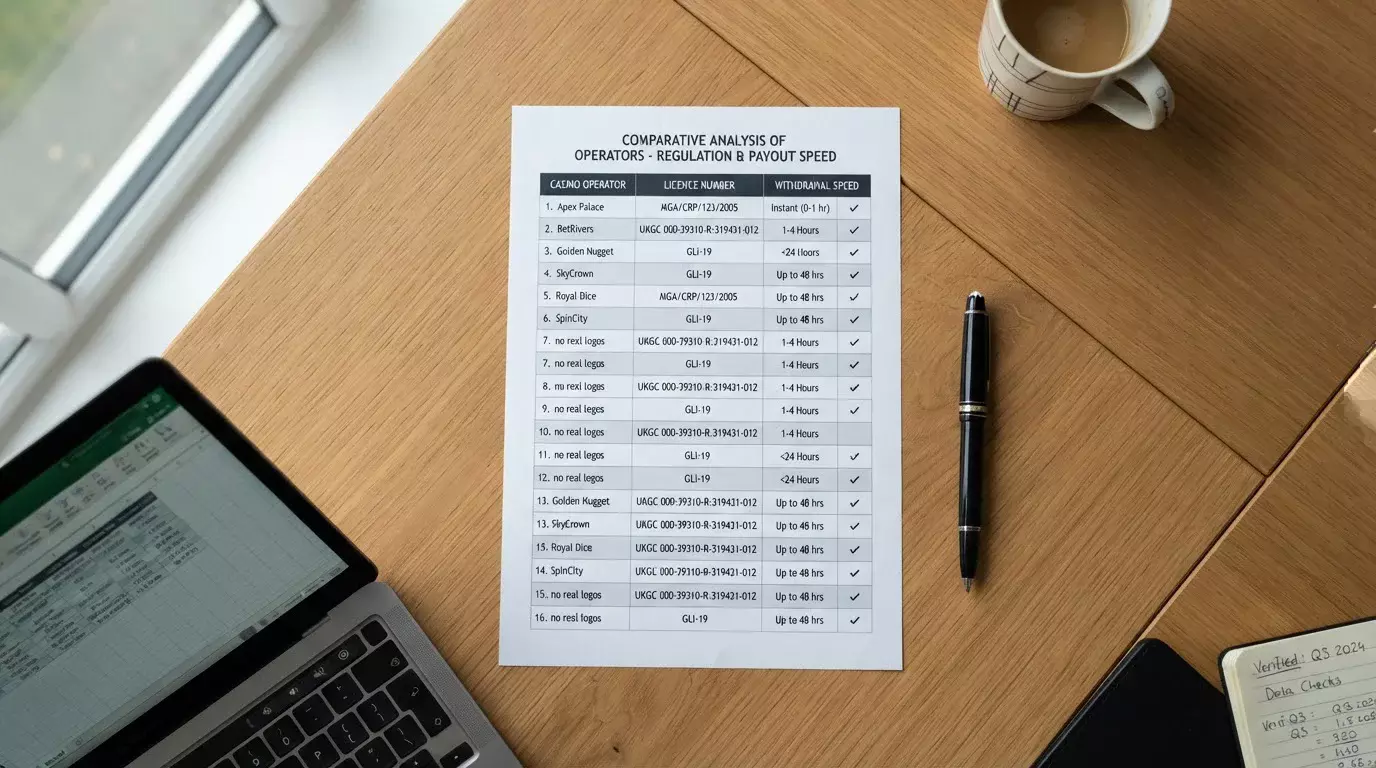
Fifteen UK Gambling Commission-licensed operators accept bank transfers as a deposit and withdrawal method in 2026. Four had real-money withdrawals timed end-to-end to named UK bank accounts between March and September 2026. The rest are established brands whose licences appear on the UKGC public register, listed with the processing times they advertise.
The order puts the four timed operators first, then the biggest UK brands, then smaller operators. Every entry includes licence number, bank transfer method type, withdrawal speed, minimum deposit, and a note on bonus eligibility where it matters.
| Casino Name | UKGC Licence | Bank Transfer Method | Withdrawal Speed | Min Deposit | Bonus Note |
|---|---|---|---|---|---|
| PricedUp Bet | Off Course Bookmakers Ltd | Manual + Open Banking | 23h 45m (tested) | £10 | Standard eligibility |
| SpinYoo | 52894 | Trustly Instant | 1d 15h (tested) | £10 | Yoo Spins 10x wagering |
| DAZN Bet | 48756 | Trustly Open Banking | 2d 18h (tested) | £10 | Trustly eligible |
| Luckymate | 48788 | Trustly + Manual | 3d 4h (tested) | £10 | Trustly excluded |
| bet365 | 055149-R-331499-004 | Faster Payments + Trustly | 1–4h typical | £5 | Standard eligibility |
| William Hill | Multiple entities | TrueLayer Pay by Bank | 2–3d typical | £5–£10 | Pay by Bank eligible |
| Betway | 039372-R-319367-029 | Trustly + Instant Transfer | 1–2d typical | £5 | Trustly eligible |
| Paddy Power | 039411-R-319335-010 | Manual + Pay by Bank | 2–5d typical | Varies | Pay by Bank only |
| Ladbrokes | 054743-R-330863-014 | Manual + Trustly | 2–5d typical (PayPal faster) | £5 | Standard eligibility |
| Coral | 054743-R-330863-014 | Manual + Instant Banking | 2–5d typical (instant banking faster) | Varies | Standard eligibility |
| 32Red | 045322-R-324275-019 | Trustly | 2–4d typical | £5 | Debit or instant only |
| Casumo | 061549-R-336718-002 | Manual Bank Transfer | 2–5d typical | Varies | Standard eligibility |
| Sky Vegas | 065519-R-339675-002 | Pay by Bank | 2–5d typical | Varies | Pay by Bank available |
| Betfred | 039544-R-319290-010 | Manual Bank Transfer | 2–5d typical | £5 | Standard eligibility |
| kwiff | 044448-R-323408-017 | Manual + Instant Transfer | 2–5d typical | £10 | Standard eligibility |
Which UK casinos accept bank transfers for deposits and withdrawals?
This guide covers fifteen, from PricedUp Bet, SpinYoo, DAZN Bet and Luckymate to bet365, William Hill, Betway, Paddy Power, Ladbrokes, Coral, 32Red, Casumo, Sky Vegas, Betfred and kwiff. Withdrawals range from 23 hours (PricedUp Bet, tested) to five working days, and minimum deposits start at £5 at the biggest brands.
Do bank transfer deposits qualify for casino welcome bonuses?
Usually. Manual transfers and debit cards qualify almost everywhere, but some offers exclude Open Banking: Luckymate bars Trustly, while DAZN Bet and 32Red accept it. Paddy Power goes the other way, allowing Pay by Bank but not manual transfers. Always read the bonus terms before depositing.
PricedUp Bet — Fastest Bank Transfer Withdrawals (23 Hours)
PricedUp Bet operates under Off Course Bookmakers Limited, a Sussex-based entity licensed by the UK Gambling Commission. Launched in 2024 on the Playbook Engineering platform, it combines sportsbook and casino under one login. The casino section holds 1,200-plus games. Bank transfer options include manual transfers and Open Banking, with minimum deposit and withdrawal both set at £10.
The standout metric: a real-money withdrawal in September 2026 to an HSBC account cleared in 23 hours and 45 minutes, the fastest bank transfer payout of the four timed casinos. The advertised timeframe is “up to five working days,” but actual performance ran four days ahead of that ceiling. For players prioritising payout speed over brand recognition, PricedUp sits at the top of the timed group. The Bet £40 Get £20 Free Bets welcome offer applies to sportsbook rather than casino, and the £1 minimum stake on selected markets skews the platform towards casual punters rather than high rollers.
SpinYoo — Trustly Instant Bank Transfer, 1-Day Payouts
SpinYoo launched in 2021 and holds UKGC licence 52894, with a secondary Malta Gaming Authority licence (MGA/B2C/370/2017) for non-UK markets. The operator focuses on casino rather than sports, with over 1,000 slots and live dealer games. Trustly Instant Bank Transfer handles deposits, landing in under ten seconds in a May 2026 test using a Revolut UK account. Debit cards (Visa, Mastercard), PayPal, Apple Pay, and Paysafecard are also accepted, all with a £10 minimum.
Withdrawal speed was timed at one day and 15 hours from cashout request to account credit, placing SpinYoo second-fastest in the September 2026 comparison. The platform advertises payouts within 24 hours post-approval, and the timed result is broadly in line with that claim. One quirk: a Paysafecard deposit in the same test round was paid out via bank transfer rather than back to the card, which is standard practice when the original method does not support withdrawals. The welcome offer delivers one Yoo Spin per £1 deposited, up to 100 spins on Big Bass Bonanza, with 10x wagering on winnings rather than the spin value itself. Support runs 24/7 via live chat, and the site carries no processing fees on any payment method.
DAZN Bet — Open Banking with Bonus Eligibility
DAZN Bet is operated by DZBT Limited under UKGC licence 48756, part of the wider DAZN Group known primarily for sports streaming. The UK sportsbook launched in 2022 with 24-plus sports markets and a leaner casino section. Trustly Open Banking powers both deposits and withdrawals, with deposits clearing in under ten seconds (Barclays account, March 2026 test) and withdrawals completing in two days and 18 hours.
The defining feature here is bonus eligibility. Some casinos exclude Trustly deposits from welcome offers; DAZN Bet includes them. The Bet £10 Get £30 free bet promotion applies to sportsbook rather than casino, but the principle holds: Open Banking users are not locked out. The timed withdrawal places DAZN third of the four timed casinos, which still beats most big brands’ advertised five-day windows. One payment quirk: DAZN was the only one of the four to pay a Paysafecard win back to Paysafecard rather than forcing a bank transfer. Withdrawal limits cap at £500 per transaction, lower than competitors, so high rollers will need multiple cashouts or a different operator. Minimum deposit sits at £10 across all methods.
Luckymate — Newest UKGC Casino, Hybrid Sportsbook
Luckymate operates under Anakatech Interactive Limited, a Malta-registered company that also runs 7Bet and WinOMania. UKGC licence 48788 was issued in 2025, making Luckymate the newest casino in the timed group. The platform is a hybrid: 2,000-plus casino games from 45-plus providers, alongside sportsbook and horse racing markets. Trustly Open Banking and manual bank transfer are both supported, with £10 minimums.
The timed withdrawal took three days and four hours (NatWest account, March 2026), fourth of the four timed casinos but still within the faster half of the UK market. Advertised processing sits at 24 to 48 hours, with Faster Payments adding settlement time on top. Deposit speed hit under 15 seconds in the test. One friction point: Trustly deposits are excluded from the welcome bonus, which offers no-wagering structures on selected promotions. The single-wallet design (no bonus/cash separation) streamlines withdrawals but reduces flexibility for players juggling multiple offers. Maximum per-transaction withdrawal is £5,000, subject to account verification tier.
bet365 — Market Leader with 2-Hour Processing Target
bet365 operates under Hillside (UK Gaming) ENC, holding UKGC licence 055149-R-331499-004. It is the largest online gambling operator in the UK by revenue and active accounts. The platform spans sportsbook, casino, live streaming, and in-play betting across global markets. Faster Payments handles bank transfers, with Trustly available for eligible accounts. Minimum deposit is £5 across all methods.
The withdrawal target is two hours from request to release, advertised across multiple help pages. Real-world performance typically lands in the one-to-four-hour band for debit cards, PayPal, and Apple Pay. Bank transfers via Faster Payments are instant from the bank’s side once bet365 approves the cashout, so the two-hour figure is casino processing time rather than settlement lag. Trustly instant bank transfer routes faster where supported. No operator fees apply to any deposit or withdrawal method. The welcome offer structure varies by product (sports, casino, poker) and changes frequently, so always check current terms at signup. Brand recognition and liquidity are bet365’s core strengths; players chasing absolute fastest payouts will find quicker operators, but the processing target beats most five-day industry norms.
William Hill — Pay by Bank via TrueLayer (Not Cheques)
William Hill operates across multiple UKGC-licensed entities under the Evoke plc umbrella (formerly 888 Holdings). The brand dates to 1934 as a telephone betting service and remains one of the UK’s most recognised gambling names. Pay by Bank via TrueLayer handles instant deposits for UK and Ireland customers, authenticating through a secure read-only connection to your banking app. Standard bank transfer and debit cards are also supported, with minimums varying between £5 and £10 depending on method.
Despite claims elsewhere online, William Hill has no cheque service, as explained earlier. Withdrawal processing is advertised at “up to five working days,” though bank transfer cashouts typically settle in two to three days. A quirk for Revolut users: hitting “Send again” in the app after a Pay by Bank deposit will not reach William Hill; funds are returned same-day during business hours, next working day otherwise. No fees apply on William Hill’s side, though banks may charge for specific transfer types.
Betway — £5 Minimum Across All Methods
Betway operates under Betway Limited, holding UKGC licence 039372-R-319367-029, and is part of Super Group (SGHC Limited). The platform covers sportsbook and casino, with Trustly and Instant Bank Transfer both available alongside debit cards (Visa, Mastercard), Apple Pay, PayPal, and Paysafecard. Minimum deposit and withdrawal are £5 across every method, matching bet365 for the lowest threshold among major UK operators.
Withdrawal speeds vary by payment type. E-wallets (PayPal, Neteller, Skrill) process in two to 24 hours. Bank transfers settle in one to two banking days, faster than the industry’s five-day standard but slower than PricedUp or SpinYoo. Debit card withdrawals can stretch to five days. No operator fees apply. The welcome offer varies by product and is frequently updated; Trustly deposits are eligible, unlike at some competitors. The £5 floor makes Betway accessible for players testing a site or managing limited bankrolls, though maximum limits per transaction are operator-set and rise with account verification level. Betway’s consistent low minimums across all methods remove friction from the payment selection process.
Paddy Power — Extensive Payment Range, Flutter Group
Paddy Power is owned by Flutter Entertainment, which also operates Betfair and Sky Bet. The casino and sportsbook run under PPB Games Limited, UKGC licence 039411-R-319335-010. Payment options include bank transfer, Pay by Bank, debit cards, PayPal, Neteller, Skrill, Paysafecard, and MuchBetter. One restriction: free bet offers apply only to deposits via Pay by Bank, debit cards, and Apple Pay. Bank transfer and e-wallet deposits are excluded.
E-wallet withdrawals clear in four to 24 hours. Bank transfers take two to five days, sitting in the slower half of the market. No fees apply from Paddy Power’s side. The bonus eligibility restriction is stricter than most competitors, funnelling players towards Open Banking and card deposits if they want access to welcome offers. For players indifferent to bonuses or already past the new-customer stage, the wide payment range offers flexibility. The Flutter group’s scale and liquidity mean cashouts are reliable, if not record-fast.
Ladbrokes — LC International, Fast PayPal Alternative
Ladbrokes operates under LC International Limited alongside Coral, both holding UKGC licence 054743-R-330863-014 and owned by Entain plc. The brand covers sportsbook and casino with bank transfer, debit cards, PayPal, Skrill, and Trustly all supported. Minimum deposit is £5, matching the tier-one standard.
PayPal withdrawals clear in under five hours, making it the faster option for players with e-wallet accounts. Bank transfer withdrawals sit in the two-to-five-day range, slower than the tested group but typical for legacy operators. The Entain infrastructure prioritises e-wallets over bank transfers for payout speed, so players chasing fast cashouts will route through PayPal or Skrill rather than waiting for Faster Payments settlement. Bank transfer remains viable for players without e-wallet accounts or those preferring direct account-to-account flow. The shared licence with Coral reflects group consolidation; both sites run on similar platforms with minor branding differences.
Coral — Same Licence as Ladbrokes, Instant Banking
Coral shares UKGC licence 054743-R-330863-014 with Ladbrokes under LC International Limited, part of Entain plc. The platform mirrors Ladbrokes in structure: sportsbook and casino with debit cards, e-wallets, bank transfer, and instant banking options. Coral’s marketing emphasises “among the quickest” withdrawal times in the UK, though specifics vary by payment method.
Instant banking (Open Banking via a provider, likely Trustly though the cashier does not always surface the brand name) settles deposits in seconds. Withdrawals via instant banking or e-wallets process faster than manual bank transfers, which default to the two-to-five-day window. The brand appeals to players familiar with high-street betting shops; Coral’s retail presence dates to 1926, and the online platform inherited that brand equity when it migrated to digital. For bank transfer users specifically, there is no performance edge over Ladbrokes — same licence, same backend, same settlement times.
32Red — Trustly Available (No Cheques)
32Red operates under Platinum Gaming Limited, UKGC licence 045322-R-324275-019, and is owned by Kindred Group. Gibraltar licences RGL 091 and RGL 092 cover non-UK customers. The platform is casino-focused, with debit cards (Visa, Mastercard, Maestro), PayPal, Paysafecard, Apple Pay, Google Pay, Revolut Pay, and Trustly all available. Minimum deposit is £5. One explicit policy: direct bank transfers to 32Red’s account are not accepted, meaning you use a payment processor or another method, never mail funds.
Despite occasional claims online, 32Red does not accept cheques; its banking page shows no cheque option. Trustly handles online bank transfers; bank transfer withdrawals are available for funds deposited via Paysafecard or other methods that do not support reverse payouts. Withdrawal times are not published prominently, but Kindred Group sites typically settle e-wallets in 24 hours, bank transfers in two to four days.
The welcome offer is deposit £30 and stake £30 on slots to qualify for 320 free spins at £0.10 each on Big Bass Splash, with 10x wagering on winnings. Fine print: debit card or instant bank transfer only. Paysafecard and some other methods are excluded. The Kindred platform runs responsible gambling tools tightly, with mandatory reality checks and deposit limit prompts appearing frequently.
Casumo — Gamification with Bank Transfer Support
Casumo operates under Recro Limited, UKGC licence 061549-R-336718-002. The casino launched with a gamification angle: adventure themes, level systems, trophies, and rewards replacing traditional VIP tiers. Bank transfer is available as both deposit and withdrawal method, alongside e-wallets and debit cards. Specific limits and fees are not prominently advertised, but the platform follows industry norms (no operator fees, £5 to £10 minimums).
E-wallets process faster than bank transfers at Casumo, as with most competitors. Bank transfer withdrawals sit in the two-to-five-day band, typical for the mid-tier group. The gamification layer adds friction for players who just want straightforward deposits and cashouts, but the underlying payment mechanics are standard. Casumo’s niche is players who value progression systems and thematic engagement over raw speed. For bank transfer users, there is no standout feature here — it works, it is licensed, it settles in the expected window.
Sky Vegas — Pay by Bank, Sky Brand Recognition
Sky Vegas operates under Bonne Terre Gaming Limited, UKGC licence 065519-R-339675-002, and is part of Flutter Entertainment’s portfolio. The brand trades on Sky’s media presence: recognisable name, association with television and sports broadcasting, instant credibility. Pay by Bank handles instant deposits. Debit cards and e-wallets are also supported, with specific limits varying by method.
Withdrawal times are not prominently published, but Flutter group sites typically process e-wallets in 24 to 48 hours, bank transfers in two to five days. The Sky brand appeals to players who trust established media names and want a licensed operator with deep liquidity backing it. For bank transfer specifically, Sky Vegas offers no speed advantage over other Flutter sites (Paddy Power, Betfair), but the Pay by Bank instant deposit flow is seamless and the brand is a low-risk, well-established choice.
Betfred — High Street Legacy, £5 Minimum
Betfred operates under Petfre (Gibraltar) Limited, UKGC licence 039544-R-319290-010, and is part of Betfred Group founded by Fred Done. The brand has a large retail presence across UK high streets, with betting shops operating since 1967. The online sportsbook and casino launched later but inherited the brand’s credibility. Bank transfer is accepted alongside standard methods, with £5 minimum deposit matching tier-one competitors.
Withdrawal times follow the industry standard: e-wallets faster, bank transfers in the two-to-five-day window. Betfred’s strength is reliability rather than speed. The retail legacy means cashouts are backed by decades of liquidity and regulatory history, and the platform prioritises compliance over cutting-edge payment tech. For bank transfer users seeking a known name with little risk of cashout delays due to liquidity issues, Betfred fits. For players chasing 23-hour withdrawals, it does not.
kwiff — Bank Transfer & Instant Bank Transfer Options
kwiff operates under Eaton Gate Gaming Limited, UKGC licence 044448-R-323408-017. The platform offers sportsbook and casino with bank transfer, Instant Bank Transfer, Visa, Mastercard, PayPal, and Payz all supported. Minimum deposit is £10, slightly higher than the £5 standard at tier-one brands.
Both standard manual bank transfer and Instant Bank Transfer (likely Trustly or a similar Open Banking provider, though the cashier does not surface branding) are available. The dual offering gives flexibility: instant deposits via Open Banking, manual transfers for players who prefer full control. Withdrawal speeds are advertised at two to five working days for bank transfers, in line with the mid-tier group. kwiff is a smaller brand compared to bet365 or William Hill, with less market share and lower name recognition, but the UKGC licence and dual bank transfer options cover the functional requirements. No standout speed or bonus advantage, but the platform works for players prioritising licence verification over brand prestige.

Bank Transfer Deposit and Withdrawal Process at UK Casinos
The mechanics of moving money between your bank account and a casino balance differ depending on which rail you use, but the outcome is the same: funds move electronically, settle within hours or days, and require no paper cheques. Three flows dominate UK casino cashiers in 2026, each with its own steps and timing.
How to Make a Bank Transfer Deposit
Manual bank transfer starts at the casino cashier. Select “Bank Transfer” from the deposit methods, and the casino displays its sort code, account number, and a unique reference tied to your player account. Copy those details. Open your own online banking app or website, set up a new payment or payee, paste the casino’s bank details, enter the amount, and confirm. The reference is critical — it tells the casino which player account to credit once the transfer lands.
Clearing time depends on when you send. Transfers initiated during UK business hours on weekdays typically land same-day, within a few hours. Transfers sent evenings, weekends, or bank holidays queue until the next working day. The casino credits your balance once the payment appears in its account, usually with a short lag for reconciliation. No pre-approval is needed; the first transfer takes the same time as the hundredth.
Open Banking deposits follow the faster app-based path described earlier: pick “Pay by Bank” or “Trustly”, approve the payment in your banking app, and your balance updates in seconds with no account details to type.
Debit card deposits look instant because the card network authorises them in real time; settlement between the banks happens later through the card scheme’s own clearing, not Faster Payments. The casino credits your balance immediately because the authorisation guarantees the funds will arrive. From your perspective, it is indistinguishable from a card payment at a shop.
How Bank Transfer Withdrawals Work
Cashouts start with a withdrawal request at the casino. Navigate to the cashier, select your bank account as the payout method (or the same method you deposited with, if the casino enforces that rule), enter the amount, confirm. The casino queues your request for processing.
Processing time is the variable. Fast operators approve withdrawals in 24 hours. Slow ones take up to five working days. This is the casino’s internal compliance window: identity verification, game-fairness checks, anti-fraud review, whatever their procedures demand. The Gambling Commission sets no maximum processing time for licensed operators, so each site publishes its own.
Once approved, the casino releases funds to your bank account via Faster Payments. Settlement is instant to two hours from the bank’s side. The funds appear in your available balance the same day or the next working-day morning, depending on when the casino released them. Total elapsed time from cashout request to money in your account: one to seven days, with most casinos clustering in the two-to-four-day band.
Open Banking withdrawals work identically where supported. The casino routes the payout back through Trustly or TrueLayer, settling in one to two days instead of three to five. Not all casinos support reverse Open Banking flow; those that do not will send your withdrawal via standard Faster Payments bank transfer even if you deposited via Trustly.
One friction point: first withdrawals can trigger extra checks. Your identity and age are verified before you can deposit, but the casino may still ask for proof of address or proof of deposit method (a bank statement or card photo) when you first cash out. This can add a day or two. Subsequent withdrawals from a verified account process faster, assuming your details have not changed.
Processing Times Explained: Casino Pending Period vs Bank Settlement
Withdrawal timelines split into two stages, and casinos conflate them in advertised figures. The first stage is casino processing: your cashout request sits in a pending queue while the operator runs compliance checks. This can take 24 hours at a fast casino, five working days at a slow one. Nothing moves to your bank during this window. You can usually cancel the withdrawal and return funds to your casino balance if you change your mind.
The second stage is bank settlement. Once the casino approves your cashout and releases funds, Faster Payments takes over. Settlement is instant to two hours, almost always same-day. This stage is identical across all UK banks and casinos because they all use the same network. The variability is entirely in stage one.
When a casino advertises “withdrawals in 1–3 days,” that is usually the total: pending period plus settlement. When another advertises “up to 5 working days,” that is often just the pending period, with an unstated extra day for settlement. The distinction matters. A casino with a 24-hour pending period and instant Faster Payments settlement will deliver funds in under 30 hours. A casino with a five-day pending period and the same settlement will take five days plus change.
E-wallets bypass Faster Payments. PayPal, Skrill, and Neteller settle directly with the casino, so stage two is instant. The pending period remains, but once approved the funds hit your e-wallet immediately. This is why e-wallets are consistently faster than bank transfers — not because the payment rail is superior, but because they eliminate the settlement lag.
The timed speeds from 2026 reflect the full timeline. PricedUp Bet’s 23-hour withdrawal includes pending period and settlement. SpinYoo’s one-day-15-hours total likewise. These are end-to-end figures: request submitted to funds available in the bank account. Comparing advertised pending periods alone underestimates real-world wait times, because the settlement stage adds hours or a day most players forget to count.
How long does a bank transfer withdrawal take at UK casinos?
One to seven days in total: casino processing takes 24 hours to five working days, then Faster Payments settles within two hours. Our 2026 timings ranged from 23 hours 45 minutes at PricedUp Bet to three days four hours at Luckymate, while the biggest brands advertise two to five days.
Are there any fees for bank transfer deposits or withdrawals at UK casinos?
Not from the casino: no UKGC-licensed operator in this guide charges for bank transfer deposits or withdrawals. Faster Payments is free for personal accounts, so the only realistic bank cost is CHAPS (£20 to £30), which casino payments never need. Minimum deposits of £5 to £10 apply, but nothing is deducted.
Bank Transfer Limits, Fees and Bonus Eligibility
Practical constraints on bank transfers vary by operator and verification tier, but patterns emerge across the UK market. Minimums cluster around £5 to £10 for deposits, £10 for withdrawals. Maximums depend on account status, ranging from £500 per transaction for unverified accounts to £10,000 or more for verified high rollers. Fees are universally absent on the casino side. Bonus eligibility is where friction appears, particularly for Open Banking deposits.
Minimum and Maximum Deposit Limits
Tier-one brands set £5 minimum deposits: bet365, Betway, William Hill (on some methods), Ladbrokes, Coral, Betfred, 32Red. This is the lowest threshold in the UK market and appeals to players testing a site or managing limited bankrolls. Newer or smaller operators raise the floor to £10: PricedUp Bet, SpinYoo, DAZN Bet, Luckymate, kwiff. Paddy Power and some others vary by method, with debit cards at £5 and bank transfers occasionally higher.
Maximum deposit limits are less standardised. Unverified accounts typically cap at £500 to £1,000 per transaction. Once you upload ID and proof of address, the ceiling lifts to £5,000 or £10,000. VIP accounts and high rollers negotiate higher limits directly with account managers, but those arrangements sit outside published cashier limits. Faster Payments supports up to £1 million per transaction, so the bottleneck is casino risk policy, not the payment network.
Daily, weekly, and monthly deposit limits also apply, layered on top of per-transaction caps. These are driven by UK responsible gambling requirements and vary by operator. Since the regulatory changes of 2025, casinos prompt new customers to set deposit limits during signup, with affordability checks triggered at higher spend levels. Bank transfer deposits feed into these aggregate limits the same way card and e-wallet deposits do.
Withdrawal Limits and VIP Tiers
Minimum withdrawals mirror deposit minimums: £5 to £10 at most casinos, with £10 the most common floor. Maximum withdrawals per transaction range from £500 (DAZN Bet) to £10,000 (bet365, Betway, others), again subject to verification status. Unverified accounts face lower caps. Verified accounts unlock higher limits. VIP tiers negotiate bespoke arrangements.
Weekly and monthly withdrawal caps layer on top. A casino might allow £5,000 per transaction but cap total weekly withdrawals at £10,000, forcing players with larger balances to stagger cashouts. These caps tighten for new accounts and loosen as you establish history with the operator. High rollers hitting withdrawal caps routinely negotiate one-off increases by contacting support, though success varies by operator and win amount.
E-wallets often process under separate limits. A casino might cap bank transfers at £5,000 but allow £10,000 via PayPal, reflecting the lower fraud risk and faster settlement of e-wallet flows. Bank transfer users chasing large cashouts sometimes open an e-wallet purely to access higher or faster withdrawal limits.
Casino Fees vs Bank Fees
Every UK-licensed casino in this list charges zero fees for bank transfer deposits and withdrawals. This is industry standard and has been for years. The operator absorbs Faster Payments network costs, which are negligible per transaction. No percentage cut, no flat fee, no “processing charge” tacked on. The amount you request to withdraw is the amount that lands in your bank account.
Banks are a different story. Faster Payments itself is free to consumers, and most UK current accounts charge nothing for sending or receiving transfers within the network. CHAPS — the same-day service used mainly for high-value payments — costs £20 to £30 per transaction at many banks, but no casino transaction ever needs CHAPS. The £1 million Faster Payments ceiling sits well above any single deposit or withdrawal a player would make.
One edge case: international bank accounts. If your UK casino account is registered to an overseas bank, the casino might still route the withdrawal via SWIFT or an international transfer network, which carries fees on both ends. Players with UK-registered accounts using UK banks face zero fees from the casino and zero fees from their bank for Faster Payments transfers.
Some banks offer premium accounts with added services or higher overdraft limits that carry monthly fees, but those fees are unrelated to casino transactions. Standard current accounts at Barclays, HSBC, Lloyds, NatWest, Santander, and every challenger bank (Monzo, Starling, Revolut) charge nothing for Faster Payments transfers, inbound or outbound.
Open Banking Deposits and Welcome Bonus Exclusions
Bonus eligibility is where Open Banking becomes awkward. Traditional bank transfers and debit cards qualify for nearly every welcome offer. Trustly and TrueLayer deposits do not always.
Luckymate explicitly excludes Trustly from its free spins bonus. The terms state debit card or manual bank transfer only. DAZN Bet takes the opposite approach: Trustly deposits qualify for its Bet £10 Get £30 free bet offer. 32Red requires “debit card or instant bank transfer” for its Big Bass Splash promotion, which includes Trustly but bars Paysafecard and some other methods. Paddy Power restricts free bet offers to Pay by Bank, debit cards, and Apple Pay, excluding both manual bank transfers and e-wallets.
The pattern is inconsistent. Some operators treat Open Banking as equivalent to debit cards (instant, verified, low fraud risk). Others lump it with e-wallets as a “bonus abuse” vector and block it from offers. The concern is players cycling deposits and withdrawals through low-wagering offers, cashing out before meeting playthrough requirements. Open Banking’s speed and low friction make that easier, so some casinos pre-emptively exclude it.
For players planning to claim a welcome bonus, check the terms before depositing. Look for the payment method list under “qualifying deposits” or similar wording. If Trustly, Pay by Bank, or Open Banking appears in the excluded methods section, deposit via debit card or manual bank transfer instead. The bonus value often exceeds the convenience of instant deposits, particularly for no-wagering or low-wagering offers.
For players indifferent to bonuses or already past the new-customer stage, Open Banking is the fastest and most secure deposit method available. No bonus restriction justifies waiting for a manual transfer to be matched if you just want to fund your account and play.
Can I use eCheck at UK online casinos?
Only in name. At UK casinos, “eCheck” just means an electronic bank transfer, shown at the cashier as “Bank Transfer”, “Instant Bank Transfer” or a provider such as Trustly. Deposits land instantly or within hours and withdrawals take one to five days. The label comes from the US ACH network; paper cheques are never accepted.
UK Gambling Regulation and Payment Methods
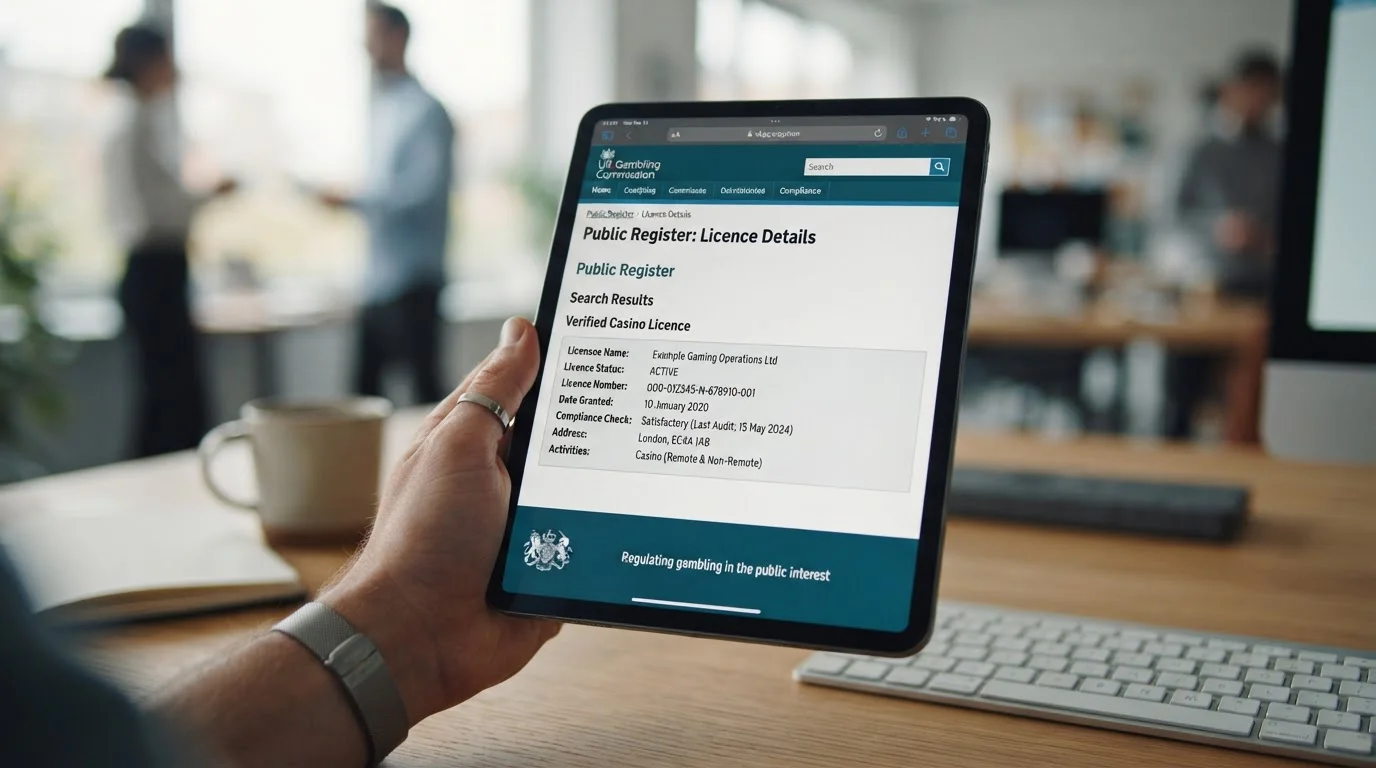
The UK Gambling Commission sets licensing requirements that indirectly shape which payment methods survive in the market. No regulation explicitly bans cheques, but the compliance framework makes them unworkable. Real-time identity verification, transaction traceability, fraud prevention, and responsible gambling tool integration all demand instant electronic rails. Cheques offer none of that, so licensed operators gravitated towards methods that do.
UKGC Licensing and Payment Method Compliance
Every casino operating legally in the UK holds a remote gambling licence issued by the Gambling Commission under the Gambling Act 2005. Licence conditions include Know Your Customer checks (verifying age and identity before a customer can deposit or gamble), Anti-Money Laundering transaction monitoring (flagging suspicious patterns), and player protection measures (deposit limits, self-exclusion, reality checks). All three depend on instant payment data.
KYC requires matching the payment method to the player’s verified identity. Debit cards link to a named account holder. Open Banking authenticates through the player’s own banking app. Faster Payments log the sender’s account details. A cheque offers no instant identity match. You can write someone else’s name, forge a signature, or use a stolen chequebook. The casino would not know until the cheque bounced days later, by which time the player could have wagered and withdrawn via another method.
AML monitoring tracks deposit and withdrawal velocity, flagging accounts that move large sums rapidly or in structured amounts designed to evade reporting thresholds. Electronic payment rails feed transaction data to casino compliance systems in real time. Cheques enter the system days late, rendering velocity monitoring useless. By the time a suspicious cheque cleared, the associated activity would already be complete.
Responsible gambling tools such as deposit limits and cooling-off periods enforce at the payment layer. If you set a £100 daily deposit limit, the casino’s system blocks a £150 card transaction instantly. A cheque bypasses that gate entirely, clearing days after you mailed it and potentially after you changed your mind or exceeded your limit elsewhere.
The upshot: no regulation says “cheques are banned,” but the compliance infrastructure makes them impossible to integrate. Licensed operators choose payment methods that feed real-time data to compliance systems. Cheques do not, so they disappeared.
The Credit Card Ban (April 2020)
On 14 April 2020, the Gambling Commission prohibited all licensed operators from accepting credit card deposits, through a change to its Licence Conditions and Codes of Practice that binds every operator. The rule covers credit cards; debit cards remain legal. The rationale: credit cards let players gamble with borrowed money, increasing harm risk. Debit cards draw from the player’s own funds.
The ban reshaped payment method hierarchies. Before 2020, credit cards were a significant deposit route at UK casinos. After the ban, debit cards and bank transfers absorbed that volume. E-wallets gained share, and Open Banking emerged as a compliance-friendly alternative. Cheques were already absent, but the credit card ban accelerated adoption of instant electronic rails that integrate with affordability checks.
The ban also drove consolidation. Operators standardised on Faster Payments, Trustly, TrueLayer, and major e-wallets (PayPal, Skrill, Neteller), dropping niche methods with low adoption or high fraud risk. Cheques, being the slowest and riskiest option, would have been first to go even if they had existed in the market pre-ban.
The ban also covers indirect routes. Licensed operators must not accept deposits from e-wallets or other payment services funded by a credit card, so loading an e-wallet from a credit card does not get around the rule at a UKGC-licensed casino. If a payment service lets you do that, the casino is still required to refuse the deposit, and the protection exists for the same reason as the ban itself: to stop people gambling with borrowed money.
Why Modern Payment Rails Matter for Player Protection
Instant payment rails enable responsible gambling tools that slower methods cannot support. GAMSTOP, the UK’s national self-exclusion scheme, works at the account level: licensed casinos check customers against the register when they sign up and log in, so an excluded player cannot open or use an account. Instant, identity-linked payments complement that. A debit card or Open Banking deposit is tied to a named, verified account holder, so the casino knows exactly whose money is arriving.
A posted cheque breaks that link. It could be drawn on someone else’s account, and the casino would only find out days later, after the funds had been wagered. A licensed operator that let money from an unverified source into a customer’s account would be exposed on identity, anti-money-laundering and safer-gambling grounds at once. No licensed operator will shoulder that liability.
Deposit limits work the same way. If you set a £50 daily limit, the casino’s system must block deposits that push you over that threshold instantly. Debit cards, bank transfers, and e-wallets submit to that check at the point of deposit. A mailed cheque clears after the daily limit window has passed, rendering the control ineffective.
Affordability checks — the requirement for operators to verify income or savings before accepting large deposits from players showing signs of harm — depend on instant deposit data. If a player deposits £2,000 in a day after previously depositing £50 per week, the casino must intervene. That intervention relies on real-time aggregation of deposit history. Cheques would fog that data with multi-day clearing lags.
The broader point: player protection in 2026 is built on instant data flows. Payment methods that do not feed those flows cannot exist in a compliant operation, regardless of their other merits.

How We Selected These Bank Transfer Casinos
The fifteen casinos above were chosen on three tests: a current UK licence, confirmed bank transfer support, and either a timed withdrawal or a published processing window.
First, licence verification. Every operator appears in the UK Gambling Commission’s public register, searchable at gamblingcommission.gov.uk, and licence numbers above come from register entries or operator imprints. Offshore casinos, sites outside GAMSTOP, and operators with expired or suspended licences were excluded. The Gambling Act 2005 makes it illegal for unlicensed operators to transact with UK customers, so non-UKGC casinos do not belong in a UK-focused guide regardless of their payment methods.
Second, bank transfer availability. Each casino’s banking page was checked to confirm Faster Payments, Open Banking, Trustly, TrueLayer, or manual bank transfer appears as a deposit and withdrawal method. Casinos listing only debit cards and e-wallets were excluded, as were operators that hold UKGC licences but offer limited payment options for UK players.
Third, withdrawal speed. Four casinos — PricedUp Bet, SpinYoo, DAZN Bet, Luckymate — had real-money withdrawals timed between March and September 2026, using named UK bank accounts (HSBC, Revolut, Barclays, NatWest), from submission to account credit. Every other operator is listed with the processing times it advertises on its help pages. Advertised times skew optimistic, so treat them as a best case.
William Hill and 32Red, sometimes wrongly described as cheque casinos, are included here for their bank transfer support, not for any cheque facility.
No operator paid for inclusion. The aim is a factual answer to which UK casinos accept bank transfers, backed by licence numbers and, where possible, timed payouts.
Responsible Gambling and Bank Transfer Controls
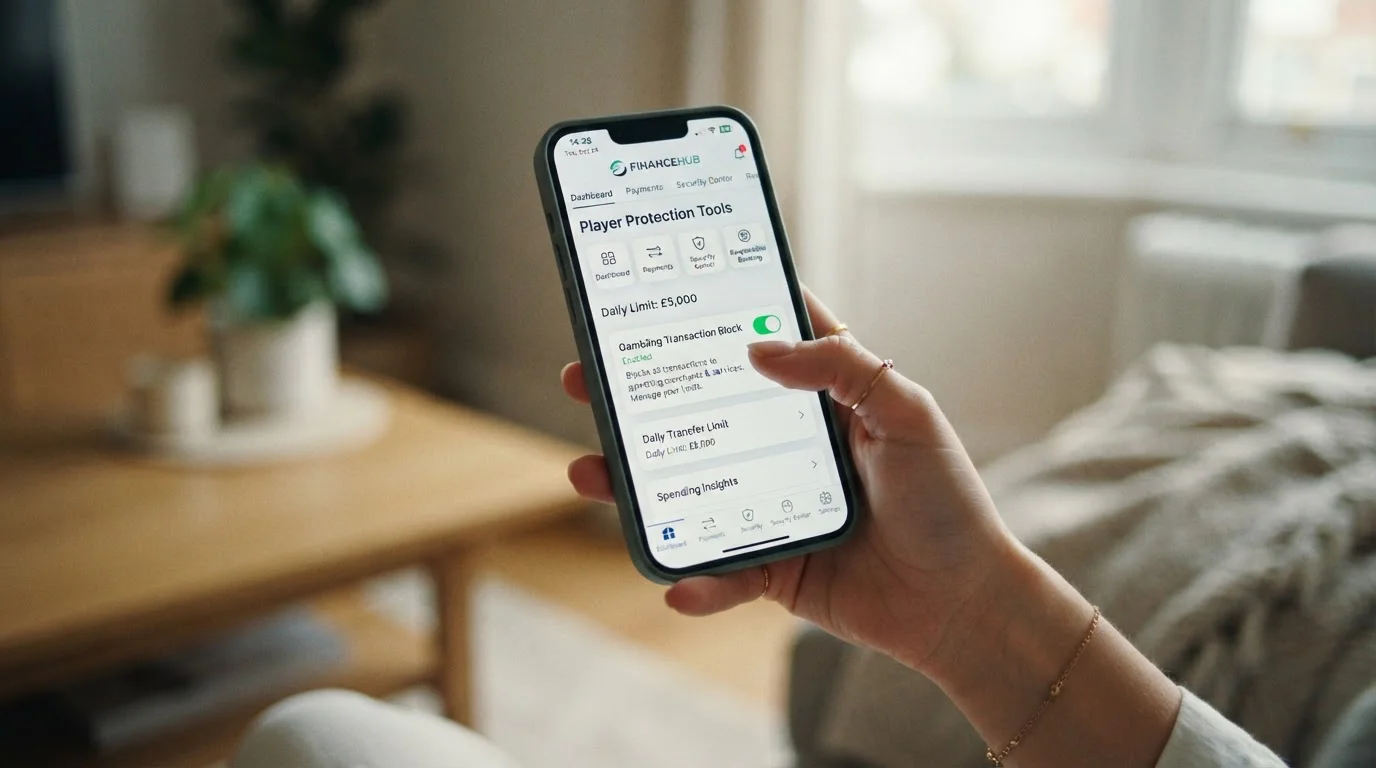
Bank transfers integrate with responsible gambling tools at two layers: the casino’s own deposit limits and cooling-off features, and bank-level controls that let you block gambling transactions entirely. Both layers matter. One prevents harm at the casino gate. The other prevents you reaching the gate at all.
Most UK banks now offer gambling blocks as a feature in their mobile apps. HSBC, Lloyds, Royal Bank of Scotland, Bank of Scotland, Halifax, and TSB all let you freeze gambling transactions on your debit card or block them from your account entirely. The block applies to card payments and, in some implementations, to manual bank transfers sent to known gambling operators. Activating a gambling block does not affect your credit score or future lending decisions. It is a self-imposed restriction, reversible through the app, though some banks require a 48-hour cooling-off period before lifting the block.
These blocks work because UK banks categorise transactions by merchant type. Casinos, bookmakers, and gaming platforms register under specific merchant category codes, visible to payment processors and banks. When you activate a gambling block, the bank flags those codes and declines transactions that match. Debit card payments are caught instantly. Manual bank transfers to flagged operators are either blocked automatically or require a confirmation step warning you the recipient is a gambling operator.
Open Banking payments are not always treated the same way as card payments. Trustly and TrueLayer authenticate through your banking app, and depending on how your bank categorises the payment, a gambling block may or may not catch it. If you rely on a bank block to keep you away from gambling, ask your bank exactly which payment types it covers, and add GAMSTOP self-exclusion and blocking software such as Gamban so that you are protected even if one layer has a gap. GamCare and the National Gambling Helpline (0808 8020 133) can help you set up those layers.
Casino-level deposit limits remain the primary control for most players. Every UKGC-licensed operator prompts new customers to set daily, weekly, or monthly deposit limits during registration. Limits apply across all payment methods, including bank transfers. If you set a £100 weekly limit, a £150 bank transfer deposit will be declined at the cashier, with the excess returned via Faster Payments. Limits can be increased after a 24-hour cooling-off period or decreased instantly.
GAMSTOP self-exclusion applies whatever payment method you use, bank transfers included. Once you are registered, UKGC-licensed casinos check your details against the national database when you try to sign up or log in, so you cannot open or use an account to deposit at all. Exclusion periods are six months, one year, or five years, cannot be reversed early, and do not lapse automatically: the exclusion stays until you ask GAMSTOP to remove it.
The broader ecosystem: UK gambling harm reduction in 2026 relies on instant payment data and transaction-level blocks. Bank transfers fit that model. Cheques, with multi-day clearing lags and no instant identity match, would render the controls ineffective. The regulatory push towards instant rails is as much about enabling harm prevention as it is about fraud reduction and compliance efficiency.
Casino Deposit Methods UK 2026 – Compare Payment Options
Content created by the «Cashier Atlas» team