
Casinos That Accept Diners Club UK 2026: Why It's Blocked & Better Alternatives
 Available in GB

Diners Club sits in payment limbo. The April 2020 UK credit card ban ended its acceptance at every casino holding a Gambling Commission licence, and because Diners Club is classified as credit, there is no licensed UK casino where the card can be used for gambling. That is the short answer, and it is unlikely to change: the ban has been reviewed, found to reduce harm, and kept in place.
The longer answer is more useful. If you hold a Diners Club card and want to play at a UK casino, you need a different way to pay, and the good news is that the alternatives are faster, cheaper and better protected than a charge card ever was at a casino cashier. This guide explains exactly why Diners Club is blocked, how the block works at the cashier and at your card issuer, why sites outside UK regulation are not a safe workaround, and which payment methods UK players should use instead—with deposit speeds, withdrawal times and fees for each.
Can I use Diners Club at online casinos in the UK?
Not at UK-licensed casinos. The Gambling Commission banned credit cards, including charge cards such as Diners Club, from 14 April 2020, and the ban remains enforced in 2026. It covers e-wallets funded by credit too, so routing the card through another service changes nothing. Sites licensed elsewhere are not a safe alternative.
Why Diners Club Is Banned at UK-Licensed Casinos

The credit card ban was announced 14 January 2020, took effect 14 April, and has not softened since. Every operator holding a UKGC remote gambling licence is prohibited from processing deposits via credit or charge cards under its Licence Conditions and Codes of Practice. Breach brings fines into seven figures, licence suspension, or revocation. No UKGC casino has tested it.
The April 2020 Credit Card Ban
The Gambling Commission cited evidence that 22 percent of online gamblers using credit cards were classed as problem gamblers. Credit extended spending beyond available cash, pushed losses onto high-interest debt, and turned recreational play into financial harm faster than any other payment method. The ban aimed to cut that link, and operators had three months from the announcement to comply.
Later evaluation of the ban found that it had reduced harm among former credit card users, and the Commission has kept it in place. No reversal is planned. The rule is structural, not temporary.
Why the Ban Covers Diners Club
Yes. Diners Club began as a charge card—balance paid in full monthly, no revolving credit—but for regulatory purposes, charge cards and credit cards are identical. Both extend credit to the cardholder during the billing cycle. The UKGC does not distinguish between payment structures when the mechanism is borrowed money funding gambling. The ban applies to Visa, Mastercard, American Express, Diners Club, and any other card type classified as credit by the issuer or payment network.
That classification is what matters. A Diners Club card from a UK bank is declined at UKGC casinos the same way a Barclaycard is. The merchant category code flags the transaction as gambling, the card network checks the product type, and the payment is refused before reaching the casino. Players never see an error message blaming Diners Club specifically—the block happens silently at the payment gateway.
How the Block Works at the Cashier
Most UK casino cashiers no longer list Diners Club at all, so the first sign of the ban is simply its absence from the payment menu. Where a cashier shows a generic “Card” option, the payment processor reads the first digits of the card number—the bank identification number—before the transaction goes any further. Those digits tell the processor which network the card belongs to and whether it is a credit, debit or prepaid product. Diners Club numbers are recognised as a charge product and refused at that stage.
The casino has no discretion here. Licensed operators configure their processors to reject credit products automatically, and the processors themselves are contracted to apply the same rule. A customer service agent cannot override it, a VIP manager cannot whitelist it, and no bonus or promotion changes it. If a UKGC cashier ever appeared to accept a credit or charge card, the correct response would be to stop and report it to the operator, because the transaction would be a breach of the operator’s licence.
What the Ban Means for E-Wallets and Other Workarounds
The 2020 rules were written to close the obvious gaps. Licensed operators must not accept credit card funds that arrive through an intermediary either, so an e-wallet balance topped up with Diners Club cannot be used to gamble at a UKGC casino. E-wallet providers that serve gambling merchants track how a balance was funded and decline gambling payments that trace back to credit. The same logic applies to any service that would simply relabel a credit payment as something else.
This is deliberate. The aim of the ban is to stop people gambling with borrowed money, and a rule that could be sidestepped by adding one extra step would not achieve that. If your plan for using Diners Club involves a workaround, the honest conclusion is that the card is the wrong tool for gambling, and a debit-based method is the right one.
Can I use a Diners Club card at a casino licensed outside the UK?
Some may still list it, but they are no safe substitute. Sites without a UKGC licence sit outside GAMSTOP, with no approved dispute resolution or mandatory safer-gambling tools. A charge card also exposes you to the harm the ban targets, and many UK issuers decline or surcharge gambling on credit anywhere.
Sites Outside UK Regulation: A Warning

You may come across casino listings that still show Diners Club alongside UK-facing promotions. Before depositing anywhere, check the licence details in the site footer against the public register at gamblingcommission.gov.uk. If the operator and the domain are not listed there with an active licence, the site is not regulated in Great Britain.
That matters in practical ways. A UKGC licence brings a clear statement of how well your balance is protected if the operator fails, a route to independent alternative dispute resolution if a withdrawal is refused, mandatory identity and age checks that also protect your account from misuse, deposit limits, reality checks, time-outs and integration with GAMSTOP. Sites without a UKGC licence offer none of that under UK rules, and any complaint has to go through a foreign regulator, if there is one at all.
If you have self-excluded through GAMSTOP, the exclusion exists to protect you, and sites outside the scheme are not a way around it. Free, confidential support is available from GamCare and the National Gambling Helpline on 0808 8020 133, and GAMSTOP can answer questions about your registration. If gambling has started to involve credit—cards, overdrafts or loans—that is a recognised warning sign, and talking to one of these services early is far easier than dealing with the debt later.
Diners Club Fees and Card-Issuer Rules

Even before the UKGC ban, credit and charge cards were an expensive way to pay for gambling. Card issuers treat gambling differently from ordinary purchases, and that has not changed. Understanding how your issuer handles these transactions explains why Diners Club was never a good fit for casino payments, and why the alternatives below cost less.
Cash Advance Classification
Cash advances are credit card transactions classified as cash withdrawals rather than purchases. Gambling transactions are often classified as cash advances because they resemble cash access more than goods purchases. Card issuers charge 3–5 percent fees on cash advances, begin accruing interest immediately (no grace period), and apply higher interest rates than purchase transactions. A £500 gambling payment classified as a cash advance costs £15–£25 in immediate fees plus daily interest until the card balance is paid.
Whether a gambling transaction is classified as a cash advance depends on the issuer. The classification is often only visible when the statement arrives, labelled “cash advance” with the extra fees attached. Debit cards are never cash advances because they draw from available funds, not credit. E-wallets funded from a bank account and direct bank transfers are not cash advances either.
Issuer Gambling Blocks
UK banks increasingly block gambling transactions on credit products by default to follow responsible gambling guidance and to reduce card-debt-related harm. Those blocks are automatic, silent, and often apply to both domestic and international gambling merchants. The decline message rarely says “gambling block”; the payment simply fails.
Many banks also let customers switch on a gambling block for their debit cards in the banking app. If you set one up yourself, it is a safer-gambling tool and it is doing its job—several banks deliberately add a cooling-off delay before it can be lifted, precisely so the decision is not made in the moment. If a block is causing you frustration, that is worth noticing rather than working around.
What is the difference between Diners Club and a regular credit card?
Diners Club works as a charge card, with the balance cleared in full each month, while Visa and Mastercard credit cards allow revolving balances. Regulators treat both as credit because both lend you money during the billing cycle, so the UKGC ban covers both, and Diners Club is absent from UK-licensed casinos.
Will my Diners Club issuer charge extra for gambling transactions?
Often, yes. Many issuers treat gambling payments as cash advances, adding a 3–5 percent fee and higher interest from day one, while others decline gambling merchant codes on credit products outright. Since no UKGC casino accepts the card anyway, a debit-based method avoids that risk completely.
Best Alternatives to Diners Club for UK Casino Players
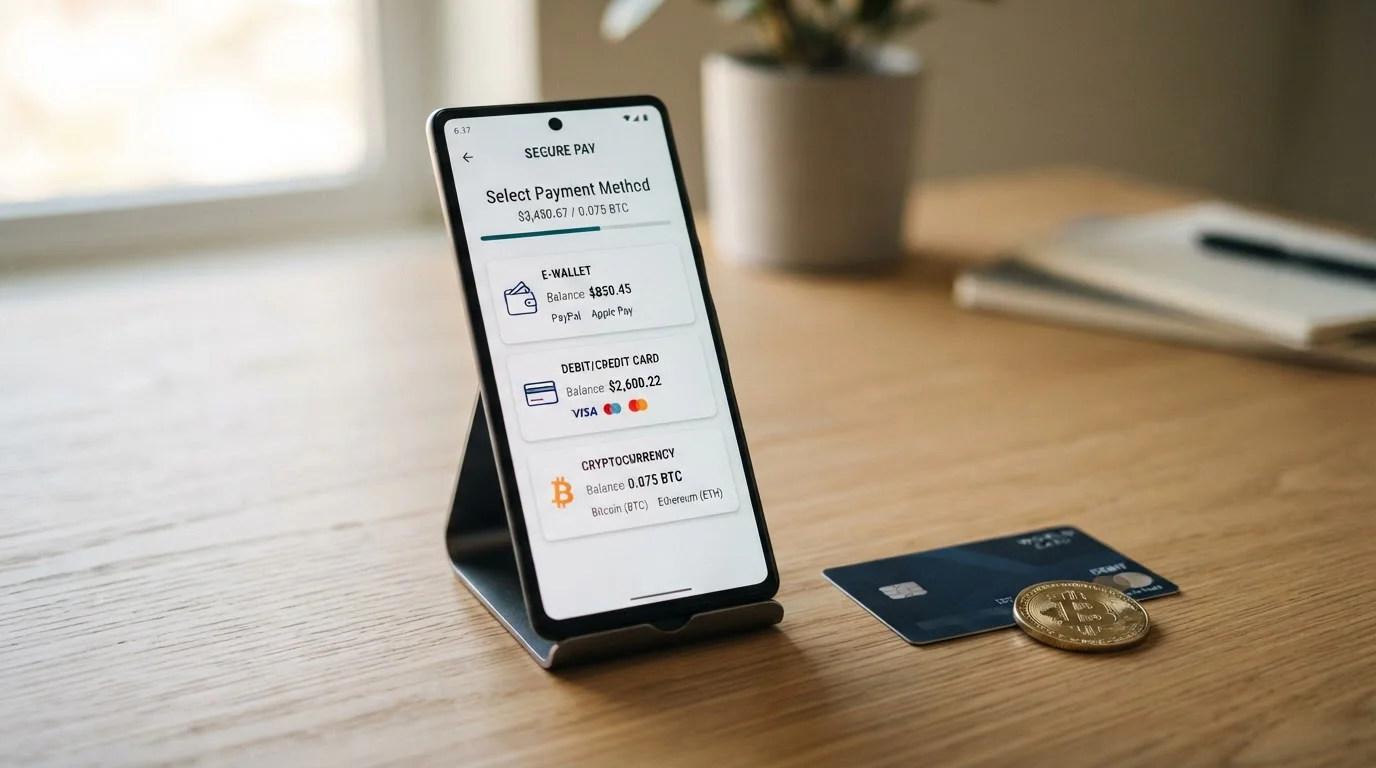
Every payment method below works at UKGC-licensed casinos, draws on money you already have rather than credit, and keeps you inside the UK’s consumer protection framework. Most also support withdrawals, which Diners Club never did at casinos: card withdrawals to credit and charge products are generally unsupported for gambling, so even where the card was once accepted it was a deposit-only method.
The table below compares the main options for UK players moving away from Diners Club—prioritising convenience, speed and minimal setup. Paysafecard and pay-by-phone are included for completeness but rank lowest because they are deposit-only, which leaves you needing a second method for withdrawals.
| Method | UKGC Acceptance | Deposit Speed | Withdrawal Speed | Fees | Best For |
|---|---|---|---|---|---|
| Visa/Mastercard Debit | 100% | Instant | 1–5 days | Free at UKGC casinos | Universal fallback, familiar UX |
| PayPal | 30–40% of UKGC casinos | Instant | 1–6 hours at UKGC | Free | Fast cashouts, card details kept private |
| Skrill | Selected UKGC casinos | Instant | 1–24 hours | 1.9% withdrawal to bank | Regular players using one e-wallet |
| Neteller | Selected UKGC casinos | Instant | 1–24 hours | 2% withdrawal to bank | Regular players using one e-wallet |
| Trustly / Pay by Bank | Growing at UKGC | Instant | Same day at many sites | Free | No card at all, direct bank payment |
| Paysafecard | Around 40% of UKGC casinos | Instant | Not supported | Free deposits | Strict spending control |
Visa and Mastercard Debit Cards
Debit cards are the default at UKGC casinos. Every major UK bank issues Visa or Mastercard debit; deposits are instant; withdrawals take 1–3 working days at most UKGC casinos and can be faster where Visa Fast Funds is supported. Licensed operators do not charge fees for debit card deposits or withdrawals.
The mechanics are identical to paying with Diners Club at any online shop: enter card number, CVV and expiry date, authorise via 3D Secure, and funds appear in the casino account instantly. The difference is acceptance. Debit cards work at every UK-licensed casino, which is everywhere that matters for UK players, while Diners Club works at none of them.
Some banks, particularly app-based challenger banks, offer a gambling block that customers can switch on themselves. If you have enabled one, it is a deliberate safer-gambling control and the card will decline at casinos until you lift it, usually after a cooling-off period. Traditional banks—Barclays, HSBC, Lloyds, NatWest—rarely block debit card gambling by default, though they may call to check large or unusual transactions.
Section 75 protection does not apply to debit cards, only credit cards. Chargeback rights exist but are limited for gambling transactions because the service was delivered—the player gambled, won or lost, and received the agreed outcome. Fraud chargebacks work (unauthorised use, duplicate charges), but “I lost and want my money back” chargebacks do not. That limitation applies to every payment method.
E-Wallets (PayPal, Skrill, Neteller)
E-wallets separate card details from casino databases and process withdrawals faster than bank transfers. Skrill and Neteller are functionally identical—both owned by Paysafe Group, both charging 1.9–2 percent for GBP withdrawals to UK bank accounts, both processing casino deposits instantly and casino withdrawals within 24 hours. PayPal is free for users and processes withdrawals in 1–6 hours at participating UKGC sites.
PayPal works at roughly 30–40 percent of UKGC casinos. It only works with gambling merchants that hold the appropriate local licence, which is one more reason it is a reliable signal that a casino is properly regulated. For players staying within UKGC casinos, PayPal is one of the fastest withdrawal methods available—Betway clears PayPal cashouts in under 4 hours, Ladbrokes in under 5 hours.
Some UKGC operators exclude Skrill and Neteller deposits from welcome bonuses, so check the promotion terms before choosing one for a first deposit. Remember that an e-wallet must be funded from a debit card or bank account to be used for gambling: a balance topped up with Diners Club or any other credit product will be declined at a UK casino.
Setup takes about 10 minutes. Create an account, link a UK bank account or debit card for funding, and verify your identity by uploading a photo ID; approval usually takes 1–2 working days. Casino deposits pull from the e-wallet balance or linked debit card; casino withdrawals land in the e-wallet balance, then transfer to your UK bank account via Faster Payments in 1–3 days.
Trustly and Pay by Bank
Open banking is the closest thing to a card-free casino payment. You choose your bank in the casino cashier, approve the payment in your banking app, and the money moves directly from your current account to the casino. No card number is shared, there is no separate wallet to fund, and because the money comes straight from your own account, there is no credit involved at any point.
Deposits are instant, and many UKGC operators return withdrawals by the same route on the same day once the request is approved. Fees are not charged by the casino or by Trustly. The trade-off is acceptance: open banking is growing quickly at UK casinos but is not yet universal, so check the cashier before you register if this is your preferred method.
Paysafecard
Paysafecard is a prepaid voucher bought at retail locations or online, then redeemed at casinos by entering the 16-digit PIN. It is accepted at around 40 percent of UKGC casinos. Deposits are instant. Withdrawals are impossible: Paysafecard is a one-way payment, which means you will need a second method—bank transfer, e-wallet or debit card—to cash out.
The genuine use case is strict spending control. Buy a £50 voucher, deposit £50, and that is the maximum you can put in from that voucher. It is not a way to keep gambling hidden: UKGC casinos still verify your identity and age before you play, and you will need a bank account or e-wallet in your own name to withdraw. If you find yourself wanting to keep gambling out of sight of the people you live with, that is a signal worth taking seriously, and GamCare’s helpline is a good place to start.
Vouchers are available at thousands of UK retail locations, including PayPoint outlets and major supermarkets. Online purchases work through the official Paysafecard website, paid via debit card or bank transfer. Unused balances attract a monthly maintenance fee after 12 months, so it makes sense to buy only what you intend to use.
Bank Transfer
Bank transfer is the universal fallback, available for withdrawals at almost every UKGC casino. You provide your sort code, account number and account holder name; the casino sends withdrawals via Faster Payments, which typically arrive within hours of approval. Deposits at UKGC casinos work through Faster Payments, Trustly or Pay by Bank, all instant.
Fees are usually free at UKGC casinos, which absorb payment processing costs. Withdrawal timelines are slower than e-wallets—1–5 days at UKGC casinos, depending mostly on how long the operator holds the request before releasing it—but limits are the highest. Players moving larger sums often prefer bank transfer for that reason.
Banks occasionally call to check large gambling-related transfers, and some customers have set up gambling blocks on their accounts. Both are protections rather than obstacles. Bank transfer solves Diners Club’s biggest weakness by supporting both directions: it works for deposits and withdrawals, costs nothing at UKGC casinos and handles larger amounts than most other methods.
Pay-by-Phone (Boku, Fonix)
Pay-by-phone deposits charge the casino deposit to your mobile phone bill or prepaid balance. Providers such as Boku and Fonix serve a smaller group of UKGC casinos. Deposits are instant but capped at low amounts, and some operators add a flat fee per deposit. Withdrawals are impossible—pay-by-phone is deposit-only, just like Paysafecard.
The use case is small deposits for casual mobile play. Because the spending cap is low and a second method is needed for withdrawals, pay-by-phone is rarely the best replacement for a card, but it can suit players who want a hard ceiling on what they put in each month.
What should I use instead of Diners Club at UK casinos?
A Visa or Mastercard debit card is the simplest swap: accepted at every UKGC casino, with instant deposits and free withdrawals in one to three days. PayPal pays out fastest where offered, and Trustly or Pay by Bank avoids cards entirely. All three use your own money, as UK rules require.
Do UK casinos charge fees for debit card, PayPal or bank deposits?
Generally not, for deposits or withdrawals. Costs usually come from providers instead: Skrill and Neteller charge around 2 percent to move money to a UK bank, and some pay-by-phone sites add a flat fee. A debit payment is never a cash advance, so Diners Club’s gambling fees do not arise.
Moving From Diners Club to a UK-Compliant Setup
Switching away from Diners Club for casino play takes less than an hour for most people. The aim is a payment setup that works at every UKGC casino, supports withdrawals, and keeps gambling separate from borrowed money.
Choosing Your Main Method
Start with what you already have. If you hold a UK current account, you already have a Visa or Mastercard debit card, which is accepted everywhere you can legally play in Great Britain. For most players that is enough on its own. If you want faster withdrawals, add PayPal; if you would rather not type card details into a casino cashier, use Trustly or Pay by Bank where available.
Avoid building a setup around several different methods unless there is a clear reason. Most UK casinos return withdrawals to the method you deposited with, and using one or two methods consistently makes verification simpler and keeps your gambling spending easy to track.
Verifying Your Casino Account
UKGC-licensed casinos must verify your name, address and date of birth before you can deposit or play, and many complete this electronically at registration. Some will ask you to upload a photo ID and a recent proof of address, and before your first withdrawal they may ask for proof that the payment method is yours—for example a bank statement or a photo of your debit card with the middle digits covered.
Doing this straight after registration avoids delays later. Use clear photos, make sure documents are in date, and check that the name on your account matches your ID exactly. Verification is a protection as well as a requirement: it stops other people using your identity or your payment details to gamble.
Setting Limits Before You Play
Every UKGC casino offers deposit limits, and following the 2025–2026 reforms many operators prompt you to set one when you open an account. Setting a daily, weekly or monthly limit before your first deposit is the closest equivalent to the spending ceiling that some charge card users relied on. Unlike a card limit, it applies only to gambling, and increases normally take effect only after a cooling-off period.
Reality checks, time-outs and loss limits are available too. None of them depends on your payment method, so they work the same whether you deposit by debit card, PayPal or bank transfer.
Keeping Diners Club for Everyday Spending
There is no reason to cancel a Diners Club card just because it cannot be used at casinos. It remains a payment card for travel, dining and other spending wherever the network is accepted. The simplest approach is to keep it entirely separate from gambling: no casino accounts, no e-wallets used for gambling funded from it, and no attempts to route it through other services.
If you want an extra layer of protection, ask your card issuer whether a gambling block can be applied to the account. Many issuers apply one to credit products by default, and confirming it is in place removes any temptation to use credit for gambling in future.
It is also worth reviewing any old casino accounts where the card may still be saved from before 2020. Removing stored card details, or closing accounts you no longer use, keeps your payment information tidy and means a forgotten cashier cannot prompt you to try a card that will only be declined. If an old account still holds a balance, request a withdrawal to a debit card or bank account in your own name.
Withdrawals at UK Casinos Without Diners Club
One advantage of moving to a debit-based method is that withdrawals become straightforward. Diners Club never offered a way to receive casino winnings back to the card, which meant players always needed a second method. With a debit card, PayPal, Trustly or bank transfer, the same method usually handles both directions.
How Withdrawals Work
You request a withdrawal in the casino cashier, the operator reviews it, and the funds are released to your payment method. The review stage—often called the pending period—is where most of the variation between casinos comes from. Some operators release approved withdrawals within hours; others take one to three days. Once released, e-wallet payouts usually arrive within hours, Faster Payments bank transfers typically within two hours, and standard debit card payouts within 1–5 working days.
First withdrawals often take longer because of payment-method and proof-of-address checks, even though your identity was confirmed before you deposited. Once your account is verified, later withdrawals generally move at the speeds the operator advertises.
Why Withdrawals Return to the Deposit Method
UKGC casinos generally send withdrawals back to the method used for deposits. This closed-loop approach is part of anti-money-laundering controls: it confirms that money leaving the casino goes to the same person who put it in. If you deposited by debit card, expect the withdrawal to go back to that card; if you used PayPal, to your PayPal account.
If a payment method has expired or closed since you deposited, contact the casino’s support team before requesting a withdrawal. They will usually ask for proof of the new account in your name before redirecting the payout.
How quickly can I withdraw if I switch from Diners Club to PayPal?
At UKGC casinos that support PayPal, approved withdrawals often arrive within hours—Betway and Ladbrokes typically clear PayPal cashouts in under five hours. Your first withdrawal may take longer while the casino confirms the PayPal account is yours; after that, PayPal is usually the fastest payout route.
Diners Club as a Payment Network
Diners Club is often described as the first modern charge card. It launched in the United States in 1950 as a way for members to pay for meals at participating restaurants and settle the bill once a month, and it grew into an international travel-and-entertainment card. Discover Financial Services bought Diners Club International from Citigroup in 2008, and Capital One completed its acquisition of Discover in May 2025. Today Diners Club cards run on the wider Discover Global Network, which explains why acceptance in the UK is patchier than Visa or Mastercard.
That history matters for casino payments in two ways. First, the card was always designed around credit: you spend now and settle later, which is exactly the model the UKGC ban targets. Second, because the network is smaller in the UK, many online merchants never integrated it in the first place, gambling or otherwise. Even before 2020, Diners Club was a rarity in UK casino cashiers, and the ban simply removed the last reason for operators to support it.
Does the credit card ban apply to American Express and other cards too?
Yes. The ban covers every card that is classified as credit or charge by its issuer or network, which includes American Express, Diners Club, and credit-branded Visa and Mastercard products. Debit cards, prepaid cards funded with your own money, e-wallets funded from a bank account, and direct bank payments remain permitted at UKGC casinos.
What if my card says Diners Club but is issued as a debit product?
The rule follows the product type, not the logo. Processors read the card’s identification number, which records whether it is credit, charge, debit or prepaid. UK-issued Diners Club cards are charge or credit products, so they are declined. Your issuer can confirm your card type, but the simplest answer is your current account’s debit card.
The Real Cost of Gambling on Credit
The fees on a single credit transaction are easy to underestimate, which is part of why the ban exists. Consider a player who used a charge card for £200 of gambling a month and whose issuer treated those payments as cash advances. At a 3 percent cash advance fee, that is £6 a month in fees before any interest—£72 a year—plus interest charged from the day of each payment at a rate higher than ordinary purchases. If the balance is not cleared in full, interest compounds on top.
The same £200 a month paid by debit card costs nothing in fees at a UKGC casino. Paid through PayPal or Trustly, it also costs nothing. The money comes from funds you already hold, so there is no balance to settle later and no interest to accumulate. The table below sets the two side by side, using the 3 percent fee from the example.
| Cost item | Charge card treated as cash advance | Debit card, PayPal or Trustly |
|---|---|---|
| Fee on £200 of gambling payments | £6 per month | £0 |
| Fees over a year | £72 | £0 |
| Interest | From the day of each payment, at the cash advance rate | None |
| Balance to settle later | Yes, every billing cycle | No |
| Accepted at UKGC casinos | No | Yes |
Seen this way, the case for switching is not only regulatory. Even in the years when a charge card could still be used at some casino cashiers, it was the most expensive way to fund play, and the fee arrived whether the session ended in a win or a loss.
The bigger cost is harder to put a number on. Gambling with credit separates the decision to spend from the moment the money leaves your account, and that gap is where losses tend to grow. The research behind the ban found much higher rates of problem gambling among people who used credit cards to gamble than among debit card users. Keeping gambling on a debit-based method, with a deposit limit set in advance, closes that gap.
Signs It Is Time to Take a Break
Wanting to use credit to fund gambling is one of the clearer warning signs that gambling is becoming a problem. Others include chasing losses, spending more than you planned, borrowing to gamble, or hiding gambling from family. If any of these sound familiar, the tools at UKGC casinos—deposit limits, time-outs and self-exclusion—are there to help, and GAMSTOP can block access to every UK-licensed site at once.
Your bank can also help. Many UK banks let you block gambling payments on your cards from the banking app, and some will apply a block to your account on request. Combined with a casino deposit limit and, if needed, a GAMSTOP registration, that gives you several independent layers of protection.
Is Diners Club Worth Pursuing for Casino Play in 2026?

No. Diners Club cannot be used at any UK-licensed casino, cannot receive withdrawals, and attracts card-issuer blocks and cash advance fees when used for gambling. For UK players it is the least practical way to pay for casino play in 2026, and every alternative listed above is quicker, cheaper and better protected.
Advantages Diners Club Users Valued—and Where to Find Them Now
Some cardholders liked the idea of consolidating spending onto one monthly statement, or the discipline of a charge card that must be cleared every month. Both ideas have better equivalents for gambling. A dedicated debit card or e-wallet keeps gambling spending in one place without involving credit, and a casino deposit limit gives you a ceiling that applies only to gambling and cannot be raised on impulse.
Brand trust was another draw. That trust now belongs with the licence rather than the card: a UKGC licence, visible on the public register, is what guarantees access to dispute resolution, a clear statement of how your funds are protected, and safer-gambling tools.
The Limitations That Remain
Diners Club works at no UKGC casino. The April 2020 credit card ban has no end date, is comprehensive and strictly enforced, and it covers e-wallets funded by credit as well as direct card payments. Players who want UKGC consumer protections—dispute resolution, funds-protection disclosure, GAMSTOP integration—cannot use Diners Club under any circumstances.
The card is also deposit-only for gambling, expensive when issuers treat gambling as a cash advance, and frequently blocked by issuers on gambling merchant codes. Each of those problems disappears when you switch to a debit-based method.
Skip Diners Club and Deposit with a Debit Card
Diners Club is functionally obsolete for UK casino players in 2026. No UKGC-licensed casino accepts it, the credit card ban ensures it will not return, and card issuers block or surcharge gambling transactions on credit products. Sites outside UK regulation that still list the card are not a safe workaround: they are outside GAMSTOP, outside UKGC dispute resolution and outside the safer-gambling rules that protect UK players.
Use a Visa or Mastercard debit card at UKGC casinos. Every UKGC operator accepts them; deposits are instant and free; withdrawals clear in 1–3 days at no cost. Add PayPal if you want faster withdrawals, or use Trustly and Pay by Bank if you prefer not to use a card at all. Set a deposit limit before you play, keep your Diners Club card for everyday spending, and keep credit out of gambling entirely.
If gambling is starting to feel hard to control, or you have been tempted to use credit to keep playing, free and confidential help is available from GamCare and the National Gambling Helpline on 0808 8020 133. GAMSTOP lets you exclude yourself from all UK-licensed gambling sites in one step, and BeGambleAware has practical tools and advice for players and families.
Casino Deposit Methods UK 2026 – Compare Payment Options
Content created by the «Cashier Atlas» team