
Best BNB Casinos for UK Players: Complete Comparison Guide 2026
 Available in GB

UK players hunting for casinos that accept Binance Coin face a sharp regulatory divide. Zero UK Gambling Commission-licensed operators take BNB or any other cryptocurrency directly. The entire landscape of BNB casino options sits offshore, under Curaçao, Anjouan, or Malta licences, beyond the reach of UKGC consumer protections.
This comparison covers eight offshore casinos that genuinely accept BNB deposits and withdrawals, ranked by what matters: licensing transparency, withdrawal reliability, game depth, and whether the casino actually holds your BNB or auto-converts it to stablecoins the moment you deposit. Each casino gets a full breakdown, not a promotional paragraph. The regulatory section explains exactly why UK-licensed operators cannot touch crypto and what that trade-off means for your money.
BNB brings speed and low fees to crypto gambling—transactions settle in seconds for pennies, not the $5–$50 Ethereum can charge or Bitcoin’s ten-minute confirmation waits. But network selection matters. Send BNB on the wrong chain and it vanishes. Choose a casino with opaque KYC triggers and your withdrawal sits in limbo. This guide solves both.
Why UK-Licensed Casinos Don’t Accept BNB (And What That Means for You)
No UK Gambling Commission licensee accepts cryptocurrency. Not BNB, not Bitcoin, not stablecoins. Remote casino operators holding active UKGC licences process payments exclusively through traditional rails: debit cards, bank transfers, and e-wallets like PayPal, Skrill, or Neteller in GBP.
The barrier stems from UKGC Licence Conditions and Codes of Practice, specifically LCCP rule 12.1.1 on anti-money laundering and source-of-funds verification. Licensed operators must trace every deposit to a real-world bank account. Cryptocurrency’s pseudonymous ledger structure fails that requirement. A Bitcoin or BNB transaction shows a wallet address and an amount. It does not show who owns the wallet, where the funds originated, or whether they came from legitimate income, a loan, a third party, or something the regulator would flag under affordability checks.
UKGC executive director Tim Miller has acknowledged that the Commission is exploring “what the potential path forward would be to create a way for crypto assets to be used as a consumer payment option for licensed and regulated gambling here in Great Britain.” He called it “a tentative first step.” No timeline exists. No policy draft has been published. No consultation is open. The statement signals future interest, not imminent change.
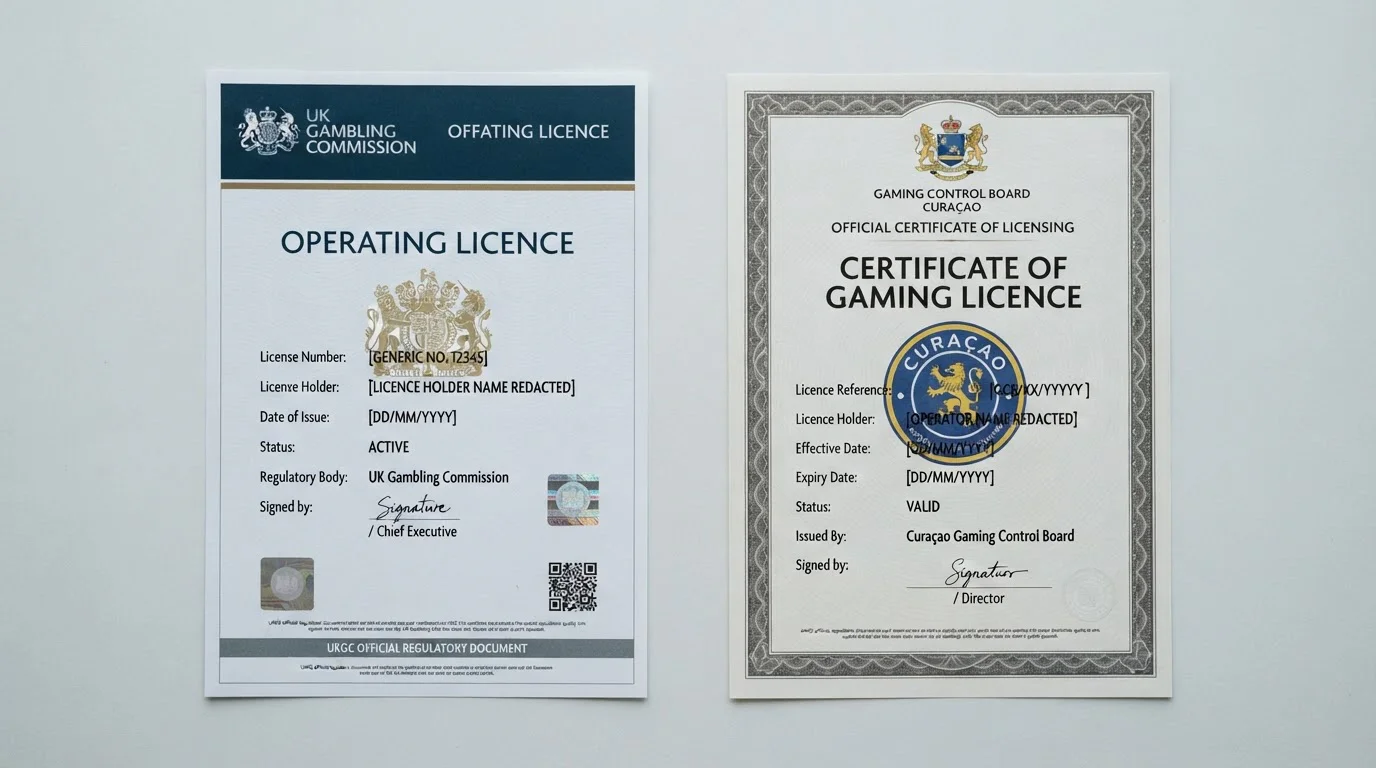
The result: every casino that accepts BNB is an offshore operator. These platforms hold licences from Curaçao Gaming Control Board, Anjouan Gaming Board, or Malta Gaming Authority and operate outside UKGC jurisdiction, which means they fall outside the UKGC’s consumer protection framework entirely.

Are BNB casinos regulated for UK players?
No. The Gambling Act 2005 requires any operator serving customers in Great Britain to hold a UKGC licence, and no BNB casino does. They are licensed, if at all, in Curaçao, Anjouan or similar jurisdictions, so there is no approved UK dispute resolution, no GAMSTOP coverage and no UK-mandated safer-gambling tools.
Why don’t UK Gambling Commission licensed casinos accept BNB or cryptocurrency?
UKGC licensees must verify where customer money comes from and run affordability checks against traceable bank accounts. A crypto transfer shows a wallet address and an amount, not an identity or income source, which clashes with the anti-money laundering duties in LCCP rule 12.1.1. Until the Commission publishes a crypto framework, licensed operators stay away.
The 8 Best BNB Casinos for UK Players (2026 Rankings)
Every casino below accepts BNB deposits and withdrawals on BNB Smart Chain, operates under an offshore licence, accepts UK sign-ups, and has been cross-checked for actual BNB support rather than marketing claims. The rankings prioritise licensing transparency, withdrawal track records, and clear differentiators.
| Casino | Licence | Min Deposit | Withdrawal Speed | Games | KYC | Distinguishing Feature |
|---|---|---|---|---|---|---|
| Jack | Curaçao OGL/2024/1562/1139 | $1 | 10–12 minutes | 10,400+ | Risk-based | 11-tier instant rakeback |
| Shuffle | Curaçao OGL/2024/1337/0628 | Varies | Minutes | Large library | Risk-based | SHFL token economy, in-house games |
| BetFury | Curaçao | $10 approx | Fast | 13,000+ | Varies | BFG token profit-sharing (3% daily casino revenue) |
| BC.Game | Anjouan | Varies | Fast | Large | Varies | Since 2017, blockchain-verified games |
| Bets.io | Not stated on site | $10 approx | Quick | 14,000+ | Varies | Massive game selection, mixed reviews |
| Winz.io | Curaçao (Dama N.V.) | Varies | Fast | 6,000+ | Varies | Hybrid crypto/fiat in one account |
| Fairspin | Curaçao 1668/JAZ | Varies | Fast | 10,000+ | Varies | Tokenised loyalty, blockchain transparency |
| Thrill | Not stated on site | Varies | Instant | Solid | Before withdrawal | 70% rakeback ceiling, launched 2025 |

Jack: Top All-Round BNB Casino
Jack.com launched in 2022 as Jackbit and later rebranded. It is operated by Data Link Digital B.V. under Curaçao Gaming Authority licence OGL/2024/1562/1139, with payment processing through DATALINK TECH LIMITED in Cyprus. The casino runs 10,400+ games from 84 providers, including 8,664 slots and 517 live casino entries as of September 2026. Pragmatic Play, Evolution, NetEnt, Hacksaw Gaming, BGaming, and Spinomenal supply the bulk of the catalogue, alongside 22 provably fair original titles like Plinko, Dice, Mines, and Crash.
BNB deposits land on BNB Smart Chain with a $1 minimum. Withdrawals require at least 0.02 BNB and cap at 90 BNB per transaction, with broader limits of $50,000 per rolling 7 days and $100,000 per rolling 30 days. Advertised withdrawal speed sits at 10–12 minutes for routine crypto cashouts, though terms allow up to 24 hours. Wins above $100,000 may be paid in monthly instalments.
Jack runs an 11-tier VIP programme where every wager earns points that convert to instant, wager-free cash at a rate of 100 points per dollar. No bonus wagering attached. The system suits volume players more than bonus hunters—the welcome offer gives 100 free spins on a $50+ deposit with code WELCOME, carrying 1x wagering and a $100 maximum win. A $40,000 weekly casino tournament adds recurring value.
KYC operates on a risk-based model. Sign-up requires only email, username, and password. Verification documents—ID, proof of address, video check, or source-of-funds evidence—may be requested before withdrawals. Complete verification early so a withdrawal is not held while documents are reviewed. Jack’s published licence number, clear withdrawal limits and wager-free rakeback make it the strongest all-round choice here.
Shuffle: Instant Rakeback & In-House Games
Shuffle.com operates under Natural Nine B.V., a Curaçao company holding licence OGL/2024/1337/0628 from the Curaçao Gaming Control Board. The licence showed “Indefinite” status on the regulator’s public register as of 14 September 2026. Shuffle launched in 2023 and supports 21 cryptocurrencies including BNB on BNB Smart Chain.
The platform combines a large slot library with a full sportsbook, both drawing from the same wallet balance. Evolution Gaming and other major studios supply live dealer tables. Shuffle’s in-house game studio produces original titles, a rarity among crypto casinos that typically licence content rather than develop it. The SHFL native token funds a weekly lottery, prize races, and airdrops, creating a token economy layer on top of standard gameplay.
Rakeback lands instantly with zero wagering requirements. Level-up reloads replace traditional deposit bonuses. Withdrawals process within minutes for most users, with no withdrawal ceiling advertised—though practical limits likely exist at the payment-processor level. Shuffle markets itself as a crypto-first operation, and the cashier infrastructure reflects that: deposits credit after one blockchain confirmation, typically under 30 seconds for BNB Smart Chain.
Expect identity verification before withdrawals, particularly large ones or any flagged by the casino’s checks. The SHFL token mechanism offers a tangible differentiator: holders receive rewards tied to platform activity, not just their own wagers. Shuffle suits players who want rapid cashouts and are comfortable with token-based loyalty schemes instead of traditional VIP tiers.
BetFury: Native Token Profit-Sharing
BetFury.com holds a Curaçao licence (the licence number is not clearly displayed on the site) and has operated since 2022. The platform runs 13,000+ casino games and covers 50,000+ sports betting events per month. BetFury supports 50+ cryptocurrencies, with BNB confirmed among them alongside Bitcoin, Ethereum, Tron, and multiple stablecoins. The cashier handles both crypto deposits and some fiat on-ramps, positioning BetFury as a hybrid rather than crypto-only.
The BFG native token, issued on BNB Smart Chain, drives the platform’s loyalty model. BFG holders earn 3% of BetFury’s daily casino profits, distributed proportionally in Bitcoin, Ethereum, and USDT. Staking programmes offer up to 60% APR across flexible, fixed-term, and boosted plans. This profit-sharing structure is uncommon in the crypto casino space—most platforms pay rakeback or cashback on a player’s own wagers, not a slice of house revenue.
BetFury markets itself as partially decentralised, though the site does not explain the on-chain governance mechanisms in detail. The platform operates in 14 languages. A 590% welcome bonus appears in its promotions; read the wagering terms in full before claiming it.
The profit-sharing model appeals to players treating gambling as part of a broader crypto portfolio strategy. BFG token holders with no active play still receive revenue distributions, effectively turning casino activity into a passive income stream, although the token’s own price can fall faster than any distribution pays out. BetFury suits UK players comfortable with token economics and willing to hold a native asset for long-term returns rather than immediate cashouts.
BC.Game: Long-Running Crypto Pioneer
BC.Game has operated since 2017, making it one of the oldest crypto casinos still active. The platform currently holds an Anjouan Gaming Board licence after migrating from Curaçao following bankruptcy proceedings in late 2024. The original Curaçao-licensed operator faced insolvency due to unpaid player credits, a matter resolved in Curaçao courts before the licence transfer.
BC.Game supports BNB among a wide range of cryptocurrencies. The platform emphasises blockchain-verified gameplay, with on-chain mechanics visible for provably fair titles. Game selection is large, though exact counts fluctuate as providers are added or removed. The product itself is strong on interface and catalogue depth, but the operating history includes events any depositor should know about.
Trustpilot removed BC.Game’s aggregate rating after identifying fake reviews. Taken together with the insolvency episode, the trust signals are weaker than the marketing implies.
BC.Game suits experienced crypto users who have researched the platform’s history and remain comfortable with the trade-offs. The 2017 launch date gives it operational longevity that newer casinos lack. But the bankruptcy episode and fake-review scandal cannot be ignored. Depositors should treat BC.Game as a high-capability platform with a complicated past, not a zero-risk choice.
A Note on Stake
Stake.com is one of the most recognisable names in crypto gambling and supports BNB in its cashier, which is why it appears in many international BNB casino round-ups. Its terms, however, exclude UK residents, so it is not ranked here. Using a VPN to get round that restriction breaches the terms and puts any balance or winnings at risk of being withheld.
Bets.io: 14,000+ Game Selection
Bets.io runs 14,000+ games across slots, live dealer tables, and other categories. The platform operates as a crypto-native casino and sportsbook, with a cashier that mixes cryptocurrency and fiat payment options. No specific licence number is clearly displayed, which is a warning sign in itself.
Bets.io pitches itself on variety beyond slots, with live dealer depth and recurring bonuses. The welcome package offers a 100% deposit match up to 1 BTC plus 100 free spins on the Max Miner slot. VIP rewards, parlay boosts, and regular promotions target players who return frequently rather than one-time depositors.
Player reviews split sharply. Trustpilot complaints cite “hidden fees,” “fixed games under illegal licences,” and withdrawal cancellations. Positive coverage focuses on game variety and crypto cashout speed, ignoring the trust issues flagged elsewhere.
Bets.io’s massive game count is its clearest strength. But the negative player testimonials create serious doubt about reliability. UK players considering Bets.io should limit deposits to amounts they can afford to lose entirely and assume disputes will not resolve in their favour. The platform may suit gamblers willing to accept elevated risk in exchange for catalogue depth, but it is not a safe-first choice.
Winz.io: Hybrid Crypto/Fiat Platform
Winz.io operates under Dama N.V., a Curaçao-licensed entity, and launched in 2020. The platform runs 6,000+ games and explicitly positions itself as a hybrid accepting both cryptocurrency (including BNB) and fiat currency. This dual model distinguishes Winz.io from crypto-only competitors—most offshore casinos treat fiat as an afterthought or omit it entirely.
The casino and sportsbook share equal prominence in the interface, with ten-cent minimum stakes available for sports betting. Promotions advertise “no wager” bonuses; check the rollover terms in full before claiming.
The hybrid structure appeals to UK players who hold some crypto but want the option to deposit GBP without converting everything through an exchange first. Winz.io supports Bitcoin, Ethereum, and BNB on the crypto side, alongside card and e-wallet options for fiat. The 2020 launch gives it six years of operational history—long enough to establish patterns, short enough that the brand remains relatively untested compared to 2017-era platforms.
Winz.io suits players who want flexibility between crypto and traditional payments within a single account. Winz.io is a competent mid-tier option, stronger on payment diversity than on cutting-edge crypto features.
Fairspin: Blockchain Transparency Focus
Fairspin.io holds Curaçao eGaming licence 1668/JAZ and launched in 2022. The platform runs 10,000+ games from 50+ providers and supports crypto, fiat, and local payment methods. Fairspin markets itself on “blockchain transparency,” with on-chain verification available for gameplay mechanics.
Fairspin’s tokenised loyalty system uses a native token for rewards, an unusual approach among crypto casinos. Token holders earn benefits tied to platform activity, though Fairspin does not spell out the exact mechanics clearly. Android and iOS apps extend the platform to mobile, a feature not all crypto casinos prioritise.
The transparency positioning is Fairspin’s main differentiator. On-chain verification allows technically skilled players to audit game outcomes independently, a step beyond the “provably fair” claims that many crypto casinos make without publishing the verification tools. Whether this matters to the average player is debatable—most gamblers trust RNG certifications rather than auditing SHA-256 hashes themselves—but it signals a developer ethos focused on verifiability.
Fairspin suits players who value transparency over raw game count or flashy bonuses. The 2022 launch and clean record place it in the “solid mid-tier” category: established enough to have a track record, new enough that no major scandals have surfaced. The tokenised loyalty model adds a layer of complexity that appeals to crypto-native users but may confuse newcomers.
Thrill: 70% Rakeback for Regular Players
Thrill.com launched in 2025, making it the newest casino on this list. Thrill does not clearly display a licence number, so check the site footer and the regulator’s register before depositing. Thrill supports BNB among other cryptocurrencies and runs a solid slots library, 13 in-house original games, and a full sportsbook.
Rakeback reaches up to 70%, the highest ceiling among the casinos reviewed here. Weekly lossback adds 10% on net losses. A $75,000 weekly race and daily leaderboards create recurring value for active players. Thrill markets itself as “built for repeat-use value rather than one-off sign-up bonuses”—an accurate description of its structure. The welcome offer is modest, and the platform openly prioritises long-term rewards over front-loaded promotions.
Expect identity verification before withdrawals, as at every casino here. Withdrawals process instantly for small amounts, with no advertised withdrawal caps. DappRadar tracks 109 verified deposit wallets across Ethereum, Solana, and TRON for Thrill, with $2.39 million in on-chain deposits over 24 hours from 1,563 wallets in a recent snapshot. That volume suggests genuine activity, not ghost liquidity.
Thrill’s 2025 launch means it lacks the operational history of Jack, BC.Game, or Winz.io. Early player feedback praises the rakeback structure and instant withdrawals, but one year is not enough time for a platform’s weaknesses to surface publicly. Thrill suits players who prioritise rakeback over brand longevity and are comfortable being early adopters. The 70% rakeback ceiling is real, but so is the platform’s youth.
Which BNB casino has the fastest withdrawals?
Jack, Shuffle and Thrill all advertise routine crypto cashouts in under 15 minutes: Jack quotes 10–12 minutes, Shuffle says “within minutes” and Thrill claims instant payouts on small amounts. Real speed depends on your verification status, the withdrawal size and any manual review, and every operator’s terms allow compliance delays.
Do I need KYC verification to play at BNB casinos?
Yes, expect it. Most BNB casinos use risk-based checks: sign-up asks for little, but withdrawals, especially large ones, often trigger requests for ID, proof of address or source-of-funds evidence. Jack, Shuffle and Thrill all reserve that right, and Curaçao rules have tightened. Verifying early is the easiest way to avoid a held withdrawal.
How to Deposit BNB Safely: Networks, Fees, and Common Mistakes
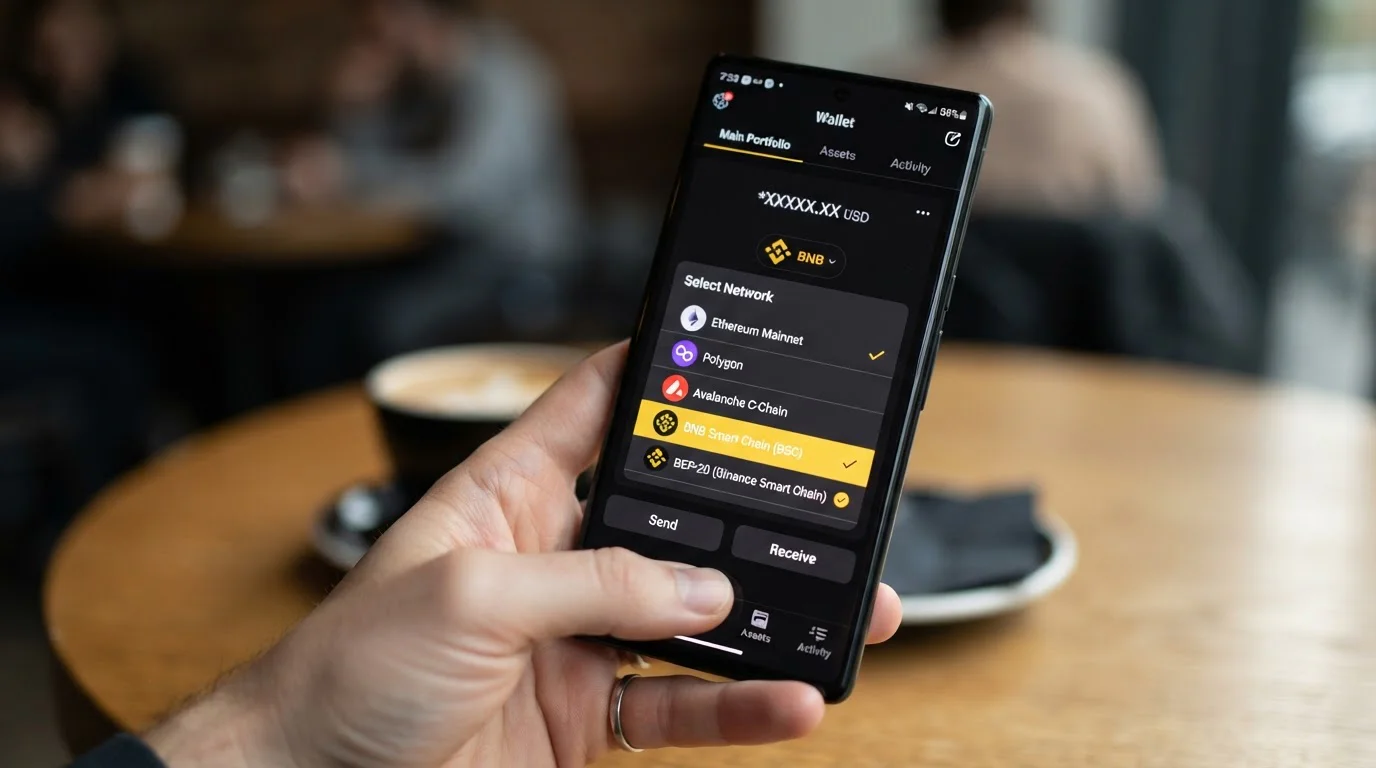
BNB deposits at crypto casinos require BNB Smart Chain, also called BSC. The BNB Smart Chain uses the BEP-20 token standard, analogous to ERC-20 on Ethereum. Sending BNB on any other network—Ethereum, Bitcoin, or the now-defunct BNB Beacon Chain—results in lost funds that casinos will not recover.
BNB Beacon Chain shut down on 3 December 2024. All staking and governance functions migrated to BNB Smart Chain. If your wallet still shows BEP-2 as an option, update the wallet software or switch wallets entirely. BEP-2 is dead infrastructure. Casinos that accepted it pre-December 2024 no longer do.
Depositing BNB from an FCA-registered exchange requires selecting the correct withdrawal network in the exchange interface. Look for “BNB Smart Chain,” “BSC,” or “BEP-20” in the network dropdown. Do not select “Binance Chain” or “BEP-2.” Do not select “Ethereum” or “ERC-20.” Both will send your BNB to an address the casino cannot credit.
Before sending the full amount, test with the minimum deposit. Most casinos accept minimums worth roughly £1–£10. Send about £5 of BNB, wait for it to credit, then deposit the rest. This two-step costs a few pence in extra network fees but eliminates the risk of losing a four-figure sum to a wrong-network send.
Some casinos auto-convert BNB to USDT or a house stablecoin the moment you deposit. You never hold a BNB balance—your account shows Tether, and withdrawals go out as Tether unless you manually convert back. This matters if you deposited BNB to maintain BNB exposure for price speculation. Check the casino’s cashier interface before depositing. If the balance displays “USDT” immediately after a BNB deposit, the platform converted it. If the balance shows “BNB,” you hold native BNB and can withdraw it as BNB.
Network fees on BNB Smart Chain run $0.10–$0.50 per transaction, dramatically cheaper than Ethereum’s $5–$50 range at busy times. A deposit and withdrawal at a BNB casino costs under $1 in fees total. Bitcoin fees fluctuate between $1 and $10 depending on mempool congestion, and Bitcoin transactions take 10–60 minutes to confirm. BNB settles in seconds.
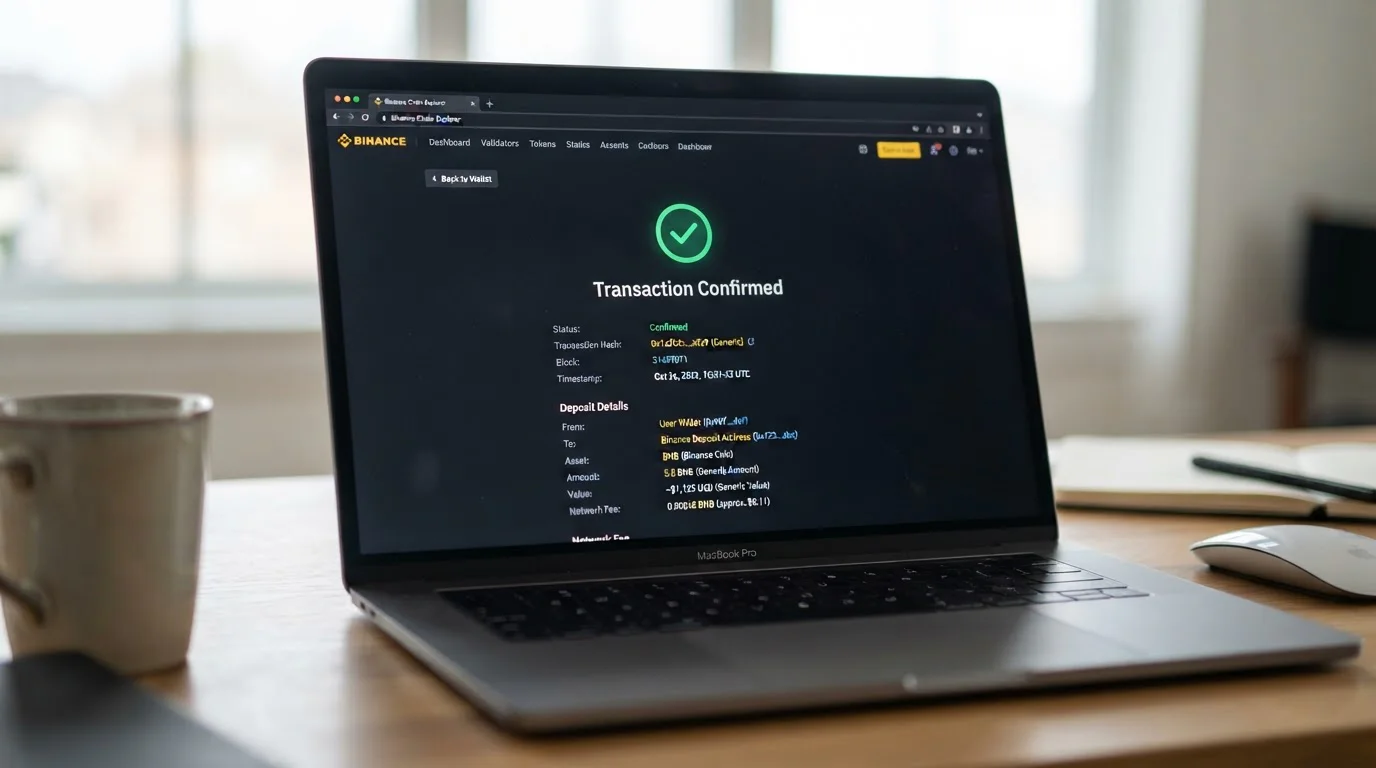
Casinos typically require one confirmation before crediting a deposit. BNB Smart Chain block time is approximately three seconds, so a deposit becomes available within 10–30 seconds of broadcast. If a deposit shows “pending” for longer, check the transaction on BscScan. If the transaction succeeded on-chain but the casino has not credited it, contact support with the transaction hash.
What’s the difference between native BNB and BEP-20, and which network should I use?
They are the same asset. BNB is the native coin of BNB Smart Chain, used to pay network fees, while BEP-20 is that chain’s token standard, so exchanges label the route “BNB Smart Chain”, “BSC” or “BEP-20”. Choose that option for casino deposits, never Ethereum (ERC-20) or the retired BNB Beacon Chain (BEP-2).
What happens if I send BNB to the wrong network address?
Usually it is lost. Send BNB over Ethereum’s ERC-20 network to an address expecting BNB Smart Chain and the transfer completes on Ethereum, where the casino cannot credit it. A few operators attempt manual recovery for a hefty fee, often 10–50% of the amount, but most refuse. Always check the network before confirming.
What are the fees for depositing and withdrawing BNB?
BNB Smart Chain network fees typically run $0.10–$0.50 per transaction, and casinos rarely charge for deposits. Withdrawal charges vary: some absorb the network cost, others take a flat 0.001–0.01 BNB or 1–2%. On a £100 cashout, a 50p network fee is trivial, whereas a 2% casino fee costs £2, four times more.
BNB Casino Games: What You Can Play
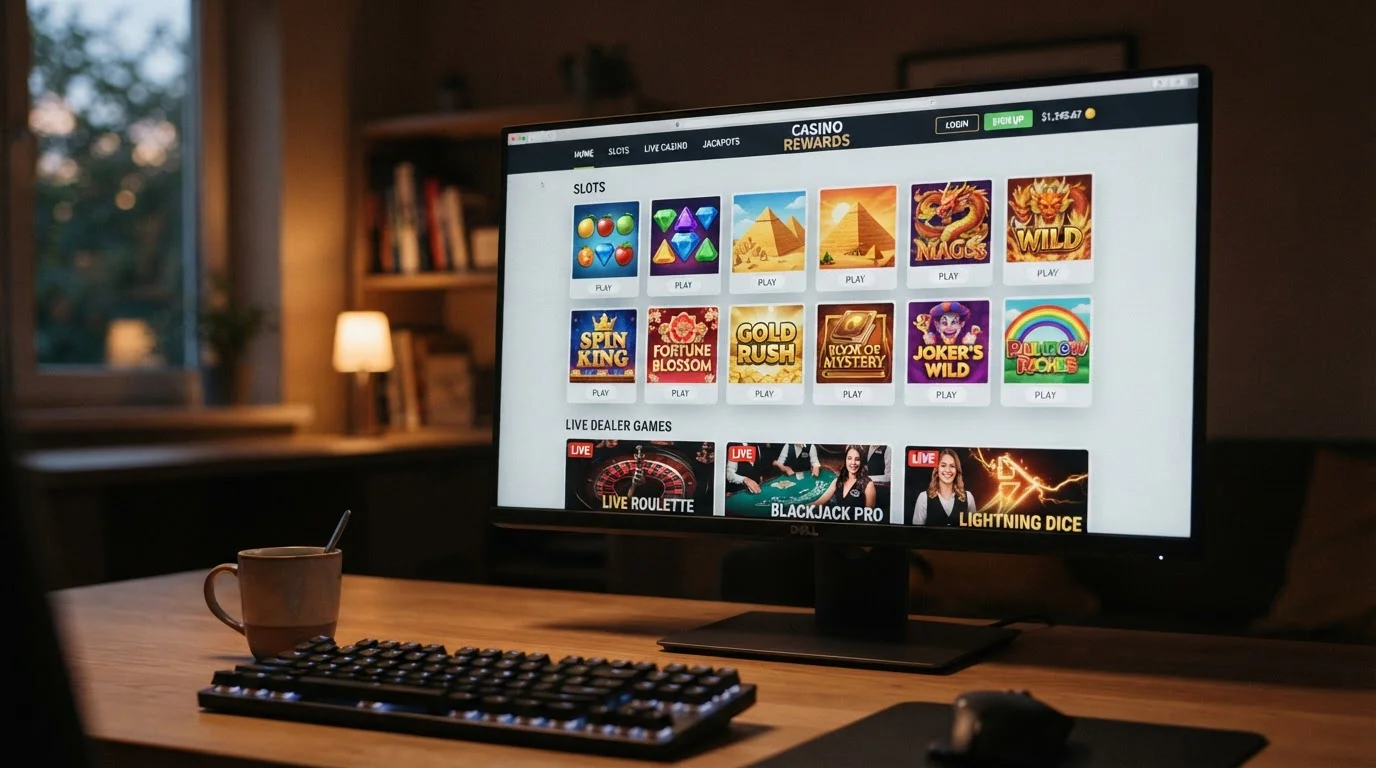
BNB casinos run the same game libraries as Bitcoin or Ethereum casinos. Slots dominate catalogues, with libraries ranging from 6,000 titles at Winz.io to 14,000+ at Bets.io. Pragmatic Play, NetEnt, Evolution Gaming, Hacksaw Gaming, and Play’n GO supply most content. Providers licence their games to multiple casinos, so the same slot appears at Jack, Shuffle, BC.Game, and a dozen other platforms.
Live dealer tables come from Evolution Gaming, Pragmatic Play Live, and smaller studios like Ezugi or Vivo Gaming. Blackjack, roulette, and baccarat are universal. Game shows like Crazy Time, Monopoly Live, and Deal or No Deal appear at casinos that pay Evolution’s premium licensing fees. Live dealer minimums vary widely—some tables accept 10p bets, others require £25 or more.
Provably fair originals are the one category unique to crypto casinos. These are in-house games like Plinko, Dice, Mines, Crash, Limbo, and Keno where players can verify outcomes using cryptographic hashes published before each round. The verification process is technical (you copy a server seed, client seed, and nonce, then hash them yourself to confirm the result was not manipulated), but the principle is simple: the casino commits to an outcome before you place the bet, so it cannot cheat.
Not every casino builds provably fair games. Jack runs 22 originals, Shuffle produces in-house titles, and BC.Game emphasises blockchain-verified gameplay. BetFury and Bets.io focus on licensed slots and live dealer content instead. If provably fair mechanics matter to you, prioritise casinos that publish the verification tools alongside the games.
Sports betting appears at most BNB casinos. Shuffle, BetFury, Bets.io, Winz.io, and Thrill all run sportsbooks covering football, tennis, basketball, esports, and niche markets. Odds quality and in-play depth vary. BetFury and Shuffle have the most developed sportsbooks of the group; smaller platforms bolt on sports betting as a secondary feature. If sports are your priority, a dedicated crypto sportsbook will outperform a casino that added betting as an afterthought.
Table games beyond live dealer—RNG blackjack, roulette, baccarat, video poker—exist at every casino but see less traffic than slots or live tables. Video poker pay tables are often worse than land-based casinos (97–98% RTP vs 99%+ at optimal strategy on full-pay Jacks or Better), and RNG table games lack the social element that makes live dealer appealing. Slots and live dealer dominate playtime at BNB casinos for good reason.
Offshore vs Regulated: What UK Players Need to Know
Choosing an offshore BNB casino means stepping outside the UK Gambling Commission’s regulatory perimeter. That trade-off brings faster payments and crypto access, but it also removes the protections UKGC licensees must provide, including GAMSTOP coverage.
| Feature | UKGC-Licensed Casino | Offshore BNB Casino |
|---|---|---|
| Licensing Body | UK Gambling Commission | Curaçao Gaming Control Board, Anjouan Gaming Board, Malta Gaming Authority, or similar |
| Dispute Resolution | Operator’s complaints process, then a UKGC-approved ADR provider such as IBAS | Casino’s licence jurisdiction (Curaçao, Anjouan, etc.); often less responsive than UKGC |
| GAMSTOP Coverage | Mandatory participation; self-excluded players cannot register | Not part of GAMSTOP; no UK self-exclusion protection |
| Payment Traceability | All payments trace to UK bank accounts (AML/SOF requirements) | Cryptocurrency pseudonymous; wallet addresses do not link to identity by default |
| Crypto Acceptance | None (prohibited under LCCP rule 12.1.1) | Yes (BNB, Bitcoin, Ethereum, stablecoins, etc.) |
| Fund Protection | Licensees must tell you whether your funds are not protected or have medium or high protection if they fail | Varies by licence; Curaçao does not mandate segregation |
| Responsible Gambling Tools | Deposit limits, loss limits, session timers, reality checks, self-exclusion (UKGC-mandated) | Varies; some casinos offer deposit limits and self-exclusion, others provide minimal tools |
The most significant protection lost at offshore casinos is dispute resolution. UKGC-licensed operators must join an ADR scheme and respond to complaints within set timeframes. If a player disputes a transaction, blocked withdrawal, or bonus term and the operator’s own process fails, the ADR provider reviews the case and its decision can require the casino to pay. Operators that ignore their ADR obligations risk regulatory action from the UKGC.
Offshore casinos answer to their home regulator—Curaçao, Anjouan, Malta—not the UKGC. Curaçao’s e-gaming authority handles thousands of licensees and has limited enforcement resources. Filing a complaint with Curaçao typically involves emailing a validator address, waiting weeks for a response, and receiving a form letter. Malta’s regulator runs a more structured complaints process and Anjouan’s record is thin, but neither gives UK players the route that UKGC licensing provides.
GAMSTOP, the UK’s national self-exclusion scheme, covers UKGC-licensed operators only. Sites outside the UKGC licence are not part of it and do not offer UK protections. If you have self-excluded, that exclusion exists to protect you; if you are struggling with it, GamCare and the National Gambling Helpline (0808 8020 133) offer free, confidential support.
Fund protection is another gap. UKGC rules require licensees to tell customers how protected their balances are if the operator becomes insolvent, rated as not protected, medium or high protection, so you can check before depositing. Curaçao does not mandate segregation or any equivalent disclosure. If a Curaçao-licensed casino folds, player funds mix with general creditor claims, and recovery odds drop sharply.
Offshore casinos are not bound by the UKGC’s affordability and financial-vulnerability rules. A UKGC casino seeing large deposits will often ask for payslips, bank statements, or proof of income. An offshore BNB casino may still request ID and source-of-funds evidence at withdrawal, but nobody is checking whether you can afford what you deposit. That missing safeguard is a risk, not a convenience.
Is my money safe at offshore BNB casinos?
It is riskier than at a UKGC-licensed site. Curaçao and Anjouan licences do not require segregated player funds, so balances can mix with operating capital and rank alongside other creditors if the casino fails. Disputes move slowly. Deposit only what you can afford to lose and withdraw winnings promptly rather than leaving balances on account.
Are BNB casinos covered by GAMSTOP?
No. GAMSTOP covers UKGC-licensed operators only, and every BNB casino is offshore, so none takes part in the scheme or offers UK protections. If you have self-excluded, that exclusion exists to protect you. For support, contact GamCare or the National Gambling Helpline on 0808 8020 133, or GAMSTOP itself.
BNB vs Other Cryptocurrencies for Casino Play
BNB sits in the middle of the crypto casino payment spectrum: faster and cheaper than Bitcoin, less widely accepted than USDT, more volatile than stablecoins, and simpler than Ethereum’s gas-fee chaos.
| Cryptocurrency | Network Fees | Speed | Volatility | Casino Acceptance |
|---|---|---|---|---|
| BNB | $0.10–$0.50 | 3-second blocks | Moderate (tracks broader crypto market) | High (most crypto casinos support it) |
| Bitcoin (BTC) | $1–$10+ | 10–60 minutes | Moderate (less volatile than altcoins) | Universal (every crypto casino accepts BTC) |
| Ethereum (ETH) | $5–$50+ | 15 seconds–2 minutes | Moderate | High (second most accepted after BTC) |
| USDT (Tether) | $0.10–$10+ (depends on chain: Tron cheap, Ethereum expensive) | Seconds to minutes | Minimal (stablecoin pegged to USD) | Universal (every crypto casino accepts USDT) |

Bitcoin remains the most universally accepted cryptocurrency at casinos, but its 10–60 minute confirmation times and $1–$10 fees make it inconvenient for small deposits or frequent cashouts. Bitcoin’s lower volatility compared to altcoins matters if you plan to hold a balance on-site for days, but most players deposit, play, and withdraw within hours, minimising price-risk exposure.
Ethereum offers faster confirmations than Bitcoin (15 seconds to 2 minutes) but charges $5–$50 in gas fees during network congestion. A £100 deposit in ETH might lose £10 to fees, eating 10% of the deposit before you place a bet. Ethereum’s high fees make it impractical for small-stakes players. BNB solves this: similar speeds to Ethereum, 1/10th the cost.
USDT and other stablecoins eliminate volatility but often cost more in fees than BNB. Tether on Tron (TRC-20) charges under $1 per transaction, but Tether on Ethereum (ERC-20) costs $5–$20. Many casinos auto-convert crypto deposits to USDT internally, meaning you deposit BNB and hold USDT. If the casino does this, you lose any BNB price upside—and pay the conversion spread.
BNB’s main advantage is cost efficiency. A deposit and withdrawal cycle costs under $1 total. Compare that to $10+ for Ethereum or $2–$20 for Bitcoin. Over dozens of transactions, the fee difference adds up. BNB also settles fast enough that deposits feel instant—three-second block times mean a transaction confirms in under 30 seconds.
The downside is acceptance breadth. Bitcoin and USDT are universal; every crypto casino supports them. BNB is widely accepted but not quite universal—smaller or older casinos may offer only BTC and ETH. All eight casinos reviewed here support BNB. But if you branch into lesser-known platforms, check the cashier before assuming BNB works.
Responsible Gambling at BNB Casinos
Offshore BNB casinos operate outside UKGC’s mandatory responsible gambling framework. Deposit limits, loss caps, session timers, and reality checks vary by platform. Some casinos offer robust self-exclusion tools; others provide nothing beyond a “close account” button.
Jack, Shuffle, and Fairspin include deposit-limit settings in account controls. Players can set daily, weekly, or monthly caps that the casino enforces. Self-exclusion options range from 24-hour cooldowns to permanent bans. But these tools are voluntary. Offshore casinos are not required to offer them, and enforcement depends on the platform’s compliance culture.
UKGC-licensed operators must display safer gambling messages, offer reality checks, and provide links to independent support organisations like GamCare and BeGambleAware. Offshore casinos occasionally link to these resources, but it is not mandated. Most responsible gambling sections at offshore platforms are perfunctory—a paragraph of text and a BeGambleAware logo with no actual integration.
The speed and anonymity of crypto gambling amplify harm potential. Deposits confirm in seconds, withdrawals process in minutes, and players can gamble continuously without the natural friction of bank transfer delays or card declines. Offshore casinos are not bound by UK affordability rules. A player can deposit thousands of pounds in BNB and lose it in an hour with no intervention.
Self-awareness is the only reliable control. Set personal loss limits before depositing. Use a separate wallet for gambling with only the amount you are willing to lose. Withdraw winnings immediately rather than leaving balances on-site. If you recognise problem gambling patterns—chasing losses, gambling with money meant for bills, hiding activity from family—seek help before the damage compounds.
GamCare operates the National Gambling Helpline (0808 8020 133) and offers free support for UK residents. BeGambleAware provides resources at begambleaware.org. Gamblers Anonymous runs peer support meetings across the UK. These organisations exist independently of casinos and regulators, making them accessible regardless of where you gamble.
Offshore BNB casinos will not stop you from losing more than you can afford. They profit when you lose. The player must enforce their own limits, because the platform will not.
Making the Choice: Which BNB Casino Fits Your Priorities
The eight casinos reviewed here split into three tiers based on licensing transparency, operational history, and platform maturity. Jack and Shuffle occupy the top tier: both publish licence numbers you can check on the Curaçao regulator’s register and maintain transparent cashier policies. Jack’s clear withdrawal limits and 11-tier instant rakeback make it the strongest all-round choice for long-term value. Shuffle’s SHFL token economy and in-house game studio appeal to crypto-native users comfortable with token mechanics.
BetFury, Fairspin, and Winz.io form the mid-tier. All three hold Curaçao licences and have operated for multiple years without major scandals. BetFury’s profit-sharing model suits players treating gambling as part of a broader crypto portfolio. Fairspin’s blockchain transparency focus and published licence number place it among the safer mid-tier options. Winz.io’s hybrid crypto/fiat structure suggests competent execution, though the platform lacks the depth of top-tier competitors.
BC.Game, Bets.io, and Thrill carry elevated risk or opacity. BC.Game’s 2017 launch gives it nine years of longevity, but the bankruptcy episode and fake-review scandal cannot be ignored. Bets.io’s undisclosed licence number and negative player testimonials outweigh its game-count advantage. Thrill’s 70% rakeback is real, but a 2025 launch means the platform has not been tested long enough for weaknesses to surface publicly.
Prioritise licensing transparency over game counts. A casino with 14,000 slots and a hidden licence is riskier than one with 6,000 slots and a published Curaçao licence number you can verify on the regulator’s validator. Prioritise withdrawal track records over bonus sizes. A “300% welcome bonus” with 60x wagering is worth less than instant rakeback with no rollover. Prioritise small test deposits over large first-time funding. Send £10, play a few rounds, withdraw £5, and confirm the casino processes it smoothly before depositing serious money.
BNB casino gambling sits in a regulatory grey zone where player protection comes from careful platform selection, not legal enforcement. The UKGC cannot help you if an offshore casino confiscates funds, delays withdrawals, or simply disappears. Choose conservatively, withdraw winnings promptly, and never hold balances larger than you can afford to lose entirely. The speed and convenience of BNB gambling are real advantages. So are the risks of operating outside regulated markets.
Crypto Casinos and UK Players 2026 – Coins, Rules and Risks
Content created by the «Cashier Atlas» team