
uPayCard Doesn't Work at UK Casinos: Here's What Does in 2026
 Available in GB

uPayCard is not available for UK casino deposits in 2026. The service shut down, operations transferred to PAP OnPoint Services Ltd., and the consumer-facing site upaycard.com went dark. But the closure is only half the story. uPayCard never supported GBP in the first place—it operated exclusively in Israeli Shekel, US Dollar, and Euro. UK casino players were locked out by currency limitation before the service even ceased operations.
That leaves a straightforward substitution task: which payment methods actually work at UK online casinos in 2026, and how do they compare? E-wallets dominate the UKGC-licensed space—PayPal, Skrill, Neteller, Payz, MuchBetter. Prepaid cards like Paysafecard offer cash-style budgeting but are deposit only. Offshore casinos that advertise credit card and crypto deposits sit outside UK regulation and are not a safe substitute.
Below is the substantive breakdown: why uPayCard never worked, which alternatives replace its e-wallet and prepaid functions at UKGC-licensed casinos, why offshore sites are not the answer, and which UK-licensed casinos support each option.
Why uPayCard Doesn’t Work at UK Casinos in 2026
uPayCard ceased operations between 2024 and 2025. The payment service, previously accessible at upaycard.com, stopped processing transactions due to alleged financial misconduct and regulatory problems. UPC Consulting Ltd., the original operating entity, faced accusations of fraudulent activities and significant financial losses for users. Operations transferred to PAP OnPoint Services Ltd. in a late ownership handoff, but the consumer service never relaunched.
uPayCard was a payment services provider, not a gambling operator. Its payment licensing gave it legal standing to operate but no special integration with casino cashiers. When the service shut down, no UK casino lost a working payment method because uPayCard had never been viable here.
The currency problem predated the closure. uPayCard supported three currencies: Israeli Shekel, US Dollar, and Euro. GBP was never on the list. UK players opening an e-wallet account could load balances in USD or EUR, but online casinos in Britain settle transactions in pounds. A deposit attempt would hit an immediate currency mismatch—no conversion path, no workaround, no deposit. The service was structurally incompatible with the UK gambling market.
Old lists of uPayCard casinos from the mid-2010s referred to international operators serving euro or dollar markets, not UKGC-licensed sites. In 2026, no UKGC-licensed casino accepts uPayCard. The figure is not zero because of the closure—it was always zero because of the GBP gap.
Will it come back? PAP OnPoint Services now holds the uPayCard brand but had not relaunched consumer services as of 2026. Even if operations resume, GBP support would need to be added from scratch. Given regulators’ scrutiny of payment services and the reputational damage from the closure, a UK relaunch remains speculative at best.
What happened to uPayCard and will it come back?
uPayCard stopped operating in 2024 or early 2025 amid allegations of financial misconduct and regulatory problems. The brand passed to PAP OnPoint Services Ltd., but consumer services remained offline throughout 2026. A UK relaunch looks unlikely, not least because the service never supported pounds, so use PayPal or Paysafecard instead.
Best E-Wallet Alternatives at UKGC-Licensed Casinos

E-wallets replace every function uPayCard aimed to provide: instant deposits, withdrawal speed faster than bank transfers, and a security layer between your bank account and the casino. Five options dominate the UKGC-licensed space in 2026: PayPal, Skrill, Neteller, Payz, and MuchBetter. PayPal, Skrill, Neteller and Payz are authorised by the FCA as electronic money institutions, so UK regulatory oversight applies to how they handle your funds; MuchBetter’s operator is licensed by the Gibraltar Financial Services Commission.
Speed separates the pack. PayPal withdrawals at top UKGC casinos process in under two hours—Casumo and Betway both clear most PayPal payouts inside four hours. Skrill and Neteller sit in the same bracket, with the fastest operators returning funds to your e-wallet in 52 minutes to two hours based on September 2026 test withdrawals. Bank transfer, by contrast, takes one to five working days. Debit card sits in between at 12 hours to three days.
The fee structures vary. PayPal charges no fees on deposits or withdrawals above five pounds at UKGC casinos—the operator absorbs the processing cost. Skrill and Neteller apply small withdrawal fees, typically one to two percent or a fixed charge depending on the method you use to pull money from the e-wallet to your bank. Payz operates a tiered account system: higher tiers (Silver, Gold, Platinum, VIP) reduce fees but require verification and deposit volume thresholds. MuchBetter is app-only with biometric authentication and instant one-tap deposits, but fewer UKGC casinos accept it—checks in September 2026 found zero of four UKGC sites offered MuchBetter in their cashier.
Bonus eligibility creates a split. Most UKGC casinos allow PayPal deposits to qualify for welcome bonuses. Skrill and Neteller face frequent exclusions—many operators bar these two e-wallets from bonus offers due to historical abuse patterns where players shuffled funds between casinos to farm promotions. Check the terms before depositing if you plan to claim a bonus. Payz and MuchBetter generally qualify for bonuses at sites that accept them, but acceptance is narrower than the big three.
PayPal rarely appears at Curaçao-licensed sites because its corporate policy restricts partnerships with unregulated gambling operators. That is one more reason to stick to UK-licensed casinos, where UK gambling protections apply whichever of the five wallets you use.
| E-Wallet | Deposit Speed | Withdrawal Speed (UKGC) | Fees | Bonus Eligibility | Best For |
|---|---|---|---|---|---|
| PayPal | Instant | <2–4 hours | None above £5 | Usually qualifies | Trust, speed, UKGC casinos |
| Skrill | Instant | 52 min–2 hours | 1–2% withdrawal fee | Often excluded | Speed, wide UKGC acceptance |
| Neteller | Instant | 1–4 hours | 1–2% withdrawal fee | Often excluded | Skrill alternative, prepaid card |
| Payz | Instant | 1–3 hours | Tiered (lower at higher levels) | Usually qualifies | Flexible funding options |
| MuchBetter | Instant | 1–3 hours | Small fees | Usually qualifies | Mobile-first users |
What’s the fastest alternative to uPayCard for casino deposits in the UK?
PayPal offers the fastest combined deposit and withdrawal experience at UKGC-licensed casinos in 2026. Deposits are instant, withdrawals clear in two to four hours at top operators such as Casumo and Betway, and there are no fees above five pounds. Skrill and Neteller are similarly quick but often excluded from bonuses.
PayPal
PayPal is the household-name e-wallet—430 million active accounts worldwide, roughly 25 million users in the UK. In the UK it operates through PayPal UK Ltd, which the FCA authorises as an electronic money institution, so customer funds must be safeguarded—though PayPal is not a bank. The domain is paypal.com, and the ultimate parent is PayPal Holdings, Inc., a Nasdaq-listed company based in San Jose, California.
Around 40 UKGC-licensed casinos accepted PayPal as of September 2026. That is less than half the UKGC-licensed market, but the casinos that do accept it tend to be the high-volume operators with robust payment infrastructure. Deposit minimums sit at five to ten pounds. Withdrawals process faster than any other method at UKGC casinos—under two hours at Casumo, under four hours at Betway. The speed advantage comes from PayPal’s direct API integration with casino platforms and the fact that PayPal accounts are already verified during signup, eliminating redundant checks at payout time.
PayPal deposits generally qualify for welcome bonuses, unlike Skrill and Neteller. The reason: PayPal’s corporate policy restricts which gambling operators it partners with. Only UKGC-licensed casinos with strong compliance records get PayPal integration, which filters out the bonus-farming risk that led to Skrill and Neteller exclusions. The flip side: PayPal is largely confined to regulated casinos, which makes its presence in a cashier a reassuring signal.
The security layer is the main draw. Your bank or card details never reach the casino—PayPal acts as the intermediary. The casino sees a PayPal transaction ID, nothing more. Don’t count on PayPal to reverse a casino payment, though: its Buyer Protection does not cover gambling, so disputes with the casino go through the operator’s complaints process and an approved ADR provider. Still, the brand trust and payout speed make PayPal the default first choice for most UK players at UKGC-licensed casinos.
Skrill
Skrill is the e-wallet with the deepest roots in gambling. Paysafe Financial Services Limited operates it as part of Paysafe Group plc, the same parent company that owns Neteller. The domain is skrill.com, and the service has been around since the early 2000s under various names. It holds FCA authorisation as an electronic money institution in the UK.
Acceptance is wider than PayPal—44 UKGC-licensed casinos tested in 2026 accepted Skrill. Deposits are instant. Withdrawal times at top UKGC casinos range from 52 minutes to two hours, putting Skrill in the same speed tier as PayPal. A prepaid MasterCard option links to your Skrill balance, allowing ATM withdrawals and retail purchases if you want to pull funds out of the e-wallet without a bank transfer.
The catch: bonus exclusions. Many UKGC casinos explicitly bar Skrill deposits from welcome bonus eligibility. The issue is historical—Skrill’s ease of use and wide acceptance made it the tool of choice for players shuffling funds between casinos to farm promotions. Operators responded by blacklisting the method from bonus terms. Not every UKGC casino excludes Skrill, but enough do that you must check the fine print before depositing if a bonus matters to you.
Fees are small but present. Funding your Skrill account via bank transfer is usually free, but credit card funding incurs a fee. Withdrawing from Skrill to your bank account costs one to two percent or a fixed fee depending on the method. For players who keep balances in the e-wallet and move money between casinos, the fees stay minimal. For players who deposit once and withdraw immediately, they add up.
A VIP programme offers reduced fees and dedicated support for high-volume users.
Neteller
Neteller is Skrill’s sister service—same parent company, same legal entity (Paysafe Financial Services Limited), same FCA authorisation. The domain is neteller.com. Acceptance profiles are nearly identical: if a casino offers Skrill, it usually offers Neteller as well. The two services compete more on brand preference and minor fee differences than on functional distinction.
Instant deposits, withdrawal times of one to four hours at UKGC casinos, and a Net+ prepaid MasterCard linked to your Neteller balance. Multi-currency support lets you hold GBP, EUR, USD, and other balances in one account. The interface and app differ slightly from Skrill—some users find one more intuitive than the other, but that is subjective preference rather than a material operational gap.
The same bonus exclusion problem applies. Many UKGC casinos that exclude Skrill also exclude Neteller from welcome bonus eligibility, for the same historical reasons. The two e-wallets are treated as interchangeable by most operator bonus teams. If you see “Skrill/Neteller excluded” in the terms, assume both are off the table.
Neteller’s strength is its long track record in the gambling vertical. The service predates Skrill’s acquisition by Paysafe and has decades of operational history with casino platforms. Some older operators integrated Neteller first and never bothered adding Skrill later. For UK players, the choice between Skrill and Neteller often comes down to which one you already have an account with. Functionally, they solve the same problem.
Payz
Payz is the rebrand of ecoPayz, a change that rolled out in 2023 and 2024. The legal entity is PSI-Pay Ltd., and the domain is payz.com. It holds FCA authorisation as an electronic money institution in the UK. Multi-currency support extends to 45+ currencies including GBP, and a prepaid card option (formerly ecoCard, now branded as Payz card) links to your e-wallet balance for ATM and retail use.
Acceptance at UKGC casinos is solid but narrower than PayPal, Skrill, or Neteller. Withdrawal speeds sit in the one-to-three-hour range at faster operators. The distinguishing feature is the funding flexibility: you can load your Payz account via bank transfer, debit card, voucher purchase, or cryptocurrency. The voucher option suits players who like to load a fixed amount in cash. Payz still verifies your identity, and so will any UK-licensed casino you use it with.
The fee structure is tiered. Classic accounts (the default) carry standard fees. Higher tiers—Silver, Gold, Platinum, VIP—reduce fees but require identity verification and deposit volume thresholds to unlock. The tiering system is more complex than PayPal’s flat “no fees above five pounds” model, but high-volume players can bring costs below Skrill and Neteller levels by climbing the tiers.
Bonus eligibility is generally good. Payz does not carry the same historical baggage as Skrill and Neteller, so most UKGC casinos that accept Payz allow it to qualify for welcome bonuses. Check the terms, but exclusions are less common.
The rebrand from ecoPayz to Payz caused some short-term confusion. Some casinos still list the method as “ecoPayz” in their cashier even though the service is now branded Payz. It is the same account, same login, same functionality. If you see ecoPayz listed, treat it as Payz.
MuchBetter
MuchBetter is the mobile-first e-wallet. MIR Limited operates it under an e-money licence from the Gibraltar Financial Services Commission, and the domain is muchbetter.com. The service requires a smartphone app—there is no desktop browser interface. iOS and Android only. Biometric authentication (fingerprint or Face ID) approves every transaction, adding a security layer beyond password login.
Acceptance at UKGC casinos is patchy. Checks of four UKGC-licensed casinos in September 2026 found zero offered MuchBetter in their cashier. The method exists in the UK market, but adoption by UKGC operators has been slow compared to PayPal, Skrill, and Neteller. Where it is accepted, the app-based flow and biometric security appeal to players prioritising mobile convenience and tighter access control.
Deposits are instant with one-tap approval from the app. Withdrawals take one to three hours at casinos that support the method. A MuchBetter prepaid MasterCard links to your e-wallet balance for ATM and retail use. The app includes gamification features—a “MuchBetter Wheel” for bonuses, a rewards programme, and tier progression. Those features are optional and cosmetic; the core function is straightforward e-wallet deposits and withdrawals.
The mobile-only limitation is polarising. Players who manage everything on their phone find MuchBetter’s one-tap deposit flow faster than logging in to PayPal or Skrill via a browser. Players who prefer desktop access or want a web-based transaction history find the app-only model restrictive. There is no middle ground—you either commit to the app or pick a different e-wallet.
Bonus eligibility is generally good where the method is accepted, which is rare at UKGC casinos. Fees are small and similar to Skrill’s structure. If you do everything on your phone and your casino lists it, MuchBetter is worth the app download; otherwise PayPal is the simpler choice.
Which e-wallet is best for casino bonuses—PayPal, Skrill, or Neteller?
PayPal is the safest choice for bonus eligibility at UKGC-licensed casinos. Most sites allow PayPal deposits to qualify for welcome bonuses, while Skrill and Neteller face frequent exclusions due to historical bonus abuse. Always check the specific casino’s terms before depositing.
Prepaid Card Alternatives at UK Casinos
Prepaid cards offer the budgeting discipline of cash with the convenience of digital transactions. No bank account details are shared with the casino and no e-wallet signup is needed, though the casino still verifies your identity, as every UK-licensed operator must. Paysafecard dominates the UK prepaid space, with Neosurf as a distant second option. Both work at UKGC-licensed casinos, but the deposit-only limitation creates a workflow wrinkle that e-wallets do not have.
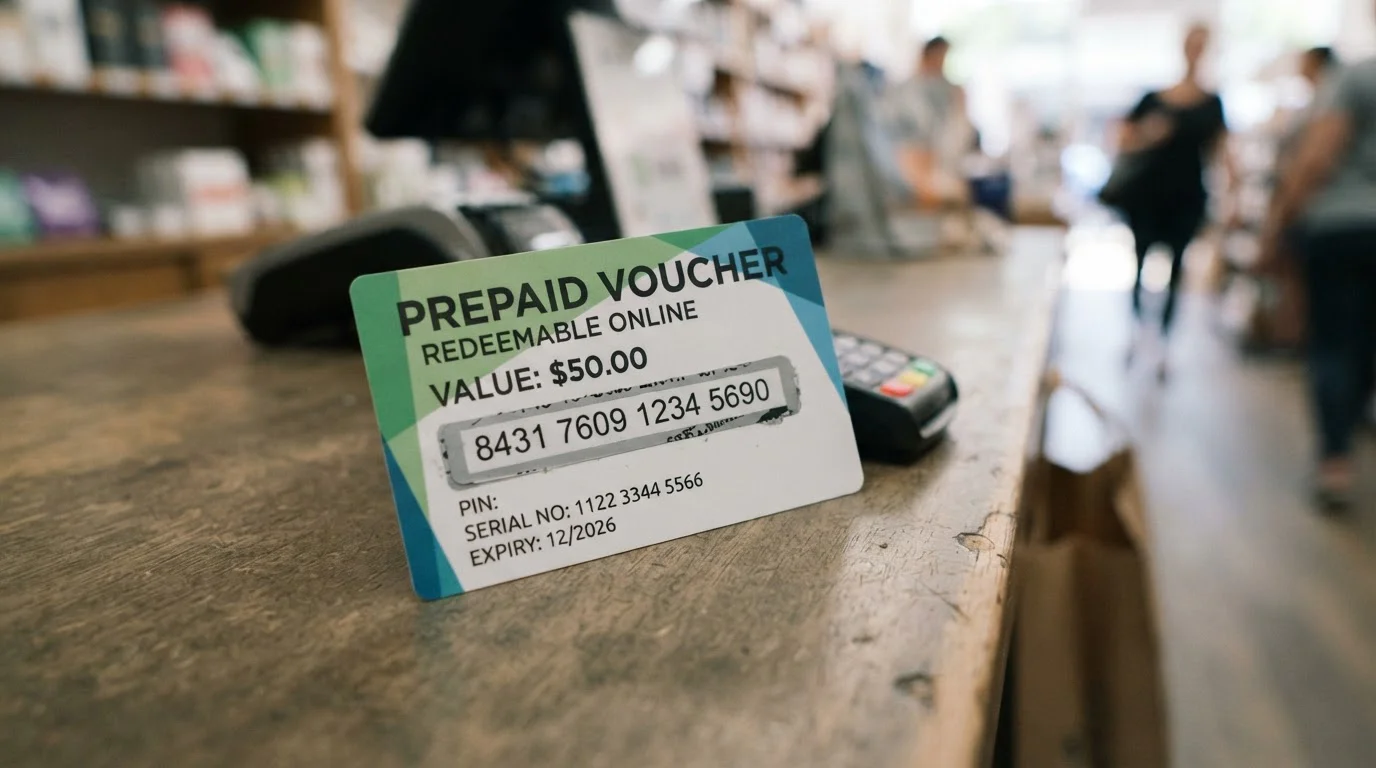
The voucher model: you purchase a prepaid card or PIN at a retail outlet—Tesco, PayPoint, convenience stores—or online. The voucher comes with a 16-digit code. You enter that code in the casino cashier, and the voucher value credits to your casino balance instantly. No card details, no bank link, no payment processor intermediary. For players who want a hard cap on what they can deposit, it is the cleanest option.
The deposit-only limitation is the trade-off. Paysafecard and Neosurf are one-way payment rails. You cannot withdraw casino winnings back to a prepaid voucher—once the voucher is spent, it is gone. Winnings must be paid out via a different method: bank transfer, e-wallet, or debit card. That means every UK player using prepaid cards for deposits needs a secondary payout method on file with the casino. Some players find that acceptable—deposit with vouchers, withdraw normally. Others find the asymmetry inconvenient compared to e-wallets, which handle both directions.
GAMSTOP interaction matters. If you are registered with the UK self-exclusion scheme, a Paysafecard voucher purchased at Tesco will not help you deposit at a UKGC-licensed casino. The exclusion check happens at login, before the deposit stage. You will not be able to open a casino account or reach the cashier, rendering the voucher unusable for gambling. The voucher itself remains valid—you can spend it elsewhere or refund it via Paysafecard’s customer service—but it cannot bypass GAMSTOP at UKGC casinos.
Retail availability gives prepaid cards an edge for players without online banking or those who prefer cash transactions. Every major supermarket chain and thousands of PayPoint locations across the UK sell Paysafecard vouchers. You walk in, pay cash, walk out with a voucher. That appeals to a specific user profile: older players less comfortable with digital wallets, or anyone who prefers to budget in cash.
Paysafecard
Paysafecard is the prepaid voucher incumbent. Paysafe Prepaid Services Limited operates it as part of Paysafe Group plc—the same parent that owns Skrill and Neteller. The domain is paysafecard.com, and it is regulated as electronic money in the form of a prepaid instrument rather than an e-wallet. No account is required for basic use, though an optional “my Paysafecard” online account lets you combine multiple PINs, store balances, and withdraw to that account instead of leaving funds on scattered vouchers.
Voucher denominations range from ten to 100 pounds: £10, £25, £30, £50, £100. You purchase at retail (Tesco, PayPoint, convenience stores) or online. The 16-digit PIN prints on the receipt or appears on-screen for digital purchases. Enter the PIN in the casino cashier under the Paysafecard payment option, and the deposit credits instantly. Deposit limits at UKGC casinos typically cap at £50 per transaction, though you can make multiple deposits if you have multiple vouchers.
Checks in September 2026 confirmed widespread UKGC acceptance. SpinYoo, DaznBet, and LuckyMate all accepted Paysafecard deposits. The withdrawal limitation surfaced immediately: only DaznBet paid winnings back to a Paysafecard account (the optional “my Paysafecard” online account, not the original voucher). SpinYoo paid by bank transfer, LuckyMate by Mastercard. That pattern holds across the UKGC market—most casinos accept Paysafecard for deposits but route withdrawals to bank transfer, e-wallet, or debit card.
AML regulations prevent anonymous payout to a voucher. Your identity is verified before you can deposit at all, and winnings must go to an account demonstrably in your name. A prepaid voucher by definition has no identity attached, so casinos cannot pay out to it without breaching those rules. The “my Paysafecard” account option solves this for a subset of casinos—you verify your identity with Paysafecard, and casinos can pay out to your verified Paysafecard account. But most UKGC casinos have not integrated that payout flow, leaving bank transfer or e-wallet as the standard withdrawal path.
On the deposit leg, the casino sees a Paysafecard transaction ID, not your bank details or card number. That is a security benefit, not anonymity: UK-licensed casinos verify your identity and age before you can play, so the account is always in your name.
GAMSTOP blocks Paysafecard deposits at UKGC casinos if you are on the exclusion register. The voucher purchase succeeds—you can still buy one at Tesco—but the casino account login fails before you reach the deposit page. The voucher sits unused unless you spend it elsewhere or request a refund from Paysafecard.
Can I still use prepaid cards at UK casinos if uPayCard is gone?
Yes. Paysafecard is widely accepted at UKGC-licensed casinos for deposits in 2026. Purchase a voucher at Tesco or PayPoint, enter the 16-digit PIN in the casino cashier, and the deposit credits instantly. Withdrawals go to bank transfer, e-wallet, or debit card—prepaid vouchers are deposit-only.
Neosurf
Neosurf is Paysafecard’s smaller competitor. Neosurf SAS, a French company, operates it. The domain is neosurf.com, and the service is regulated in France; since Brexit, EU licences no longer passport into the UK. The prepaid voucher model is identical: purchase a voucher, receive a PIN, enter the PIN in the casino cashier, deposit credits instantly.
Denominations vary—€10, €15, €30, €50, €100 are common, though GBP-denominated vouchers are less widely available in the UK than euro vouchers. That creates a minor friction: if you buy a euro-denominated Neosurf voucher and deposit at a UK casino, the casino converts at its internal exchange rate, which may include a spread. Paysafecard’s GBP vouchers avoid that conversion cost.
Acceptance at UKGC casinos is thinner than Paysafecard. Some casinos list Neosurf as a deposit option, but it is far from universal. For UK players at UKGC-licensed casinos, Paysafecard is the safer bet.
Retail points of sale in the UK are fewer than Paysafecard’s. You will find Neosurf at some convenience stores and online resellers, but the supermarket penetration is limited. That makes Neosurf harder to purchase with cash locally compared to walking into any Tesco and picking up a Paysafecard voucher.
The deposit-only limitation is the same: Neosurf cannot receive payouts. Winnings go to bank transfer, e-wallet, or debit card. As with Paysafecard, the casino sees a Neosurf transaction ID rather than your financial details, but your casino account is still verified in your name.
GAMSTOP blocks Neosurf deposits at UKGC casinos the same way it blocks Paysafecard. The exclusion check happens at account login, before the cashier, rendering the voucher unusable for gambling at UKGC-licensed sites if you are on the register.
How do I withdraw winnings if I deposit with Paysafecard?
Paysafecard is deposit-only. Winnings must be withdrawn via bank transfer, e-wallet, or debit card. Only a few UKGC casinos (like DaznBet) pay back to a verified “my Paysafecard” account. Most route withdrawals to alternative methods, so you will need a bank or e-wallet on file for payouts.
Offshore Casinos, Credit Cards and Crypto: What UK Players Should Know
Casinos licensed outside Great Britain, most often in Curaçao, sometimes advertise payment options UK-licensed sites cannot offer, such as credit cards and cryptocurrency. They are not a substitute for uPayCard, and we do not recommend them.
A casino without a UK Gambling Commission licence is not permitted to offer gambling to people in Great Britain. It is not part of GAMSTOP, it does not have to provide deposit limits, reality checks or affordability checks, its bonus wagering is not capped, and if it refuses a withdrawal or closes your account you cannot take the complaint to a UK-approved dispute service, and the Gambling Commission has no hold over the operator. Player funds may not be protected if the operator fails.

Why the Credit Card Route Is a Bad Idea
UKGC-licensed operators stopped accepting credit cards on 14 April 2020. The rationale: credit cards are borrowed money, and gambling on borrowed money accelerates debt and impairs affordability judgement. Sites that still take credit cards from UK players are, by definition, outside that protection.
The mechanics are costly as well as risky. Offshore card deposits are often routed through third-party processors that convert the payment into cryptocurrency behind the scenes, adding a spread of two to five percent. Card issuers may code the transaction as a cash advance, which brings a fee of around two to three percent and interest from day one. Many UK banks decline these payments outright, and chargebacks for gambling with unlicensed operators are frequently refused. If you notice yourself looking for ways to gamble on credit, that is a good moment to pause and talk to someone.
Cryptocurrency Carries Its Own Risks
UKGC-licensed casinos do not, in practice, accept cryptocurrency, because the anti-money-laundering and identity requirements under UK rules are hard to meet with crypto payments. Offshore sites that do accept it expose you to price volatility (a £100 Bitcoin deposit can be worth £90 tomorrow), conversion spreads when you buy and sell, and the same lack of UK protections described above. Treat any casino that promises play without identity checks as a warning sign rather than a perk: UK-licensed casinos must verify your identity and age before you gamble, and that check is part of what keeps the account, and your winnings, secure.
If You Have Self-Excluded
Offshore sites are not connected to GAMSTOP, and some market themselves to people who have self-excluded. If you have registered, the exclusion exists to protect you. If it is proving hard to stick to, GamCare and the National Gambling Helpline (0808 8020 133) offer free, confidential support around the clock, and GAMSTOP can answer questions about your registration.
Do offshore casinos accept PayPal for UK players?
Rarely. PayPal restricts partnerships with gambling operators that lack proper licensing, so it appears almost exclusively at regulated casinos. That makes it a useful signal: if a site cannot offer PayPal, it is worth asking why, and checking the Gambling Commission’s register before you deposit.
Where to Use These Alternatives—UKGC-Licensed Casinos
UKGC-licensed casinos are the domestic option. Every operator holds an active licence from the UK Gambling Commission, visible on the public register at gamblingcommission.gov.uk. The licence number appears in the site footer—typically a five-digit reference like “Licence 39426.” You can cross-check the number against the register to confirm the operator is current and in good standing. That matters because only UKGC-licensed casinos offer the full UK consumer protection framework: mandatory disclosure of how well player funds are protected on insolvency, independent dispute resolution through IBAS or another ADR entity, and LCCP compliance covering affordability checks and bonus caps.
GAMSTOP applies to every UKGC-licensed casino. If you registered for self-exclusion, you cannot open an account or deposit at any UKGC-licensed operator. The exclusion is checked at signup and login. That is by design—GAMSTOP is a multi-operator exclusion scheme, meaning one registration blocks you from the entire UKGC-licensed market. Sites outside the UKGC licence are not part of GAMSTOP and do not offer UK protections. If you have self-excluded, the exclusion exists to protect you, and GamCare and the National Gambling Helpline (0808 8020 133) can help if it is proving hard to keep to.
Bonus wagering caps took effect on 19 January 2026, when the UKGC capped wagering requirements on all gambling promotions at 10x and banned mixed-product offers. No UKGC-licensed casino can offer a bonus requiring more than ten times wagering. Offshore casinos face no such cap—wagering requirements of 30x, 40x, or 50x remain common at Curaçao sites, which is why a big headline offer outside the UK is usually worth less than it looks: a £200 bonus at 40x means £8,000 of wagering, against £500 for a £50 bonus at 10x.
Payment method acceptance at UKGC casinos clusters around e-wallets, debit cards, and bank transfers. Credit cards are banned. Cryptocurrency is not offered. Prepaid cards like Paysafecard work for deposits but not withdrawals. The three casinos below represent the upper tier of UKGC operators in payment flexibility, withdrawal speed, and game selection.
| Casino | Licence | Payment Methods Accepted | Withdrawal Speed | Min Deposit | Distinguishing Feature |
|---|---|---|---|---|---|
| Casumo | UKGC + MGA | Visa, Mastercard, PayPal, Apple Pay, Skrill, Bank Transfer | PayPal <2 hours | £10 | Adventure rewards gamification, 4,500+ games |
| Betway | UKGC | Visa, Mastercard, PayPal, Apple Pay, Skrill, Neteller, Trustly, Bank Transfer | PayPal <4 hours, Visa Direct 12 hours | £5 | Integrated sportsbook, fast card withdrawals |
| SlotsMagic | UKGC | PayPal, Skrill, Neteller, Debit Cards | Standard (1–3 days) | Check the cashier | Slots-focused, SkillOnNet platform |
Casumo
Casumo is the gamification pioneer. Casumo Services Limited operates the site under domain casumo.com. The company was founded in 2012, originally in Malta, and now holds both a UK Gambling Commission licence and a Malta Gaming Authority licence for different market operations. The UKGC licence is active and verifiable on the public register—check the site footer for the licence number and cross-reference it at gamblingcommission.gov.uk.
Payment methods accepted include Visa, Mastercard, PayPal, Apple Pay, Skrill, and Instant Bank Transfer. Deposits are instant across all methods. Withdrawal speeds separate Casumo from most competitors—PayPal payouts process in under two hours based on September 2026 test withdrawals. That is among the fastest in the UKGC market. Other e-wallets (Skrill) also clear quickly, typically inside 24 hours. Debit card withdrawals take longer—one to three working days.
The minimum deposit is £10 across all payment methods. No fees apply on the casino side for deposits or withdrawals above £5. PayPal’s network fees are absorbed by the operator, so you see no deduction on either leg of the transaction. The £10 minimum qualifies you for the welcome bonus—100% up to £25 on first deposit. Since January 2026, UK bonus wagering has been capped at 10x the bonus, so the current offer cannot require more than that; check the live terms for the exact figure before depositing.
The game library exceeds 4,500 titles from 12+ software studios. Slots dominate, but table games and live casino are well-represented. The adventure rewards system is Casumo’s signature feature: you progress through levels as you play, earning rewards, unlocking new games, and accumulating “trophies” for milestones. It is optional cosmetic gamification layered over standard casino play. Some players engage with it, others ignore it entirely. The underlying casino functions the same either way.
Casumo won multiple industry awards in prior years—EGR’s Online Casino Operator of the Year, Mobile Operator of the Year, Innovation in Casino. Those accolades reflect brand positioning in the premium UKGC tier. The site has been operating for over a decade, which gives it a longer track record than most competitors. Established brands matter when trust is the variable.

Betway
Betway is the sportsbook-casino hybrid. Betway Limited operates the site under domain betway.com. The parent company is Super Group (SGHC Limited), publicly traded on the NYSE under ticker SGHC. That makes Betway one of the few gambling operators with US stock market visibility. The UK Gambling Commission licence is active—check the footer for the licence number.
Payment methods accepted include Visa, Mastercard, PayPal, Apple Pay, Skrill, Neteller, Trustly, and Instant Bank Transfer. The minimum deposit is £5, lower than Casumo’s £10 and below the industry average. Deposits are instant. Withdrawal speeds: PayPal under four hours, Visa Direct within 12 hours for eligible cards. The Visa Direct speed is notable—most UKGC casinos take one to three working days to process debit card withdrawals, but Betway’s payment infrastructure supports same-day or next-day card payouts for cards enrolled in Visa’s fast-payout programme.
No fees apply to deposits or withdrawals above £5. Below £5, some methods incur fees—check the cashier at small amounts. The welcome bonus is 100% up to £50 on first deposit of £10 or more, with 10x wagering on the bonus amount. That puts wagering at £500 total if you deposit £50 and receive £50 bonus (£50 bonus times 10). The 10x figure is in line with the UKGC cap that took effect in January 2026.
The integrated sportsbook is Betway’s main distinction. Many players use Betway primarily for sports betting and secondarily for casino. The casino game library is large—exact count not specified, but Microgaming and other top providers supply the catalogue. Slots, table games, and live casino are all present. The sports betting margins sit between five and eight percent, which is competitive for UK bookmakers.
Betway’s publicly traded parent and decade-plus operating history place it in the established-brand tier. The £5 minimum deposit and fast card withdrawals make it accessible for smaller-bankroll players who prefer debit cards over e-wallets. If you split activity between sports betting and casino play, Betway consolidates both under one account.
SlotsMagic
SlotsMagic operates on the SkillOnNet platform. SkillOnNet Limited is the legal entity and platform provider behind multiple white-label casino brands. The domain is slotsmagic.com. The UK Gambling Commission licence can be checked on the Commission’s public register.
Payment methods accepted include PayPal, Skrill, Neteller, and debit cards. Visa and Mastercard debit cards are both supported. SkillOnNet casinos typically run £10 minimums; confirm in the cashier before depositing. Withdrawal speeds are standard for UKGC casinos: one to three days for most methods, potentially faster for PayPal.
The game library emphasises slots, as the name suggests. The selection is deep, with table games and live casino available but secondary to the slots catalogue. Mobile play is well optimised.
SlotsMagic’s position on the SkillOnNet platform means it shares backend infrastructure with other SkillOnNet casinos. If you have used another SkillOnNet brand, the cashier flow, game lobby, and account management will feel familiar. Platform consolidation cuts both ways: robust technical infrastructure and established payment integration on the positive side, less unique branding and feature differentiation on the negative side.
Public information on SlotsMagic is thinner than on Casumo or Betway. The SkillOnNet platform operates multiple brands, and individual brand detail is sparse. The UKGC licence confirms legitimacy and consumer protections apply, but the operational history and ownership detail are less transparent than publicly traded operators like Betway. For players prioritising slots and PayPal acceptance at a UKGC-licensed site, SlotsMagic qualifies. For players prioritising brand visibility and transparent corporate structure, Casumo or Betway offer clearer profiles.
Deposit and Withdrawal Mechanics with Alternative Methods
E-wallet deposits are instant. You log in to your casino account, navigate to the cashier, select your e-wallet (PayPal, Skrill, Neteller, Payz, MuchBetter), enter the amount, and confirm. The casino redirects you to the e-wallet’s login page or app. You authorise the transaction, and the funds credit to your casino balance immediately. No waiting, no processing delay. The e-wallet debits your account, the casino credits your balance, and you can place bets within seconds.
Withdrawals take longer. The casino processes the request—approval times vary from instant to 24 hours depending on the operator. Once approved, the funds transfer to your e-wallet. At top UKGC casinos, that transfer completes in under two to four hours for PayPal, Skrill, or Neteller. Slower operators take one to three working days.
Prepaid card deposits work the same as e-wallets from the casino’s perspective—instant. You select Paysafecard or Neosurf in the cashier, enter the 16-digit PIN, and the voucher value credits immediately. The difference surfaces at withdrawal. Prepaid vouchers are one-way, so you cannot withdraw back to Paysafecard or Neosurf. The casino asks for an alternative method: bank transfer, e-wallet, or debit card. You enter those details, and the withdrawal processes via the alternative method. That means every prepaid card user needs a secondary payout method on file.
Manual bank transfer deposits are less predictable: Faster Payments moves the money near-instantly, but the casino may take up to a working day to match it to your account. Withdrawals take longer—one to five working days at UKGC casinos. Manual bank transfer is the slowest method overall, but it works when you do not have an e-wallet or prepaid card. Some UKGC casinos offer Instant Bank Transfer (also called Pay by Bank or Open Banking), which speeds deposits to near-instant by directly debiting your bank account through an API link. Withdrawals via Instant Bank Transfer are less common and still take standard bank transfer timelines.
Debit card deposits are instant. Withdrawals take longer—12 hours to three days at UKGC casinos, depending on whether your card supports Visa Direct or Mastercard Send (fast-payout programmes). Cards not enrolled in those programmes default to standard processing, which takes one to three working days.
Mobile deposits work identically to desktop for e-wallets and debit cards. Prepaid cards require manually entering the 16-digit PIN on a phone screen, which is mildly more cumbersome than on a desktop keyboard but still straightforward. MuchBetter is mobile-first—the app’s one-tap deposit flow is faster on a phone than any other method, but that advantage exists only where MuchBetter is accepted, which is rare at UKGC casinos.
Verification starts before your first deposit, because UKGC casinos must confirm your age and identity before you can gamble. Many also ask for documents before processing your first payout: upload a photo ID (passport, driving licence) and a utility bill or bank statement showing your address. The casino reviews within 24 to 72 hours. Once verified, future withdrawals process without re-uploading documents unless your account details change.
Bonuses and Promotions with Alternative Payment Methods
Welcome bonuses at UKGC casinos have been capped at 10x wagering since 19 January 2026. That is a hard regulatory limit—no UKGC-licensed casino can offer a bonus requiring more than ten times the bonus amount in wagering. Offshore casinos face no such cap, and wagering requirements of 30x, 40x, or 50x remain standard.
Payment method restrictions apply to bonus eligibility. PayPal deposits usually qualify for welcome bonuses at UKGC casinos. Skrill and Neteller deposits face frequent exclusions—many UKGC operators explicitly bar those two e-wallets from bonus offers. The exclusion stems from historical abuse: Skrill and Neteller’s wide acceptance and instant transfer between casinos made them the tool of choice for players shuffling funds to farm welcome bonuses across multiple sites. Operators responded by blacklisting the methods from bonus terms.
Payz and MuchBetter generally qualify for bonuses where accepted. Prepaid cards like Paysafecard typically qualify—the deposit-only nature and retail purchase friction make them less attractive for bonus farming. Debit cards qualify unless explicitly excluded. Bank transfers usually qualify.
The bonus exclusion is stated in the terms. Before depositing, check the casino’s welcome bonus page for a list of excluded methods. If you see “Skrill/Neteller excluded,” assume both are off the table. If the exclusion list is silent on your chosen method, it qualifies. Depositing with an excluded method and claiming the bonus anyway will result in the bonus being voided when you attempt to withdraw—the casino checks your deposit method against the exclusion list before approving a payout.
Reload bonuses and ongoing promotions follow the same payment method restrictions as welcome bonuses. If Skrill is excluded from the welcome bonus, it is usually excluded from all other promotions. Free spins and cashback offers are less commonly restricted by payment method—those tend to be account-level bonuses rather than deposit-triggered.
No-wagering bonuses are rare but growing. Some UKGC casinos offer bonuses with zero wagering requirements—the bonus funds are yours to withdraw immediately after crediting. Those bonuses are smaller in value (£10 to £25 typical instead of £50 to £100) and often have maximum win caps, but they eliminate the playthrough grind. Payment method restrictions still apply—Skrill and Neteller exclusions remain common even on no-wagering bonuses.
Games and Slots at Alternative-Method Casinos
Slots dominate the casino game libraries at both UKGC-licensed and offshore sites. Thousands of titles from dozens of providers. Pragmatic Play, NetEnt, Microgaming, Play’n GO, and Evolution (via acquired brands) supply the bulk of the catalogue. The payment method you use does not affect which games you can access—game availability is determined by the casino’s licensing agreements with providers, not by how you funded your account.
Live casino is the second-largest category. Live dealer games—roulette, blackjack, baccarat, poker variants, game shows—stream from studios operated by Evolution, Pragmatic Play Live, NetEnt Live, and others. Access is identical regardless of deposit method. Table limits are set by each operator, so they vary from site to site. UK statutory stake limits apply only to online slots (£5 per spin, or £2 for players aged 18 to 24), and neither is affected by how you paid.
Table games (RNG-based blackjack, roulette, baccarat, poker) are standard at every casino. The catalogues are smaller than slots or live casino—dozens to a few hundred titles instead of thousands—but the classics are always present. Payment method makes no difference to access.
Bonus-buy slots (where you pay to trigger the bonus round immediately) have been banned at UKGC-licensed casinos since October 2021. That is a regulatory restriction, not a payment method issue: at a UKGC-licensed casino, bonus-buy slots will not appear in the lobby regardless of how you deposited.
Progressive jackpots link across casinos. Mega Moolah, Mega Fortune, and other networked progressives pool contributions from players across multiple operators. Your payment method does not affect jackpot eligibility—if the game is in the lobby and you place a qualifying bet, you are in the pool. Wins are paid out through the standard withdrawal process, subject to the casino’s payout limits and verification requirements.
Game providers sometimes region-lock titles based on the casino’s licence, not the player’s payment method. A slot available at one UKGC casino might be absent at another due to the provider’s UK licensing agreement with that specific operator. Offshore casinos often have broader game catalogues because they operate under less restrictive licensing, but the catalogue difference is licence-driven, not payment-driven.
Mobile game libraries match desktop libraries at most modern casinos. HTML5 replaced Flash, so games run natively in mobile browsers without requiring app downloads. The payment method you use has no bearing on mobile game access. MuchBetter’s mobile-first deposit flow is convenient on phones, but you can access the same games using any deposit method.
RTP (return to player) is fixed by the game provider and does not vary by payment method. A slot with 96% RTP pays back 96% over the long run whether you deposited via PayPal, Skrill, Paysafecard, or cryptocurrency. Casinos do not adjust RTP based on how you funded your account. Some providers offer multiple RTP configurations of the same game, and casinos choose which configuration to host, but that choice is operator-level, not player-level or payment-method-level.
Responsible gambling tools are mandatory at UKGC casinos: deposit limits, session time limits, reality checks, self-exclusion. Those tools apply to your account regardless of payment method. Offshore casinos offer weaker or voluntary responsible gambling tools, which is a regulatory gap, not a payment method distinction. If you deposit via PayPal at a UKGC casino, you have the same access to deposit limits as a player who deposited via Skrill. If you deposit via Bitcoin at an offshore casino, the casino’s lack of mandatory limits is licence-driven, not Bitcoin-specific.
Game fairness certifications (eCOGRA, iTech Labs, GLI) apply to the casino and its providers, not to individual payment methods. A certified casino is certified whether you deposit with PayPal or prepaid card. Offshore casinos carry certifications less consistently than UKGC casinos, which is a licensing and oversight issue, not a payment method issue.
Casino Deposit Methods UK 2026 – Compare Payment Options
Content created by the «Cashier Atlas» team