
Casinos That Accept Interac in the UK: What Actually Works in 2026
 Available in GB

Let me save you some time. If you hold a standard UK bank account, you cannot use Interac at an online casino. Not at a UKGC site, not at an offshore one, not with a workaround. The method requires a Canadian bank account, and nothing a casino does on its side changes that plumbing.
That single fact often gets lost in casino listings that would rather sell you a sign-up than answer your question. So this guide does the opposite. It explains why Interac and the UK have never been on speaking terms, who the handful of people are that can actually use it from British soil, which overseas operators technically process it and what you give up there, and what you should reach for instead if you are the overwhelming majority who simply wants to deposit and play.
The Straight Answer: Can UK Players Use Interac at Online Casinos?
No. A UK resident with a UK bank account cannot deposit or withdraw using Interac at any online casino. The reason has nothing to do with gambling law and everything to do with banking infrastructure.
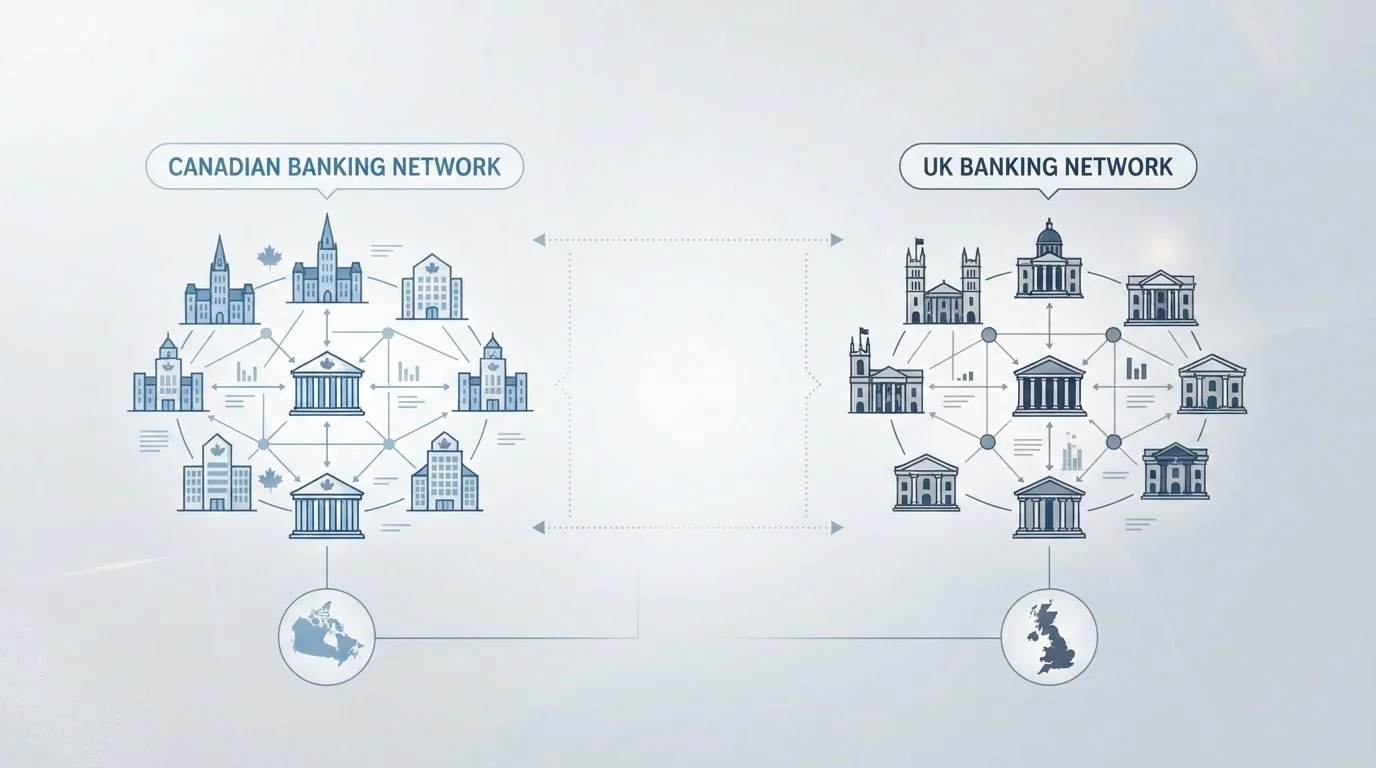
Interac is a Canadian payment network. It is owned by a consortium of Canadian financial institutions and moves money between accounts held at Canadian banks and credit unions. When you send an Interac e-Transfer, the funds travel through rails that only Canadian institutions are plugged into. Barclays, HSBC UK, Lloyds, NatWest, Santander UK — none of them participate in this network. They never have, and there is no commercial reason for them to start. The UK already runs the Faster Payments Service and a mature open banking framework, which handle instant transfers domestically without borrowing a foreign system.
So when a page tells you about “the best Interac casinos in the UK,” it is describing a door with no handle on your side. The casino might list Interac in its cashier. Your bank still cannot send money through it. The transaction fails at the first step because there is no Canadian account on your end to initiate the transfer.
There is exactly one exception, and it is narrow: a Canadian national living in the UK who still holds an active Canadian bank account. That person can log in to their Canadian online banking and send an e-Transfer like any Canadian would. For everyone else — British citizens, EU nationals, anyone whose money sits in a UK institution — Interac is a non-starter. The geography of your bank account decides this, not where you happen to be sitting.
This matters because a lot of casino marketing blurs that line. It implies a UK player can “access” Interac through offshore casinos, when the truth is that the offshore casino is irrelevant if your bank cannot reach the network. The casino is the destination. Interac is the road. If the road does not run to your town, the destination does not help.
Can I use Interac at online casinos in the UK?
Not with a UK bank account. Interac is a Canadian payment network that only connects accounts at Canadian banks and credit unions. UK banks do not participate in it, so a British player cannot initiate an Interac transfer regardless of which casino they pick. The only users are Canadian expats with active Canadian accounts.
Why UKGC-Licensed Casinos Don’t Accept Interac
Every legal online casino serving UK residents holds a licence from the UK Gambling Commission. The UKGC public register lists every business holding an active remote casino operating licence, and not one of them accepts Interac. People assume this is a ban, something the regulator forbade. It is not. The Commission has no rule against Interac. The absence is simpler and more stubborn than a prohibition.
A casino can only offer payment methods that its customers’ banks can actually use. UKGC operators serve UK players, and UK players bank with UK institutions, and UK institutions are not on the Interac network. Offering Interac would be like a British shop installing a card terminal that only reads cards issued in Canada. The terminal would sit there, technically present, serving nobody. There is no business case for integrating a payment rail that zero percent of your licensed customer base can touch.
Compare that with what UKGC casinos do offer, and the logic becomes obvious. Debit cards from Visa and Mastercard work at effectively every licensed site because every UK bank issues them. PayPal, Skrill and Neteller plug into UK accounts through regulated e-money channels. Trustly rides the open banking framework that UK banks are legally required to support. Apple Pay and Google Pay tokenise those same UK debit cards. Paysafecard sells vouchers in British shops. Each of these methods has a path into a UK bank account. Interac has none.
The credit card detail is worth flagging because people confuse the two situations. UKGC casinos genuinely are banned from accepting credit cards — that prohibition came into force on 14 April 2020 under the Commission’s licence conditions, after regulators decided gambling on borrowed money was a harm worth stamping out. That is a real rule with a real date. Interac’s absence is a different animal entirely: no rule, just infrastructure that was never connected.
Could this change? Realistically, no. For a UKGC casino to accept Interac, UK banks would first have to join the Canadian network, and they have no incentive to do so when domestic instant-payment systems already serve the market. Interac itself has shown no interest in building UK banking relationships, because its entire value proposition is being the Canadian system for Canadians. The two sides are not drifting towards each other. They are standing in different countries, doing the same job for different populations, with no bridge planned.

Why don’t UK casinos accept Interac?
Because Interac only moves money between Canadian bank accounts, and UK casinos serve customers who bank with UK institutions. UK banks are not part of the Interac network, so a licensed casino offering it would be providing a method none of its players could use. It is a banking infrastructure gap, not a regulatory ban.
Will UKGC casinos ever accept Interac in the future?
Almost certainly not. Interac would require UK banks to join a Canadian payment network, which offers them nothing when domestic systems like Faster Payments and open banking already handle instant transfers. Neither Interac nor UK institutions have any commercial reason to build that bridge, so the gap is structural and durable.
Offshore Casinos That Accept Interac (For Canadian Expats Only)
Here is where an honest answer has to be precise. Yes, offshore casinos — sites licensed in Malta, Kahnawake, Curaçao or Anjouan rather than by the UKGC — do list Interac in their cashiers. And yes, a Canadian expat in the UK with a live Canadian bank account can use it there. But read that sentence twice. The gatekeeper is the Canadian bank account, not the casino. Without it, every operator below is as inaccessible to you as a UKGC site, Interac-wise.
These operators are also, by definition, outside UK regulatory protection. They do not connect to GAMSTOP, the national self-exclusion scheme. They do not offer the UKGC’s mandated dispute resolution routes. If a payout goes missing, your recourse is a licensing body in another jurisdiction, not the Commission in Birmingham. That trade-off deserves its own section, and it gets one further down. For now, the breakdowns below describe what each site actually is — because if you are the rare reader who can use Interac here, you should at least know who you are handing money to.
The table lays out the shape of the field. The detailed profiles follow.
| Casino | Licence | Est. | Min Deposit | Withdrawal Time | Key Feature |
|---|---|---|---|---|---|
| Jackpot City | MGA + Kahnawake | 1998 | C$10 | 1–3 working days | Longest track record, progressive jackpots |
| Spin Casino | MGA + UKGC | 2001 | C$10 | 1–2 working days | Dual-licensed, Interac only on MGA version |
| Ruby Fortune | Kahnawake | 2003 | C$10 | 1–3 working days | CasinoRewards loyalty programme |
| Betway | UKGC + MGA | 2006 | £10 / C$10 | 1–2 working days | Publicly traded, no Interac on UK version |
| 32Red | UKGC | 2002 | £10 | 1–2 working days | Veteran UK brand, no Interac on UK version |
| Gaming Club | MGA | 1994 | C$10 | 1–3 working days | Claims earliest launch of the group |
| Lucky Nugget | MGA | 1998 | C$10 | 1–3 working days | Microgaming library, Klondike theme |
| Royal Vegas | MGA | 2000 | C$10 | 1–3 working days | Larger game catalogue |
| Platinum Play | MGA | 2004 | C$10 | 1–3 working days | Digmedia-group sister brand |
| Euro Palace | MGA | 2010 | C$10 | 1–3 working days | Youngest of the Microgaming group |
| Katanaspin | Curaçao + Anjouan | 2024 | varies | Not published | Newest, accepts crypto alongside Interac |
Jackpot City
Jackpot City has been running since 1998, which makes it the elder statesman of this list — 28 years is a long time for an online casino to keep its lights on without a scandal large enough to sink it. It is owned and operated by Bayton Ltd and carries two licences: one from the Malta Gaming Authority (MGA/B2C/145/2007) and one from the Kahnawake Gaming Commission (#00902 C15-0068). The Kahnawake licence is the Canadian-adjacent credential, which is why the brand leans hard into the Canadian market and accepts Interac e-Transfer for players with Canadian accounts. Its game library runs past 1,000 titles, built mostly on Microgaming’s Games Global engine with live tables from Evolution.
For the Canadian expat who can actually use it, Jackpot City’s pitch is longevity and the Mega Moolah progressive jackpot network, which has produced some of the industry’s largest recorded payouts. The welcome offer climbs to C$1,600 across the first few deposits — and before you get excited about the “free” money, remember that a casino handing out four-figure bonuses is not a philanthropist. It is buying your deposit history, and the wagering terms are how it recoups the outlay. Interac withdrawals are advertised at one to three working days, a figure stated by the operator rather than one with any external guarantee behind it.
Spin Casino
Spin Casino is Jackpot City’s corporate sibling — same parent, Bayton Ltd, same core Microgaming catalogue of around 600 titles. What makes it genuinely instructive for a UK reader is its licensing split. Spin Casino holds both a Malta Gaming Authority licence (the same MGA/B2C/145/2007 Bayton operates its brands under) and a UK Gambling Commission licence (check the number on the public register). That means there are effectively two versions of Spin Casino: the UKGC version a British player lands on, and the MGA version serving other markets.
The catch sits exactly on that line. The UKGC version does not accept Interac, because — as covered above — UK players can’t use it anyway. The MGA version does accept Interac, but you only reach it with a Canadian bank account and typically a Canadian point of access. So for 99% of UK readers, Spin Casino is simply a regulated UK casino with ordinary British payment methods, and Interac is a feature on a door they will never walk through. For the Canadian expat, it is one of the few names here that also happens to carry UK regulatory credentials on its other face. The welcome package on the Canadian side reaches C$1,000.
Ruby Fortune
Ruby Fortune launched in 2003 under Baytree Interactive Ltd, part of the CityViews group, and holds a Kahnawake Gaming Commission licence (ID 00892, reissued 16 February 2022). Unlike the Bayton brands, it does not carry a Malta licence — Kahnawake is its primary credential, supplemented by a separate Alcohol and Gaming Commission of Ontario registration for players in that specific Canadian province. The catalogue sits around 450 games drawn from Games Global, Pragmatic Play and Evolution, with Interac e-Transfer available to Canadian account holders.
Its distinguishing hook is the CasinoRewards programme, a cross-brand loyalty scheme that lets points earned at Ruby Fortune carry across a family of affiliated sites. For a committed player that compounds into something; for a casual one it is a reason to read the fine print before assuming loyalty “rewards” are worth chasing. The Ontario licence is a genuine mark of compliance with Canada’s regulated market, though UK-based expats would be using the Kahnawake-licensed international version rather than the Ontario one. Welcome offers reach C$750 across three deposits, with Interac withdrawals quoted at one to three working days.
Betway (International Version)
Betway is the heavyweight of this list by corporate standing. It is owned by Super Group, which trades publicly on the New York Stock Exchange under SGHC — a level of financial transparency that private offshore operators simply do not match. It launched in 2006 and holds a UK Gambling Commission licence (39372) alongside Maltese and other credentials. Its casino runs 500-plus games from the major studios, bolted to one of the better-known sportsbooks in the business.
For a UK player, Betway is a regulated UKGC casino, full stop — and the UKGC version does not offer Interac. The brand’s international, MGA-licensed face may list Interac for Canadian-market players, but a British resident is routed to the UK site with ordinary British payment rails. Betway earns its place in this guide less as an “Interac casino” and more as a reference point: here is a serious, publicly listed operator with every incentive to offer whatever payment methods its UK customers could use, and it still does not offer Interac to them. If the biggest name in the room cannot make Interac work for UK players, that tells you the barrier is real and not a matter of some smaller site simply not bothering.
32Red (UK Version)
32Red is one of the longest-serving brands in UK online gambling, operating since 2002 and holding a UK Gambling Commission licence (check the number on the public register). It is owned by Kindred Group, which French lottery operator FDJ acquired in 2024, and over the years has held Gibraltar and Malta credentials alongside its UK one. The casino carries a sprawling catalogue — 4,500-plus games across slots, live dealer and table formats — and a reputation built on customer service rather than flashy promotions.
Like Betway, 32Red is included here as a corrective rather than a recommendation for Interac. The UK version a British player uses does not accept Interac and never has; its cashier runs on debit cards, PayPal and Trustly. The point is instructive: 32Red has had two decades and a heavily regulated parent company to integrate any payment method its UK players could benefit from, and Interac never made the cut, because the UK banking network it would depend on does not exist. A brand this established does not skip a payment method out of laziness. It skips it because the method is unusable here.
Gaming Club
Gaming Club wears its age as a badge, claiming a 1994 launch that would make it one of the oldest online casinos anywhere — though ownership and licensing have shifted across those three decades. Today it sits inside the Bayton Ltd family, running under the group’s Malta Gaming Authority licence (MGA/B2C/145/2007) and offering Interac e-Transfer to Canadian account holders. The library is a focused 500 or so Microgaming-powered titles rather than a sprawling multi-studio buffet.
It is the lower-profile cousin of Jackpot City and Spin within the same corporate house, and the offering reflects that: a solid, unremarkable Microgaming casino with a modest welcome package around C$350. For the Canadian expat weighing it against its sister brands, there is little mechanical difference in how Interac behaves — same parent, same rails, same one-to-three-day withdrawal window the operator advertises. The main reason to pick it over Jackpot City would be preference for a smaller, less bonus-heavy environment, which is a quieter sell than the group’s flagship but an honest one.
Lucky Nugget
Lucky Nugget dates to 1998 and belongs to the same Bayton Ltd stable, licensed through the group’s Malta Gaming Authority credential. Its catalogue runs around 400 Microgaming titles wrapped in a gold-rush, Klondike-era theme that has aged about as gracefully as you would expect from branding chosen in the late nineties. Interac e-Transfer is available to Canadian account holders, with the familiar one-to-three-working-day withdrawal estimate.
There is not much that separates it mechanically from the other Bayton Microgaming brands — the licence, the engine and the Interac handling are shared across the family. The welcome offer stretches to C$1,000, which on paper looks generous next to Gaming Club’s C$350, but the headline figure matters less than the wagering requirement attached to it, and that is where “generous” bonuses quietly earn their keep for the house. For a Canadian expat already comfortable in the Microgaming ecosystem, it is a serviceable option; for anyone else it is one more interchangeable brand in a crowded group.
Royal Vegas
Royal Vegas opened in 2000 and is another Bayton Ltd property under the group’s Malta licence, carrying a slightly larger library than its siblings — roughly 700 games spanning Microgaming slots and Evolution live tables. The Vegas branding is exactly what it sounds like, and the Interac e-Transfer handling matches the rest of the family: available to Canadian account holders, withdrawals quoted at one to three working days.
Its edge within the group is catalogue size. Where Lucky Nugget and Gaming Club keep things lean, Royal Vegas offers more variety, including a broader live dealer spread. The welcome package reaches C$1,200, slotting it between Jackpot City and the smaller brands. For the narrow audience that can use Interac here, the practical calculus is the same across all Bayton sites — the payment behaves identically — so the choice comes down to game selection and bonus terms rather than anything to do with Interac itself. Royal Vegas simply gives you more rooms to wander through.
Platinum Play
Platinum Play launched in 2004 and sits under Digmedia Ltd, a sister company within the broader Bayton corporate group, operating on its own Malta Gaming Authority licence. The catalogue runs about 600 Microgaming-powered games, and Interac e-Transfer is offered to Canadian account holders in the same manner as the Bayton-branded sites. The welcome offer reaches C$800.
The Digmedia branding is the main thing distinguishing it from the Bayton-labelled brands, though the corporate family tree is close enough that the player experience, game engine and Interac mechanics are near-identical. In practice this is a mid-table option within an already homogeneous group — competent, licensed, and functionally interchangeable with Euro Palace, its closest Digmedia sibling. If you have seen one well-run Microgaming casino from this stable, you have a very good idea of what Platinum Play offers, down to the one-to-three-day Interac withdrawal estimate the operator states.
Euro Palace
Euro Palace is the youngest of the Microgaming-group brands, launched in 2010 under Digmedia Ltd on a Malta Gaming Authority licence. It runs roughly 600 games from Games Global and Evolution, carries a European-flavoured theme, and offers Interac e-Transfer to Canadian account holders with the same one-to-three-working-day withdrawal window as its relatives. The welcome package tops out around C$600.
As the newest sibling in a group of near-identical casinos, Euro Palace has the cleanest interface of the bunch simply by virtue of being built later, but it inherits the same licence, the same engine and the same Interac handling as Platinum Play and the Bayton brands. There is no meaningful payment advantage to choosing it — the differentiators are cosmetic. For a Canadian expat sampling the group, it is a perfectly reasonable entry point; for a UK player without a Canadian account, it is, like all the others, a cashier full of methods they cannot reach.
Katanaspin
Katanaspin is the outlier, and the one that should make you most cautious. It launched in 2024 under Caishxn Holding B.V. and holds a Curaçao Gaming Authority licence (reference OGL/2024/1546/0828), and it also advertises an Anjouan credential that you should check for yourself before relying on it. Both Curaçao and Anjouan sit at the lighter-touch end of the regulatory spectrum — a long way from the oversight the MGA or UKGC applies. The site is large and modern, advertising 6,000-plus games across slots, live dealer and sports betting, and it accepts Interac alongside cards and several cryptocurrencies.
That breadth is the draw and the warning in one. A brand two years old, licensed in jurisdictions known for minimal enforcement, dangling a 450% welcome bonus up to €450, is exactly the profile that rewards reading the terms before the hype. There is no verified payout track record yet — the operator is too new for anyone to have stress-tested its Interac withdrawals over time, so the usual one-to-three-day assurance carries less weight here than it does at a brand with 20 years of history. For a Canadian expat drawn to its game count and crypto options, Katanaspin is usable; it is also the site on this list where the gap between what is advertised and what is proven is widest.

Which casinos accept Interac for UK players?
Strictly speaking, none — not in the sense most people mean. Offshore sites like Jackpot City, Ruby Fortune and Katanaspin list Interac, but only players with Canadian bank accounts can use it. A UK resident banking with a UK institution cannot complete an Interac transfer at any of them, licensed or offshore.
Can I use Interac if I’m a Canadian living in the UK?
Yes, if you still hold an active Canadian bank account. Interac works from your Canadian online banking regardless of where you physically live, so a Canadian expat in the UK can fund an offshore casino that accepts it. You would be playing outside UKGC protection, with recourse only to the casino’s offshore regulator.
How Interac Works at Online Casinos
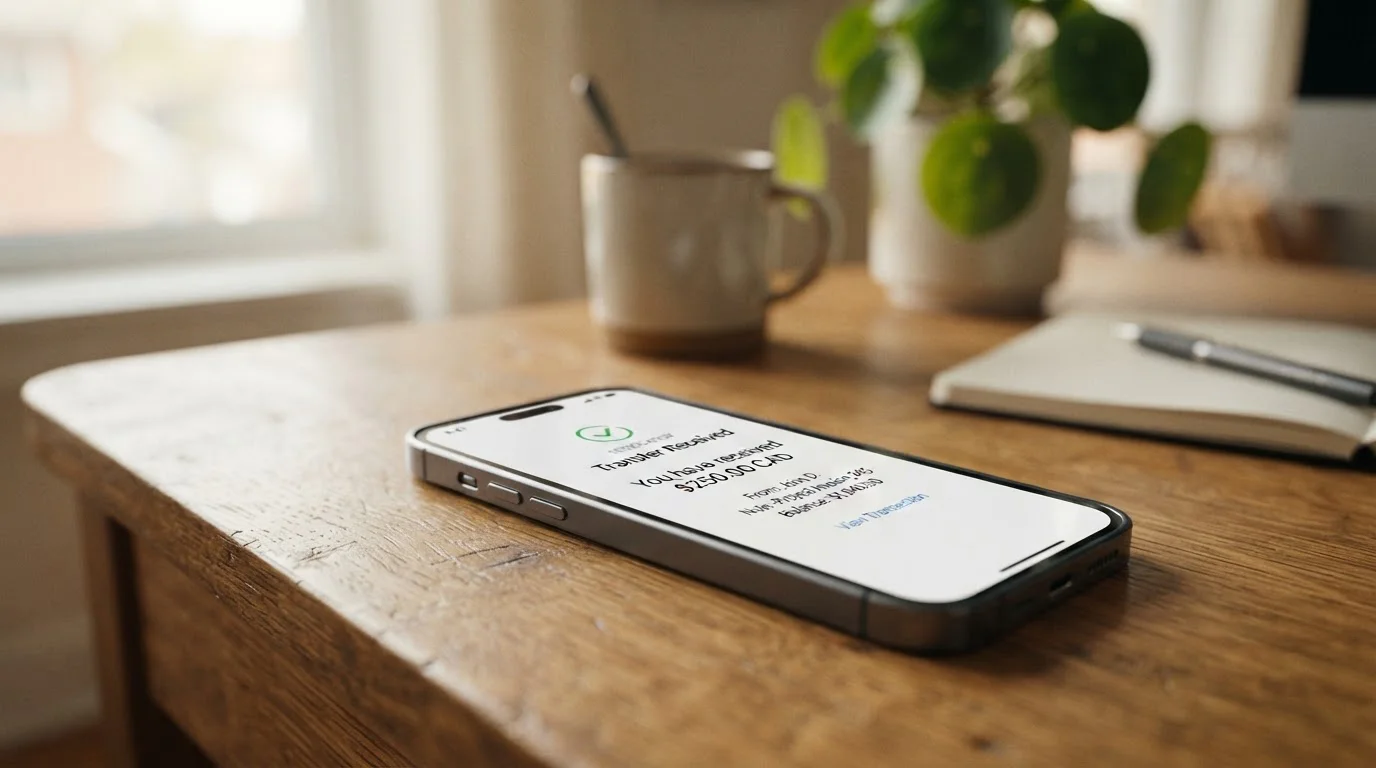
The mechanics are simple, and the requirement is absolute. Interac e-Transfer is a bank-to-bank transfer service that moves Canadian dollars between accounts held at participating Canadian financial institutions. Both sender and recipient need to be plugged into the network. For casino deposits, that means you log in to your Canadian online banking, initiate an e-Transfer to the casino’s registered email address, set a security question and answer if the casino does not use Autodeposit, and hit send. The casino receives a notification, claims the transfer by answering the question or through auto-acceptance, and credits your casino balance. The money never touches a card network or a third-party wallet — it is direct bank-to-casino within Canadian banking rails.
Withdrawals run in reverse. The casino initiates an e-Transfer to your email address or mobile number, you get a notification, log in to your Canadian banking app, answer any security question if required, select which account to deposit it into, and the money lands. The technology is fast — transfers typically settle within minutes to half an hour — but casinos add their own processing time on top, which is why the advertised one-to-three-working-day window exists. That delay is not Interac’s fault; it is the operator checking compliance boxes before they release the funds.
Interac e-Transfer Explained
Interac e-Transfer dates back to the early 2000s and is now the default person-to-person payment method for Canadians, processing over one billion transactions annually across the country by 2024. It is owned by Interac Corp, which is itself owned by a consortium of Canada’s major banks and credit unions. That ownership structure is why the service is embedded so deeply into Canadian banking — every major domestic institution has a stake in making it work smoothly, so it shows up in every online banking interface and mobile app as a standard feature.
The technical requirement is straightforward: both the sender and the recipient must have accounts at institutions connected to the Interac network. That network exists only in Canada. No UK bank, no European bank, no American bank is part of it, because Interac is a domestic Canadian system built for domestic Canadian needs. When you try to send an e-Transfer from a Barclays account, the transaction fails before it starts — not because Barclays blocked it, but because Barclays is not on the network in the first place. There is no destination address for the money to route to.
From 2017 onward, Interac introduced Autodeposit, which lets the recipient pre-register their email or mobile number and skip the security question step. Most Canadian online casinos now use Autodeposit, which makes deposits faster and eliminates the step where you have to remember what you set as the answer. For the user it just means the transfer goes through the moment you approve it in your banking app, with no further action needed.
Deposit Process Step-by-Step
You log in to your Canadian online banking — either through a web browser or a mobile app from your bank. You navigate to Interac e-Transfer, usually listed under payments or transfers. You enter the casino’s registered email address as the recipient, which the casino provides in its cashier when you select Interac as your deposit method. You type in the amount you want to send, typically starting at C$10 and capped by your bank’s daily transfer limit, which for most accounts sits somewhere between C$3,000 and C$10,000.
If the casino uses Autodeposit, you hit send and you are done. If not, you set a security question and type an answer the casino will need to claim the funds — the standard is something simple like “What is the casino name?” with the answer being the exact brand. You confirm the transfer. Your bank debits your account instantly and sends a notification to the casino’s email. The casino either auto-accepts the transfer or manually answers the security question, and within minutes your casino balance reflects the deposit. The entire process, once you have done it the first time, takes about two minutes.
Withdrawal Process Step-by-Step
You request a withdrawal in the casino cashier, select Interac e-Transfer, and provide the email address or mobile number tied to your Canadian bank account. The casino processes the request, which involves compliance checks and account verification if it is your first cashout. That stage can take anywhere from an hour to three working days depending on the operator’s internal process. Once approved, the casino sends an Interac e-Transfer to the email or mobile you provided.
You receive a notification — usually an email titled something like “You have received an Interac e-Transfer” — with a link. You click the link, which takes you to a page asking you to select your financial institution. You pick your bank from the dropdown, and it redirects you to your online banking login. You sign in, and the banking interface shows the pending transfer with the amount and sender. If a security question is set, you answer it. If Autodeposit is enabled on your account, there is no question — you just select which account to deposit the funds into. You confirm, and the money lands in your chosen account within seconds.
That is the user-facing flow. What makes it unavailable to UK players is not any step in that sequence, but the fact that step one requires a Canadian bank login and step two requires the recipient bank to be on the Interac network. If either side is missing, the transaction never initialises.
What is Interac and how does it work?
Interac is a Canadian payment network that moves money directly between Canadian bank accounts. For casino use, you send an e-Transfer from Canadian online banking to the casino’s email address, the casino claims it, and your balance is credited within minutes. UK players cannot use it because UK banks are not part of the network.
How long do Interac withdrawals take at online casinos?
Interac itself processes transfers within minutes, but casinos add their own approval time before initiating the payout. Operators typically quote one to three working days, though some settle faster, and a first withdrawal can take longer while documents are checked. The delay is the casino’s compliance and fraud checking, not the payment method.
UK Payment Alternatives to Interac That Actually Work
If you bank in the UK and want instant deposits with fast withdrawals, you are not looking for Interac. You are looking for what Interac does — direct bank transfers with minimal friction — and the UK has its own versions that work better because they were built for the infrastructure you actually have access to. The table below maps the field. The breakdowns that follow explain what each one offers and who it suits.
| Method | Speed | Withdrawal Time | UKGC Acceptance | Key Advantage |
|---|---|---|---|---|
| PayPal | Instant | 24 hours (often under 4 hours) | ~40 casinos | Most trusted e-wallet, card details kept private |
| Trustly | Instant | 15 minutes to 24 hours | Wide | No account required, closest to Interac |
| Visa/Mastercard Debit | Instant | 1–3 working days | Universal | Accepted everywhere, no setup |
| Apple Pay | Instant | 1–3 working days (via card) | Growing | Biometric security, tokenised card details |
| Google Pay | Instant | 1–3 working days (via card) | Growing | Android equivalent, same tokenisation |
| Skrill | Instant | 24–48 hours | Wide, often excluded from bonuses | Established e-wallet, lower trust than PayPal |
| Neteller | Instant | 24–48 hours | Wide, often excluded from bonuses | Skrill’s sister product, functionally identical |
| Paysafecard | Instant | N/A (deposit-only) | Select sites | Prepaid voucher, no bank details shared |
PayPal
PayPal is the e-wallet UK players reach for when they want the convenience of keeping card details out of a casino’s database without sacrificing speed or trust. It is operated by PayPal Holdings, a publicly traded company on Nasdaq under the ticker PYPL, which gives it a level of institutional heft that smaller e-wallet brands simply do not carry. It launched in 1998, was acquired by eBay in 2002, spun off as an independent entity in 2015, and is authorised by the Financial Conduct Authority in the UK as an e-money institution. About 40 UKGC-licensed casinos accept it as of 2026, which is not universal but covers the major operators.
Deposits are instant — you log in to your PayPal account at the casino cashier, authorise the amount, and the balance updates immediately. Withdrawals typically process within 24 hours for verified accounts, though some of the faster UKGC casinos push PayPal payouts through in under four hours if you have completed identity checks upfront. There are no fees from the casino side for using PayPal, though the service itself may charge currency conversion fees if you are holding a balance in a non-GBP currency. The main value is separation: your card number or bank details stay with PayPal, and the casino only sees your email address.
The trade-off is acceptance. Not every UKGC casino takes PayPal, and some that do exclude it from welcome bonus eligibility, though that is less common than with Skrill or Neteller. For a player who already uses PayPal for other online purchases, it is the smoothest option. For someone who would need to set up an account just for casino deposits, a debit card is faster and works everywhere.
Trustly
Trustly is the closest functional equivalent to Interac that a UK player can actually use. It is an independent open banking payment provider, founded in Sweden in 2008, majority-owned by private equity firm Nordic Capital and unconnected to PayPal. It is authorised as a payment institution by the Swedish Financial Supervisory Authority and, for its UK business, by the Financial Conduct Authority, and it plugs directly into your bank account without requiring you to register for a separate Trustly account or remember a separate login.
When you select Trustly at a casino cashier, you pick your bank from a dropdown, get redirected to your own online banking login via Trustly’s secure API, authorise the payment, and the funds settle instantly. No middleman balance, no e-wallet to top up, no third party holding your money — it is a direct bank-to-casino transfer built on the Payment Services Directive 2 framework that UK banks are legally required to support. That is why adoption has grown sharply at UKGC casinos since 2020: the infrastructure was already mandated, and Trustly just rides it.
Withdrawals through Trustly are where it outperforms almost everything else. Some UKGC casinos process Trustly cashouts in as little as 15 minutes, with most clearing within a few hours to 24 hours. That speed comes from the same open banking rails: the casino initiates a direct credit to your account, and there is no card network or e-wallet approval step to slow it down. Minimum deposits are typically £10, and there are no fees from Trustly or the casino side. If you want the Interac experience without needing a Canadian bank, Trustly is mechanically the nearest match.
Visa/Mastercard Debit
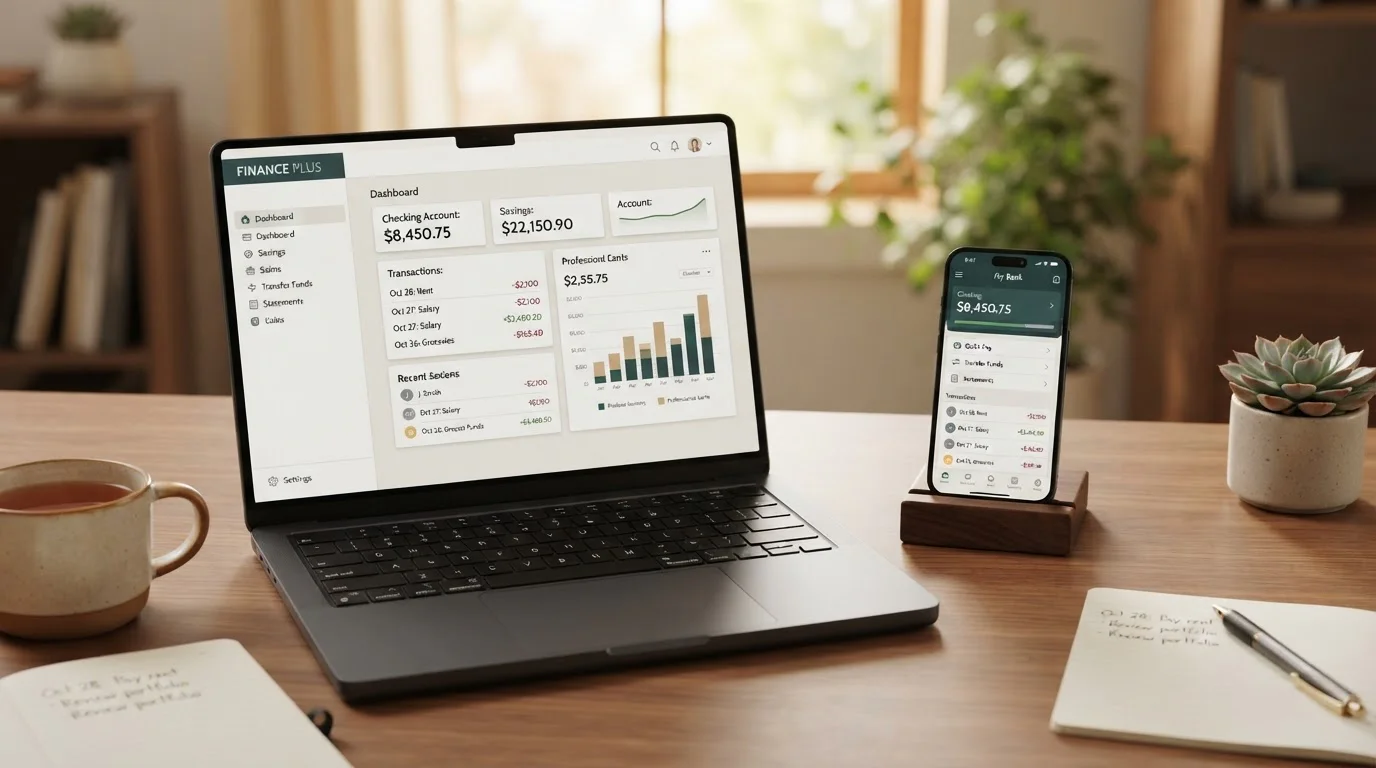
Debit cards are the default for a reason. Every UKGC-licensed casino accepts them, every UK bank issues them, and they require zero setup beyond what you already did when you opened your account. Visa Inc. and Mastercard Inc. run the card networks; individual cards are issued by FCA-regulated banks like Barclays, HSBC, Lloyds, NatWest and Santander. Deposits are instant, typically starting at £5 or £10 depending on the casino’s minimum, and there are no fees from the casino or card network side, though a few UK banks have taken to blocking gambling transactions under their own anti-gambling policies — worth checking with your bank if a deposit gets declined.
Credit cards are banned for UK gambling as of 14 April 2020, under the UKGC’s licence conditions, so only debit cards work here. Withdrawals back to your card usually take one to three working days, though some casinos now offer Fast Funds through Visa Direct or Mastercard Send, which can land same-day if your bank supports it. The card number is shared with the casino during the transaction, which is where mobile wallets like Apple Pay add a layer on top, but for straightforward speed and universal acceptance, a debit card is hard to beat.
The downside is lack of separation. If you prefer keeping your banking details away from gambling operators — whether for privacy, security or simple preference — an e-wallet or Trustly makes more sense. But for a player who just wants to deposit, play and cash out without setting up another account, debit cards are the path of least resistance.
Apple Pay & Google Pay
Apple Pay and Google Pay do the same job from opposite sides of the phone ecosystem. Apple Pay launched in 2014 with UK rollout in 2015 and works on iPhones, iPads and Apple Watches through the Wallet app. Google’s wallet launched as Android Pay in 2015, reached the UK in 2016 and became Google Pay in 2018; it works across Android devices and web browsers. Both are tokenisation services rather than payment methods in their own right — they link to your existing Visa or Mastercard debit card and generate a one-time token for each transaction, so the casino never sees your actual card number.
Deposits are instant. You add your UK debit card to Apple Wallet or Google Pay once, then at the casino cashier you select the relevant option and authenticate with Face ID, Touch ID, fingerprint or PIN. The payment goes through in seconds. Minimum deposits are typically £5 to £10, matching standard debit card minimums. Withdrawals do not go “back to Apple Pay” or “back to Google Pay” — they return to the underlying debit card you linked, which means the usual one-to-three-working-day card withdrawal window applies. Some casinos support Fast Funds for quicker returns.
The advantage is security and convenience. Card tokenisation means even if a casino’s database leaks, your card number is not in it. The biometric step adds a layer against unauthorised use if someone else has your phone. Acceptance at UKGC casinos has grown steadily from 2020 onward, and most major operators now support both. The limitation is device dependency — Apple Pay only works on Apple hardware, Google Pay favours Android but also runs in Chrome on desktops. If you are already using either for other purchases, extending it to casino deposits is frictionless. If you are not, there is no reason to set it up just for gambling when a plain debit card does the job.
Skrill & Neteller
Skrill and Neteller are sister products under Paysafe Group, both FCA-authorised e-money institutions in the UK. Skrill was founded in 2001 as Moneybookers and rebranded in 2011; Neteller dates to 1999. They are functionally identical for casino purposes — instant deposits, 24-to-48-hour withdrawals, and wide acceptance at UKGC sites. The problem is that both are often excluded from welcome bonus eligibility, a legacy of players using e-wallets to circumvent bonus terms in the early 2010s. Casinos learned, and now many write Skrill and Neteller into their exclusion clauses.
Deposits through either service are instant once your e-wallet is funded, with minimums typically around £10. Funding the wallet itself can carry fees: Skrill has charged around 2% on wallet top-ups made by card, with bank transfers free. Neteller has similar fee structures. Withdrawals from the casino to your Skrill or Neteller account usually clear within a day or two, then pulling that money from the wallet back to your bank takes another step. Both services charge currency conversion fees if your wallet balance is not in GBP.
The case for using them over PayPal is narrow. They were popular in online gambling before PayPal was willing to serve the industry, so there is brand recognition among older players and a sense that they “understand” casino users. In practice, PayPal has caught up on acceptance and carries more mainstream trust, while Skrill and Neteller have the bonus-exclusion problem working against them. If you already have an account and it is funded, they are serviceable. If you are choosing from scratch, PayPal or Trustly make more sense for a UK player.
Paysafecard
Paysafecard is a prepaid voucher system owned by Paysafe Group and regulated as electronic money. You buy a voucher at a PayPoint retailer — corner shops, newsagents, petrol stations — or online, in denominations from £10 to £100. Each voucher carries a 16-digit PIN. At the casino cashier you select Paysafecard, enter the PIN, and the amount is credited instantly. No bank account, no card, no e-wallet — just cash exchanged for a code at a shop, then the code exchanged for casino credit.
The appeal is spending control and privacy. You can only deposit what you loaded onto the voucher, which caps your exposure. The purchase itself is anonymous — no name attached, no ID required at the point of sale. That anonymity does not carry through to the casino, though. UKGC sites still have to verify your identity under know-your-customer rules before they let you play, so Paysafecard does not let you gamble anonymously. It just means your banking details stay out of the transaction.
The catch is that Paysafecard is deposit-only. You cannot withdraw winnings back to a voucher — those have to come out via bank transfer, debit card or an e-wallet. That makes it a tool for controlling inflows rather than a full payment loop. Withdrawals via bank transfer typically take three to five working days, longer than e-wallet or card returns. Acceptance at UKGC casinos is decent but not universal, so check the cashier before you buy a voucher. For a player who wants to set a strict deposit cap or avoid linking a card to a casino, Paysafecard does what it claims. For anyone else, a debit card or Trustly is more flexible.
What are the best alternatives to Interac for UK players?
Trustly is the closest match — instant bank transfers with no separate account, fast withdrawals, and wide UKGC acceptance. PayPal is the most trusted e-wallet. Debit cards work everywhere. Apple Pay and Google Pay add biometric security. All are built for UK banking and avoid the Canadian-account requirement that makes Interac unusable here.
Do I need a Canadian bank account to use Interac?
Yes. Interac only transfers money between accounts at Canadian banks and credit unions. If your bank is outside Canada, you cannot send or receive an Interac e-Transfer, so the payment method is off-limits regardless of which casino lists it. Where you live does not matter; where your account is held does.
What You Give Up Using Offshore Casinos Instead of UKGC Sites
The Canadian expat who can technically use Interac at an offshore casino is making a trade. The trade is regulatory protection for payment-method convenience. That is not a moral judgement — it is a mechanical fact. UKGC-licensed sites operate under a framework of player safeguards that offshore operators, by definition, do not. The question is whether you know what you are giving up, because the casino certainly is not going to spell it out in its welcome email.
GAMSTOP Self-Exclusion
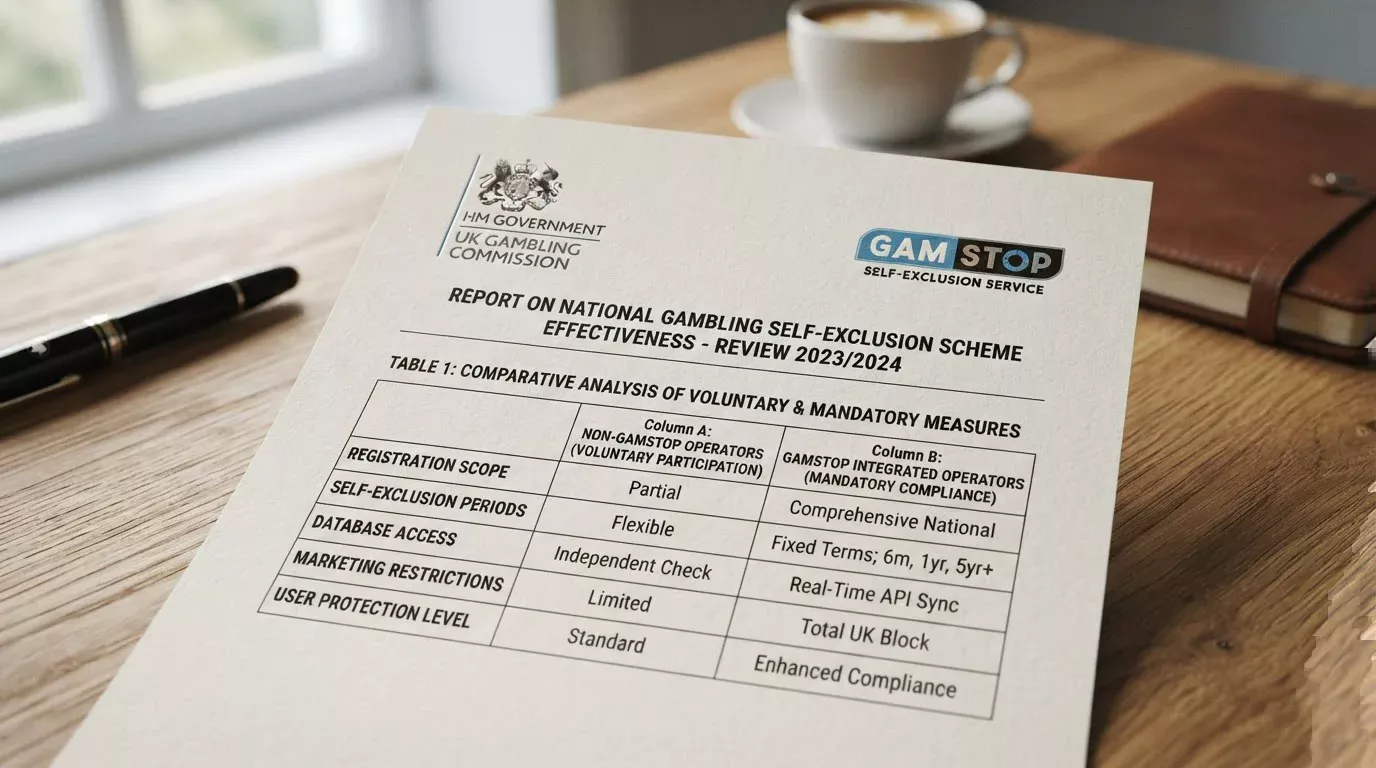
GAMSTOP is the UK’s national self-exclusion scheme, and every UKGC-licensed operator is required to integrate with it. When you register for GAMSTOP, your details go into a central database that all licensed casinos and betting sites check against in real time. If you try to open an account at any of them during your exclusion period — six months, one year, or five years, depending on what you chose — you get turned away before the signup completes. That coverage is automatic, blanket, and mandatory. The casino does not get a choice about whether to honour it.
Offshore casinos do not connect to GAMSTOP because they are not subject to UKGC licensing conditions. An MGA, Kahnawake, Curaçao or Anjouan site has no legal obligation to check the UK exclusion register, so a GAMSTOP exclusion gives you no protection there.
For the narrow group this guide addresses — Canadian expats using Interac — this gap might not seem urgent, but it matters if your gambling ever tips from recreation into compulsion. If you have self-excluded through GAMSTOP, the exclusion exists to protect you, and offshore sites are not a way round it — they are exactly the kind of site to stay away from. If you assume offshore casinos are “basically the same” as UKGC ones because they look polished and take your money smoothly, you are wrong in a way that could cost you more than the deposit. GamCare and the National Gambling Helpline (0808 8020 133) offer free, confidential support.
UK Consumer Protections & ADR
UKGC licensees must offer Alternative Dispute Resolution through independent ADR providers approved by the Commission. If a payout dispute arises — the casino claims you breached terms, you claim they are stalling, the money is stuck — you can escalate to an ADR service like IBAS or eCOGRA’s eGAP, which reviews the case and issues a binding decision. That process is free to the player, and the casino is contractually obliged to comply with the outcome. It is not perfect, but it is a formal route that exists and has power.
Offshore operators based in Malta, Kahnawake, Curaçao or Anjouan are not required to provide UK-approved ADR. Some MGA casinos offer dispute resolution through Maltese schemes, which are credible, but Curaçao and Anjouan licensing is far more lax, and recourse often boils down to emailing the operator’s support team and hoping they care about their reputation enough to pay you. If they refuse, your options narrow to complaining on forums or accepting the loss. UK consumer law does not reach them, the UKGC has no jurisdiction, and taking a Curaçao casino to court from Britain is not economically viable over a four-figure payout.
That gap is not hypothetical. Offshore casinos do sometimes refuse withdrawals on spurious grounds, and when they do, a UK player has limited leverage. UKGC sites are not immune to disputes, but you have a regulator-backed resolution path. At offshore sites, you are trusting the operator’s goodwill and licensing body’s enforcement record, both of which are shakier the further you drift from established jurisdictions like Malta.
Licensing Oversight Differences
The UK Gambling Commission conducts regular audits, enforces strict responsible gambling standards, requires operators to tell customers how well their funds are protected on insolvency, and can revoke licences for breaches. It has the funding, the legal reach and the political mandate to do so, and it does — operators get fined or suspended often enough that the threat has teeth. MGA licensing, while not as stringent, still carries weight: Malta’s regulator has a reputation to protect within the EU, and it does pursue enforcement actions against licensed operators that step out of line.
Curaçao and Anjouan licensing is a different story. Until its 2023 reforms, Curaçao issued master licences to a handful of companies, which then sub-licensed hundreds of operators with minimal oversight. The new Curaçao Gaming Authority now licenses operators directly, but fees remain low, audits infrequent and enforcement largely reactive. Anjouan, an autonomous island of the Comoros, is similar, offering offshore licences with almost no meaningful regulatory infrastructure behind them. Operators choose these jurisdictions because they are cheap and permissive, and players who use them inherit that trade-off. The casino is less constrained, which can mean faster payouts or looser bonus terms, but it also means less accountability when something goes wrong.
If you are a Canadian expat prioritising Interac over regulatory protection, you are probably comfortable with that trade. Just know it is the trade you are making. A Curaçao or Anjouan site is not secretly UKGC-tier protection with a foreign logo. It is fundamentally lighter oversight, and the risk sits with you.
Are offshore casinos that accept Interac safe for UK players?
Safe from outright theft of your deposit — mostly yes, especially the MGA and Kahnawake brands. Safe in the sense of matching UKGC protections — no. You lose GAMSTOP, UK consumer law coverage and approved dispute resolution. Established brands carry less risk, but still more than a UKGC casino.
Deposits, Withdrawals, Limits and Fees
Interac imposes no fees on the user for sending or receiving an e-Transfer — the service is free within your Canadian banking relationship. Some banks cap the number of free transfers per month and charge after that, but the limits are generous enough that casino users rarely hit them. The typical daily sending limit for Interac e-Transfer sits between C$3,000 and C$10,000 depending on your bank and account verification level, and those limits apply to all your transfers combined, not just casino deposits. If you send C$2,000 to a casino and your limit is C$3,000, you have C$1,000 left for the day.
Casino minimums for Interac deposits are usually C$10 or C$20, occasionally as low as C$5 at smaller operators. Maximums vary wildly — some sites cap single deposits at C$1,000, others at C$5,000, and high-roller-friendly rooms may accept C$10,000 or more. Those caps are set by the casino, not by Interac. Withdrawals follow a similar range, though operators often impose weekly or monthly cashout limits regardless of method, so a C$10,000 win might have to be withdrawn in C$2,500 chunks over four weeks if that is what the casino’s terms stipulate.
Processing times are where the numbers stop being clean. Interac itself settles transfers within minutes, often under five if both sides are on Autodeposit. The one-to-three-working-day figure casinos quote is their own approval process, not the payment method. Deposits are instant because the casino can confirm the money arrived before crediting your balance. Withdrawals take longer because the casino checks your account, verifies you met wagering requirements if there was a bonus, runs fraud checks, and only then initiates the Interac transfer. Once they send it, the money lands in your account quickly. The wait is upstream.
No fees from the casino side is standard for Interac, at least at the brands this guide covered. Some offshore operators charge withdrawal fees for all methods as a revenue stream, but Interac-specific fees are rare. Currency conversion does not apply if you are depositing and withdrawing in Canadian dollars, which is typical for a Canadian-facing site. If a casino’s base currency is euros or pounds and you are funding from a Canadian account, check whether they convert at their own rate or pass it through to your bank — the spread can cost you more than a flat fee would.
For the UK player reading this hoping to find a workaround, the limits and fees are beside the point. You cannot hit an Interac deposit limit because you cannot initiate an Interac deposit. The infrastructure gap comes first, and the transactional details only matter to the narrow group who cleared that hurdle by holding a Canadian account.
Bonuses at Interac Casinos vs UK Alternatives
Casino bonuses are a cost of customer acquisition dressed up as a “gift,” and any guide that pretends otherwise is selling you something. The offshore Interac casinos listed earlier dangle the usual packages: C$1,600 at Jackpot City, C$1,000 at Spin, €450 at Katanaspin. Those numbers sound generous until you read the wagering requirement — typically 30x to 50x the bonus amount, sometimes including the deposit — and realise the house set the terms so most players forfeit the bonus by failing to clear it, or clear it at a loss after hundreds of spins.
Interac itself does not affect bonus eligibility at the offshore casinos that accept it. If the site offers a welcome bonus, and you deposit via Interac, you qualify. The payment method is not excluded the way Skrill and Neteller often are at UKGC casinos. That is a marginal advantage if you are someone who chases bonuses, though the smarter play is to weigh the bonus against its terms rather than the headline figure. A C$500 bonus with a 50x rollover is less valuable than a C$200 bonus with a 20x rollover, and both are less valuable than depositing what you were going to play with anyway and skipping the strings.
At UKGC casinos, which is where the UK player who cannot use Interac ends up, bonuses are smaller and more tightly regulated. Since 19 January 2026, wagering on any UK gambling promotion has been capped at 10x and mixed-product offers have been banned, which means lower headline offers but also clearer terms and less chance of getting trapped in an impossible wagering loop. PayPal, Trustly, debit cards — all qualify for bonuses at most UKGC sites. Skrill and Neteller are excluded more often than not, which nudges players towards methods the casino prefers. Paysafecard is a coin flip depending on the operator.
The offshore casino bonus advantage, such as it is, comes with the regulatory trade-off covered earlier. You might get a bigger welcome package, but you are playing at a site that does not have to honour UK consumer protections or GAMSTOP. The bonus is not free money. It is a lever the casino uses to get you through the door and keep you spinning long enough to give it back. If you are the sort of player who reads the terms, takes the bonus, clears it methodically and withdraws, congratulations — you are extracting value. If you are the sort who skims the terms and hopes for the best, the bonus is a trap, and where it is offered does not change that.
Game Selection: Does Payment Method Matter?
No. The games you can play at a casino have nothing to do with how you deposited. An offshore Interac casino and a UKGC PayPal casino both pull from the same pool of provider catalogues — slots from Pragmatic Play, NetEnt, Play’n GO; live tables from Evolution, Playtech, Ezugi; scratch cards and virtuals from whoever the operator signed deals with. If you fund Jackpot City via Interac and your friend funds Betway UK via Trustly, you will see plenty of overlap in the game library, because both sites are licensing content from the same studios.
The differences in game selection are driven by licensing, not payment rails. An offshore casino might carry titles that a UKGC operator drops because the British regulator flagged them as too volatile or the provider does not want to meet UK compliance standards. Some slots that were household names in the 2010s are no longer available at UKGC sites, or appear without their bonus-buy feature, which has been banned on UKGC slots since October 2021. That is a regulatory gap, not a payment-method gap.
Mobile play is equally indifferent to how you funded your account. Every offshore casino on the list above and every UKGC site run responsive web apps or dedicated mobile builds, and the payment method does not change that. You can deposit via Interac on a laptop and play slots on your phone, or deposit via Apple Pay on your phone and play live dealer on a tablet, and the casino does not care. The session follows your login, not your deposit channel.
What does differ between offshore and UKGC casinos is stake limits and game configuration. UK-licensed slots are subject to a minimum spin speed, a ban on autoplay and, since April and May 2025, stake limits on every online slot: £5 per spin for players aged 25 and over and £2 for those aged 18 to 24. Offshore casinos often let you spin faster, auto-spin longer, and bet higher because they are not bound by those rules. Those rules exist because faster, higher-stakes play is linked to greater harm, so their absence is a risk rather than a perk. And none of it has anything to do with Interac.
The bottom line: do not pick a casino for its payment options and then complain about the game library, or vice versa. Pick the casino for the games, the licence, the payout speed, the reputation. Then check whether it offers a payment method you can actually use. For the Canadian expat, Interac narrows the field to offshore operators, and that means accepting the offshore game selection. For the UK player, the payment methods that work all lead to UKGC casinos, and that means accepting the UK game selection. The payment is the access point, not the experience.
How to Choose: Offshore Interac Casino vs UKGC Alternative
Here is the decision tree stripped to its bones. If you hold an active Canadian bank account, you can use Interac at the offshore casinos listed earlier, and the trade you are making is regulatory protection for payment-method familiarity. You give up GAMSTOP, you give up UK ADR, you give up UKGC oversight, and in return you get to deposit and withdraw the way you are used to from Canada. Weigh that carefully: the convenience is small and the protections you lose are significant.
If you do not hold a Canadian bank account, the decision is made for you. Interac is not an option, full stop, so you are choosing between UKGC casinos with UK-compatible payment methods. That means PayPal, Trustly, debit cards, mobile wallets — all faster, better-integrated, and backed by stronger consumer protection than anything Interac offers even when it works. There is no loss here. The UK alternatives are not a downgrade from Interac; they are the methods built for the banking system you actually have.
The muddier case is the Canadian expat who could use Interac offshore but is weighing it against using a UK method at a UKGC site. The UKGC site gives you GAMSTOP if you ever need it, real dispute resolution if a payout goes sideways, and a licensing body that can actually sanction the operator if it misbehaves. The offshore Interac casino gives you the deposit flow you know from home and little else of substance. If you have any history of problem gambling, have ever self-excluded, have any concern about whether you can stop when you should, or simply prefer playing under a regulator that answers to British law, the UKGC site is the only responsible pick regardless of payment method.
There is no version of this where Interac is so much better than Trustly or PayPal that it justifies the regulatory trade-off on its own. Interac is convenient for Canadians because Canadian banks built their interfaces around it. For a UK-based player with UK alternatives, Trustly does the same job with better integration and faster payouts. Playing offshore to escape UK rules — stake limits, game restrictions or GAMSTOP — is not a payment decision, and it is not one we would recommend. Be honest with yourself about what you are choosing and why.
The casino industry rarely frames it this way, because “choose the site with better protection and skip the payment method you cannot use anyway” does not sell sign-ups. If you are a UK resident with a UK bank, Interac is a dead end and the alternatives work better. If you are a Canadian expat, Interac works but costs you regulatory cover. Make the trade with your eyes open, or do not make it at all.
Casino Deposit Methods UK 2026 – Compare Payment Options
Content created by the «Cashier Atlas» team