
UK Casinos Accepting Boku in 2026: The Fee Structure You Need to Know
 Available in GB
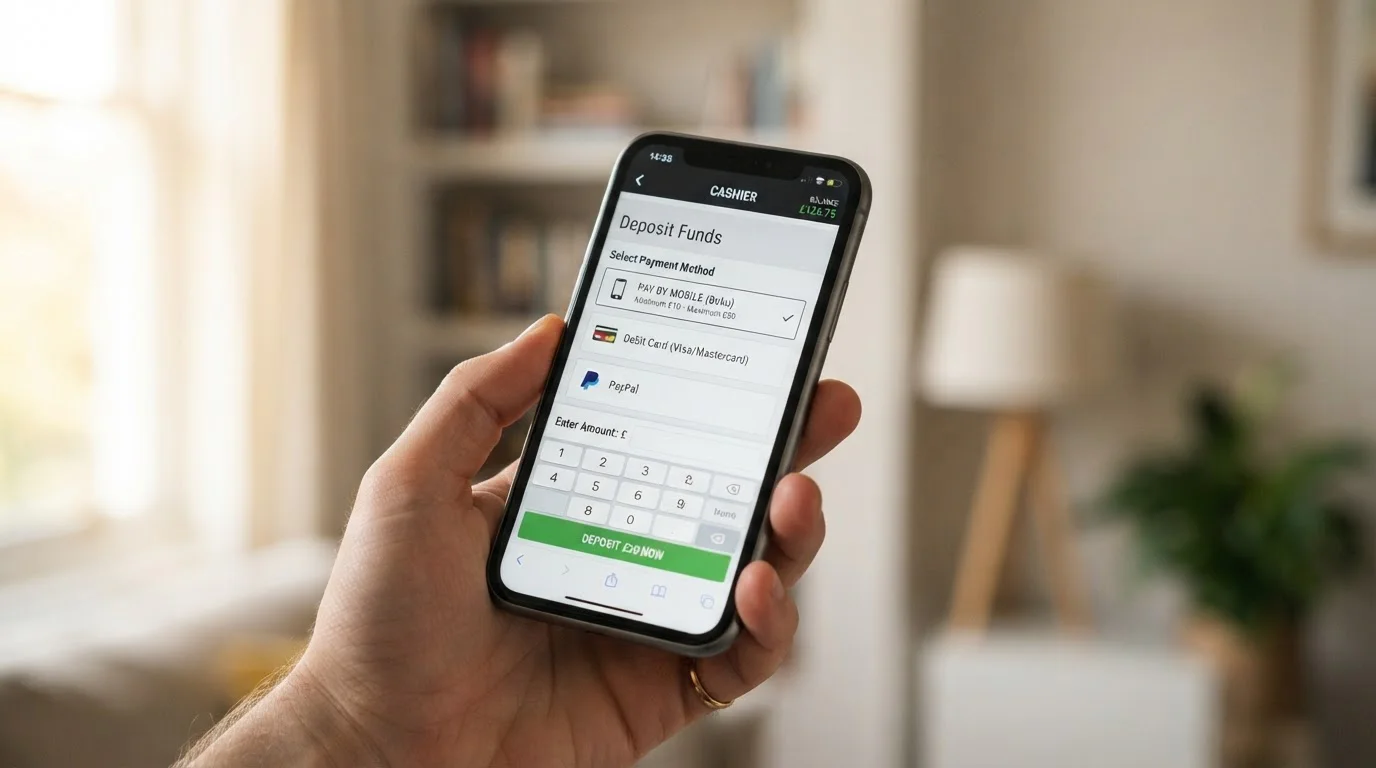
Boku has technically left the building. Fonix processes what players still call “Boku deposits.” The £30 cap per transaction stays put. And across 60-odd UKGC-licensed sites, only a handful charge nothing while the rest tack on £2.50 or worse.
That fee structure is the first thing to understand. If you’re depositing by phone bill in the UK during 2026, the first question is not “which casino” but “what will my bill actually show.” The second is whether the Boku brand you remember is still the rail moving your money. The third is why you cannot pull winnings back the same way.
Below you will find which operators accept phone bill payments via Fonix and similar aggregators, what each one charges, how the £30 transaction limit works at the network level, why monthly caps exist, and what happens when you try to withdraw. Casinos are not charities, phone bills are not current accounts, and a £10 deposit that costs £12.50 deserves a line in bold before the welcome bonus.
UK Casinos That Accept Boku in 2026 — The Full List
Five UKGC operators stand out for accepting phone bill deposits in 2026, with the critical split being fee structure. Three sites under Betable Limited charge nothing. Sixty-plus sites under Jumpman Gaming charge £2.50 flat. PlayOJO sits somewhere in the middle with operator-absorbed fees on a Fonix rail. The rest of the market either dropped the method entirely or runs niche aggregators with double-digit percentage markups.
| Casino | UKGC Licence | Phone Bill Fee | Min Deposit | Welcome Bonus | What Sets It Apart |
|---|---|---|---|---|---|
| IvyCasino | Betable Ltd (check register) | £0 | £10 | Up to £50 | Launched 2024, slots-heavy, fast withdrawals |
| Oreels | Betable Ltd (check register) | £0 | £10 | 100% up to £25 | Operating since 2017, longest Betable track record |
| Bet442 | AG Communications (check register) | Not published | £10 | 100% up to £100 | Sportsbook + casino hybrid, 2,300+ games |
| Jumpman Gaming sites | 39175 (60+ brands) | £2.50 | £10 | Varies by site | Amazon Slots, The Sun Play, Buffalo Spins, etc. |
| PlayOJO | SkillOnNet Ltd | £0 (absorbed) | £10 | 50 Free Spins | No-wagering model, OJOplus cashback |
MrQ discontinued phone bill deposits in 2026. The “pay by phone” page on their site confirms the method is no longer available, though debit cards and e-wallets still work. Casino.com followed suit, citing compliance changes without specifying which regulation triggered the removal.
IvyCasino — Fee-Free Phone Bill Deposits
IvyCasino is the younger of Betable Limited’s two fee-free UK brands, live since 2024. The operator is licensed by the UK Gambling Commission (check the number on the public register) and runs a slots-focused lobby with about 500 titles tilting towards Megaways, Jackpot King progressives, and the full Slingo catalogue. Phone bill deposits process via Fonix with zero surcharge: a £10 deposit appears as £10 on your mobile bill, no £2.50 markup, no percentage skim.
The welcome offer is 25% up to £50 on your first deposit, with 10× wagering on selected slots. Modest by headline standards, but simple to understand and within the 10× ceiling every UK bonus has had to respect since 19 January 2026. Withdrawals run 1–3 working days to debit cards or bank transfers after KYC clears, positioning IvyCasino as the “fast cashout” option within Betable’s network. The mobile app works on iOS and Android, though the browser site loads quickly enough that installing native software is optional rather than mandatory.
Oreels — Established Betable Brand
Oreels has been running on the Betable platform since 2017, making it the veteran among Betable’s fee-free phone bill operators. Grace Media (Gibraltar) Limited supplies the games, and the licence details in the site footer can be checked on the Commission’s public register. The game library runs deeper than IvyCasino at 1,000+ slots plus Evolution and Pragmatic live casino tables, and the site includes a sports betting section for combined punters.
Phone bill deposits work identically to IvyCasino: Fonix processing, zero fee, £10 minimum. The first-deposit bonus is 100% up to £25 if you start with £20 or more, with standard 10× wagering on selected slots. Withdrawal times match the 1–3 working day window common across Betable brands, and the platform has no fines or sanctions on its UKGC record as of 2026. Trustpilot reviews lean mixed, with game selection praised and verification delays flagged by a vocal minority.
Nine years of operating history beats a 2024 launch for peace of mind. The fee-free phone bill deposit remains Oreels’ primary differentiator in a market where most competitors charge £2.50 per transaction.
Bet442 — Sportsbook & Casino Hybrid
Bet442 arrived in 2024 as a separate brand run by AG Communications Limited rather than Betable, and its positioning targets a different slice: combined betting and casino players who want both pre-match odds and slot spins under one login. The casino section claims 2,300+ games, which is above-average depth for a brand only about two years old, and the sportsbook covers mainstream markets without trying to compete with the Entain or Flutter portfolios on obscure leagues.
Phone bill deposits cost nothing here either — Fonix rail, zero surcharge, £10–£30 per phone bill transaction. The casino welcome bonus is 100% up to £100, with separate bet credit offers on the sportsbook side. Withdrawal processing follows the Betable standard of 1–3 working days once KYC is satisfied, and the mobile-optimised site works in-browser without requiring a native app download.
Bet442 suits players who split time between Saturday football accumulators and weeknight slot sessions. The fee-free phone bill deposit applies across both verticals, so a £30 top-up for in-play betting costs exactly £30 on your mobile bill.
Jumpman Gaming Network — 60+ Sites With £2.50 Fee
Jumpman Gaming Limited operates the largest UK phone bill casino footprint by site count: over 60 UKGC-licensed brands running under licence 39175, all charging a flat £2.50 fee per phone bill deposit. The white-label network includes Amazon Slots, The Sun Play, Buffalo Spins, Wolf Spins, Vegas Moose, and dozens of similarly themed slot sites sharing a common game pool of 500–700 titles.
Deposit £10 by phone bill at any Jumpman site and your mobile bill shows £12.50. Deposit £30 and the bill shows £32.50. The fee is transparent at the cashier and in banking terms, disclosed before you confirm the SMS authorisation. Fonix processes the transaction on the back end; Jumpman applies the surcharge on the operator side.
Welcome bonuses vary by brand but trend modest: 50–100 Free Spins on a £10 deposit, or small match bonuses whose wagering, like every UK offer since 19 January 2026, cannot exceed 10×. The network targets casual slot players willing to trade the £2.50 convenience fee for instant phone bill billing without entering card details. Minimum deposit is £10 across the network, and withdrawal times run 1–5 working days depending on the specific brand and verification queue.
Jumpman’s scale gives it market dominance in the fee-based phone bill segment. If you see a UK slot site with pastel branding and alliterative animal names, check the footer for licence 39175.
PlayOJO — Fair Play Pioneer
PlayOJO entered the UK market in 2017 under SkillOnNet Limited, the Malta-based operator that still runs the brand. It is known for no-wagering bonuses: the welcome offer is 50 Free Spins on first deposit with all winnings paid as cash, with no playthrough attached. The OJOplus cashback system returns money on every spin whether you win or lose, also paid as withdrawable cash rather than locked bonus credit.
Phone bill deposits work via Fonix with fees operator-absorbed rather than passed to the player, though PlayOJO does not explicitly advertise “fee-free phone billing” the way Betable brands do. The game library runs 3,000+ slots and table games from NetEnt, Microgaming, Pragmatic Play, Play’n GO, and Evolution live casino. Minimum deposit is £10, and withdrawal processing runs 1–3 working days to debit cards or bank transfers after identity verification clears.
PlayOJO is the established fair-play alternative to the white-label networks. Nine years in the UK market gives it a track record the newer Betable brands cannot match, and the no-wagering model removes the “bonus winnings locked until you clear the turnover” frustration that still applies, even under the 10× cap, at most UK casinos.
Which UK casinos don’t charge a fee for phone bill deposits?
IvyCasino and Oreels, both Betable Limited brands, charge nothing: a £10 deposit costs £10. Bet442 does not publish its phone-bill fee, so check its cashier. PlayOJO also absorbs the fee without advertising it. Jumpman Gaming’s 60+ sites add £2.50 per deposit, while Betsuna and JeffBet add 15% through PayviaPhone, so always check the cashier first.
Is Boku Still Active in the UK? The Fonix Switch Explained
Boku left direct UK casino payment processing during 2024–2025. No UKGC operator listed “Boku” as a live payment option when we checked banking pages in 2026. Yet players still talk about “Boku casinos,” and cashier pages sometimes display legacy “Pay by Mobile powered by Boku” branding even though Fonix or another aggregator handles the transaction on the back end.
The name persists because Boku dominated UK carrier billing for gambling from roughly 2017 through 2023. If you deposited by phone bill at a UK casino before 2024, odds are Boku processed it. The SMS confirmation, the £30 cap, the instant credit to your casino balance — all became synonymous with “Boku deposits” in player vocabulary, even though the underlying tech was just carrier billing routed through Boku’s API.
What Happened to Boku
Boku Inc., a US-based mobile payment company founded in 2009, withdrew from direct UK casino integrations without issuing a public statement explaining why. Casino.com cited “new compliance regulations” when it removed Boku in 2025, but no specific UKGC rule change maps to that timeline. The more likely explanation is commercial: Boku repositioned towards content and digital goods payments in international markets, and UK gambling became a lower-margin vertical worth exiting.
Payforit, the legacy carrier billing standard that preceded Boku, was decommissioned by UK mobile operators in 2023. That left a gap Fonix filled as the dominant aggregator for phone bill casino deposits. By the time UKGC operators re-audited their banking pages in 2026, zero listed Boku as an active processor.
Fonix: The Current Processor
Fonix is a UK-based mobile payments company operating for over 20 years, processing SMS billing, carrier billing, Apple Pay, Google Pay, and debit card payments across media, charity, gaming, ticketing, and mobility sectors. The company reports processing over £280 million in consumer payments during FY 2025, representing 33%+ of the UK SMS and carrier billing market.
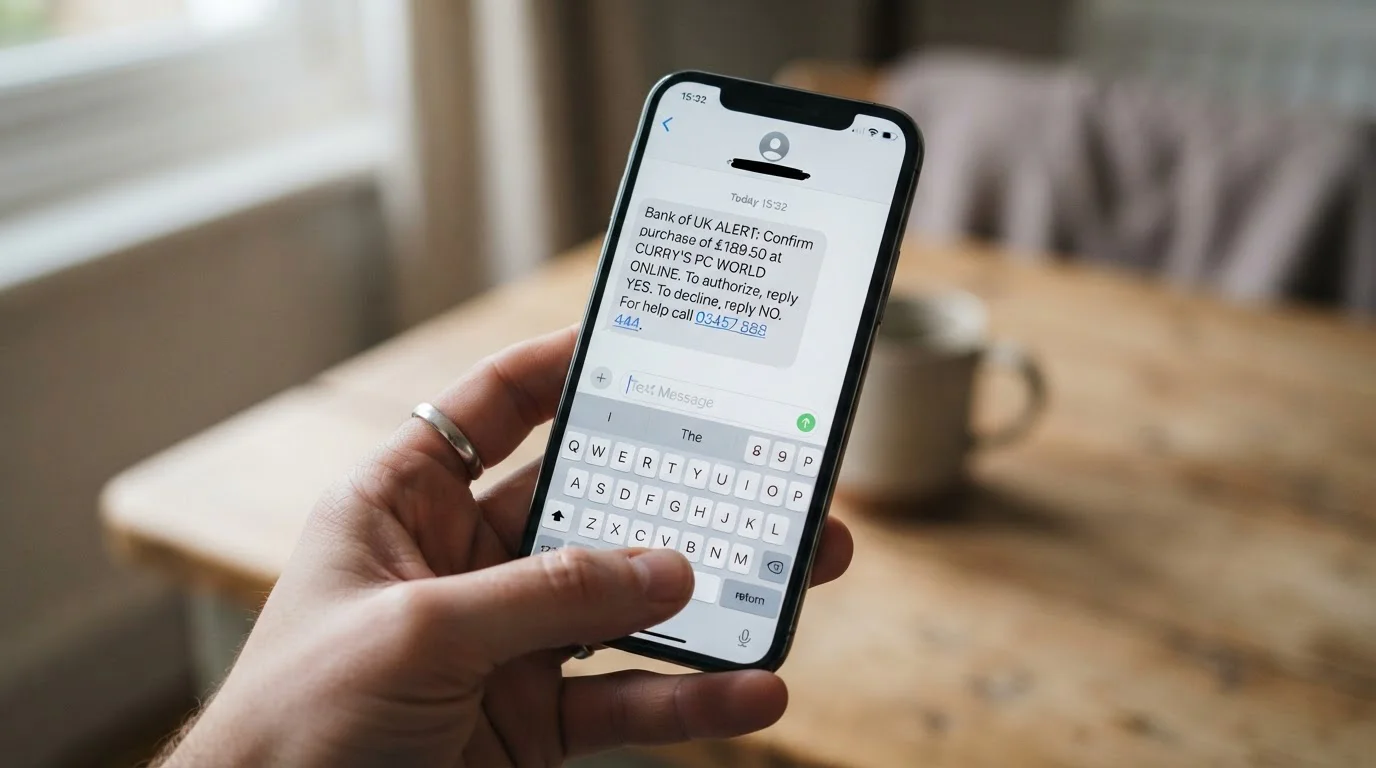
For casino players, Fonix took over the technical infrastructure Boku vacated: you still enter your mobile number at the cashier, receive an SMS asking you to authorise the £10 or £20 or £30 charge, reply YES or click the link, and see funds land in your casino balance within seconds. The player-facing experience is identical to the Boku process. The only difference is which company’s API the casino integrated on the back end.
Some operators updated their cashier labels to say “Pay by Mobile via Fonix” or “Phone Bill Deposit (Fonix).” Others kept generic “Pay by Phone” wording without naming the processor. A few still display “Boku” branding in legacy UI despite Fonix running the transaction underneath. None of this changes what appears on your phone bill: the charge posts as a premium SMS or carrier billing line item regardless of which aggregator processed it.
What This Means for Players in 2026
Nothing functional changed when Boku exited. The £30 transaction cap stayed in place because EE, Vodafone, O2, and Three set that limit at the network level, not Boku or Fonix. The deposit-only limitation persists because carrier billing is a one-way “push” payment by design — mobile networks do not issue credits or refunds to phone bills for gambling winnings under UK regulatory constraints.
If you deposited by phone bill at a UK casino in 2023 using Boku, and you deposit by phone bill at the same casino in 2026 using Fonix, the process feels identical: same SMS confirmation flow, same instant credit, same monthly aggregation on your bill. The back-end API changed; the front-end experience did not.
The name “Boku casinos” will likely persist for years because brand names stick long after the underlying service provider changes. Cashiers may keep it because rebranding costs time. But when you authorise that £20 phone bill deposit in 2026, Fonix is processing it, not Boku.
Can I still use Boku to deposit at UK casinos in 2026?
Not directly: Boku Inc. no longer processes UK casino deposits. Functionally, yes: phone bill deposits still work through Fonix with the same steps of entering your number, confirming by SMS and receiving funds instantly. A cashier still showing “Boku” branding is usually legacy wording over a Fonix integration.
What’s the difference between Boku, Fonix, and Payforit?
Payforit was a shared carrier billing standard that UK mobile operators decommissioned in 2023. Boku was the aggregator that dominated casino phone billing from about 2017 until its exit. Fonix is now the main aggregator at UKGC casinos. All three charge a deposit to your phone bill after SMS authorisation.
How to Deposit With Boku at UK Casinos — Step by Step
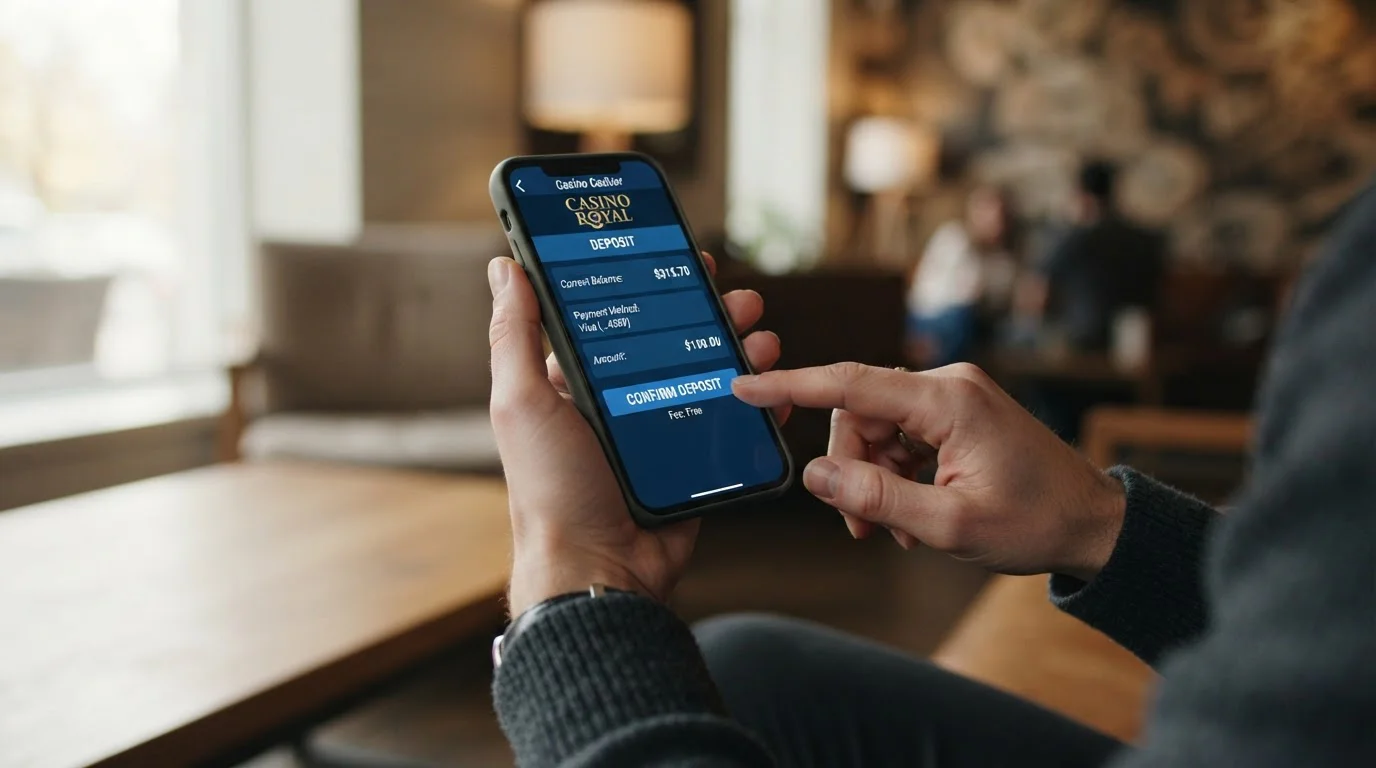
Phone bill deposits process through carrier billing: a third-party aggregator (Fonix in 2026, historically Boku) contracts with your mobile network to add charges to your monthly bill or deduct them from prepaid credit. The SMS confirmation is required by the consumer-protection rules for phone-paid services, which demand explicit authorisation for each charge. The process takes under 30 seconds from cashier click to casino balance credit.
The Five-Step Deposit Process
Navigate to your casino’s cashier or banking page and select the deposit amount, typically between £10 and £30. The upper bound exists because £30 is the per-transaction cap set by UK mobile networks as a harm-reduction measure.
Click “Pay by Mobile,” “Pay by Phone,” “Fonix,” or whichever label the operator uses for phone bill deposits. Some sites group it under “Alternative Payments” or “Instant Methods.” The system prompts you to enter your UK mobile number in 11-digit format (07xxx xxxxxx).
You receive an SMS within 5–10 seconds: “Authorise £20 charge to [Casino Name] via Fonix. Reply YES to confirm or click this link.” The message includes the exact amount, the merchant name (often the casino’s legal entity rather than brand name), and the processor. Reply YES via text or click the embedded link to authorise.
Funds appear in your casino balance within 5 seconds of authorisation. No page refresh needed; most cashiers auto-update the balance display when the Fonix API confirms the transaction. You can start playing immediately.
The charge posts to your next monthly phone bill (postpaid contracts) or deducts from your credit balance instantly (prepaid/PAYG accounts). Postpaid bills typically arrive 7–30 days after the deposit, depending on your billing cycle. The line item shows as “Premium SMS” or “Carrier Billing” with the merchant name, not necessarily the casino brand you recognise.
Which UK Mobile Networks Support Phone Bill Deposits
All four major UK mobile networks support carrier billing for gambling deposits: EE, Vodafone, O2, and Three. Sky Mobile, Tesco Mobile, Virgin Mobile, and giffgaff (an O2 MVNO) also support it because they operate on the host network infrastructure that allows carrier billing.
Smaller MVNOs (mobile virtual network operators) may or may not support phone bill gambling deposits depending on their agreement with the host network. giffgaff explicitly supports it because O2 does. Some budget MVNOs block premium SMS and carrier billing entirely as a cost-control measure, so if your first phone bill deposit attempt fails with “network not supported,” that is likely why.
The processor (usually Fonix) checks your number against supported network prefixes when you enter it at the cashier. If your network does not support carrier billing, the transaction declines before you receive the SMS authorisation, and the cashier usually displays “Please use an alternative payment method.”
Transaction Limits and the £30 Ceiling
The £30 per-transaction cap is set by EE, Vodafone, O2, and Three under their network operator licensing and harm-reduction policies, not by UKGC regulation and not by Fonix or the casinos. Mobile networks classify gambling deposits as “premium services” and impose tighter spending controls than standard purchases to limit bill shock and problem gambling exposure.
£30 per transaction acts as a natural brake: you cannot load £100 into a casino account in one phone bill deposit the way you can with a debit card. You can make multiple £30 deposits in quick succession (nothing technical stops you from depositing £30 three times within a minute), but each one requires a separate SMS authorisation, creating friction that slows impulsive spending.
The cap is uniform across all UK mobile networks and has not changed since carrier billing launched in the gambling vertical pre-2020. UKGC does not regulate this limit directly; it is a commercial and harm-reduction decision by the telecom operators who ultimately carry the credit risk if a postpaid customer cannot pay their phone bill.
Monthly Caps and Bill Aggregation
Beyond the £30 per-transaction cap, UK mobile networks impose monthly spending limits on carrier billing: typically £240 for postpaid contracts, sometimes higher (£400) for long-standing customers with strong credit records, and variable for prepaid accounts depending on available credit balance.
These caps aggregate across all premium services, not just gambling. If you spend £60 on casino deposits, £30 on a charity text donation, and £50 on a mobile game purchase in one month, you have consumed £140 of your £240 cap. Networks do not separate gambling spend into a special bucket; it all falls under “premium SMS and carrier billing” in their systems.
Three £30 deposits per day for a week equals £630 attempting to post to your phone bill. If your network cap is £240, eight £30 deposits use it up exactly, so the ninth transaction will decline even though each individual £30 charge sits below the per-transaction limit. The network’s billing system tracks cumulative monthly spend and refuses authorisation once you hit the ceiling.
Prepaid accounts work differently: each deposit deducts from your available credit immediately, so the “monthly cap” is whatever credit balance you topped up. Run out of credit mid-month and the next phone bill deposit attempt fails regardless of the £30 per-transaction allowance.
How long does it take for a phone bill deposit to appear in my casino balance?
Usually within five seconds of SMS authorisation, because Fonix confirms the payment to the casino in real time. If nothing appears after 30 seconds, the charge probably failed at network level (spending cap reached, network unsupported or SMS unconfirmed), and the cashier should suggest another payment method.
Do phone bill deposits work on all UK mobile networks?
They work on EE, Vodafone, O2 and Three and on MVNOs such as Sky Mobile, Tesco Mobile, Virgin Mobile and giffgaff. Some budget MVNOs block carrier billing entirely, so a “network not supported” error usually means your provider opts out. A debit card or e-wallet avoids the problem.
Fees and Costs — What You’ll Actually Pay
The fee structure separating UK phone bill casinos matters more than any other single criterion. Deposit £10 at a fee-free operator and your phone bill shows £10. Deposit £10 at a Jumpman Gaming site and the bill shows £12.50. Make that deposit five times in a week and the gap is £50 versus £62.50. Over a month of regular play, the £2.50 surcharge accumulates to £30+ in pure overhead buying you nothing.
Fee-Free Operators (Betable Limited)
IvyCasino, Oreels, and Bet442 charge zero fees on phone bill deposits processed via Fonix. Deposit £10 and your mobile bill itemises £10. Deposit £30 and the bill shows £30. The operator absorbs whatever processing cost Fonix charges (typically a small percentage or per-transaction fee negotiated in the aggregator contract) rather than passing it to the player.
This positioning is unique to Betable Limited’s portfolio. No other UK licensee offers fee-free phone bill deposits at comparable scale as of 2026. PlayOJO also absorbs fees but does not explicitly market “zero surcharge” the way Betable brands do, suggesting the cost structure is tight enough that advertising it might invite scrutiny if processing fees later force a price adjustment.
The £2.50 Jumpman Surcharge
Jumpman Gaming’s 60+ white-label network sites all charge a flat £2.50 fee per phone bill deposit, disclosed transparently at the cashier and in banking terms before you authorise the SMS. The surcharge applies regardless of deposit amount: £10 costs £12.50, £20 costs £22.50, £30 costs £32.50 on your mobile bill.
The £2.50 fee is operator-applied, not Fonix-applied. Fonix processes the carrier billing transaction; Jumpman adds the markup to cover processing costs and extract margin. Other UKGC operators using Fonix do not all charge £2.50, proving the surcharge is a commercial decision at the licensee level rather than a pass-through cost from the aggregator.
Amazon Slots, The Sun Play, Buffalo Spins, Wolf Spins, Vegas Moose, and the rest of the Jumpman network operate under this identical fee structure. Check the footer for UKGC licence 39175 to confirm you are on a Jumpman site before assuming the £2.50 surcharge applies.
15% Markup Operators (PayviaPhone)
Betsuna and JeffBet charge a 15% fee on phone bill deposits processed via PayviaPhone, a separate aggregator from Fonix. Deposit £10 and your phone bill shows £11.50. Deposit £30 and the bill shows £34.50. The percentage markup scales with deposit size, making larger deposits more expensive than the Jumpman flat fee once you cross £17 (£17 + 15% = £19.55, worse than £17 + £2.50 = £19.50).
PayviaPhone’s 15% fee structure appears to be standard across the few UK casinos using that aggregator, but the method has minimal market penetration compared to Fonix. Most fee-conscious players avoid it once they calculate the markup on a £30 deposit.
What Your Phone Bill Will Show
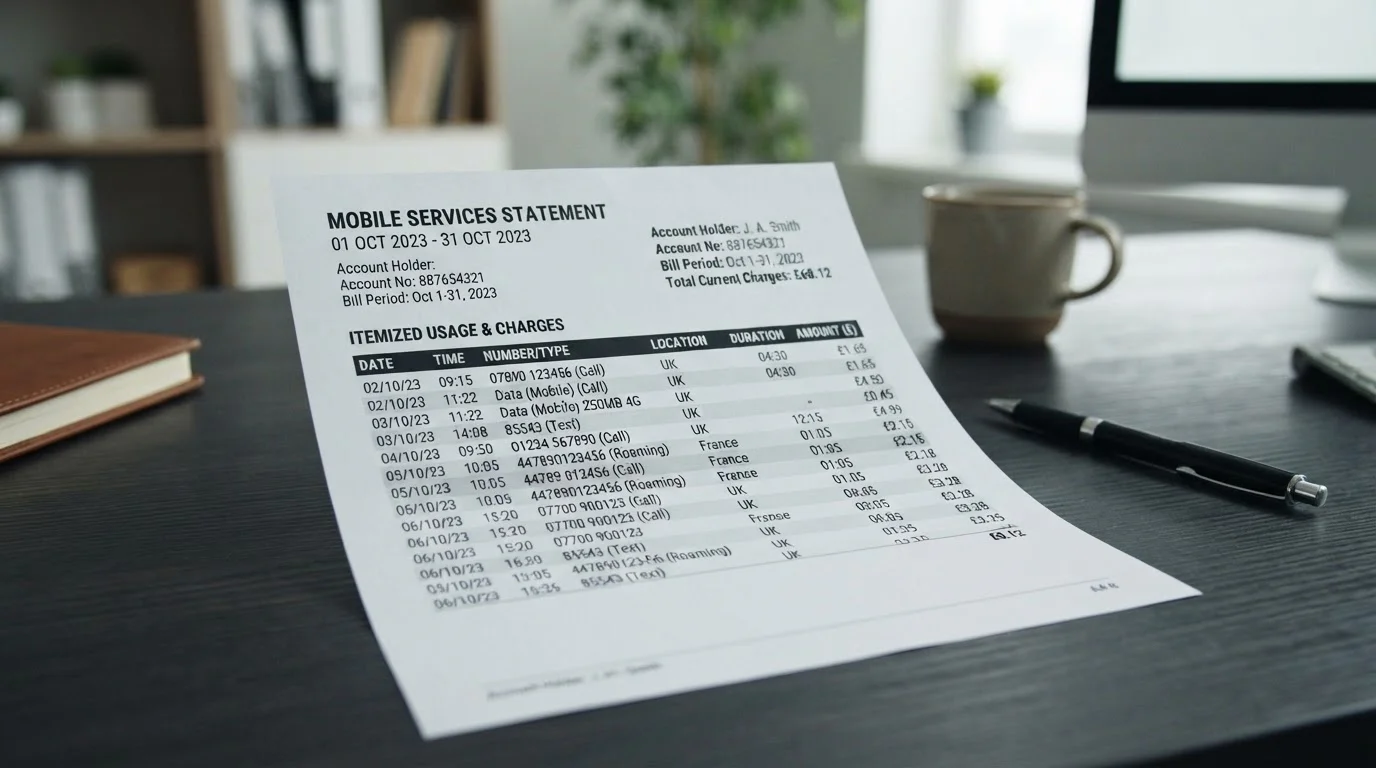
Postpaid contracts itemise premium SMS and carrier billing charges as separate line items under “Additional Charges” or “Premium Services” on your monthly statement. The merchant name usually appears as the casino’s legal entity (e.g., “Betable Limited” or “Jumpman Gaming Limited”) rather than the brand you recognise (IvyCasino, Amazon Slots). The amount includes any operator surcharge: a £10 deposit at a Jumpman site posts as £12.50 on the bill.
Prepaid accounts deduct the full amount (deposit + surcharge if applicable) immediately from your available credit balance when you authorise the SMS. No itemised statement exists because you prepaid the credit; the deduction just lowers your balance from £25 to £12.50 after a £10 Jumpman deposit, for example.
Multiple deposits in one billing cycle aggregate as separate line items, not a single lump sum. Five £20 deposits across a month appear as five separate £20 (or £22.50 at Jumpman) charges on the bill, making it easy to track spending but also making bill shock visible when casual twice-weekly deposits accumulate to £200+ without conscious budgeting.
| Deposit Amount | Fee-Free Casino Cost | Jumpman Network Cost | PayviaPhone Cost |
|---|---|---|---|
| £10 (single) | £10.00 | £12.50 | £11.50 |
| £20 (single) | £20.00 | £22.50 | £23.00 |
| £30 (single) | £30.00 | £32.50 | £34.50 |
| £100 (5× £20) | £100.00 | £112.50 | £115.00 |
| £300 (10× £30) | £300.00 | £325.00 | £345.00 |
The worked examples quantify the cost difference over realistic deposit patterns. Casual players making 5–10 deposits per month pay an extra £12.50–£25 in pure overhead at Jumpman sites compared to fee-free Betable operators, with PayviaPhone even worse. That is £150–£300 annually buying nothing.
Why You Can’t Withdraw to Boku — And What to Use Instead
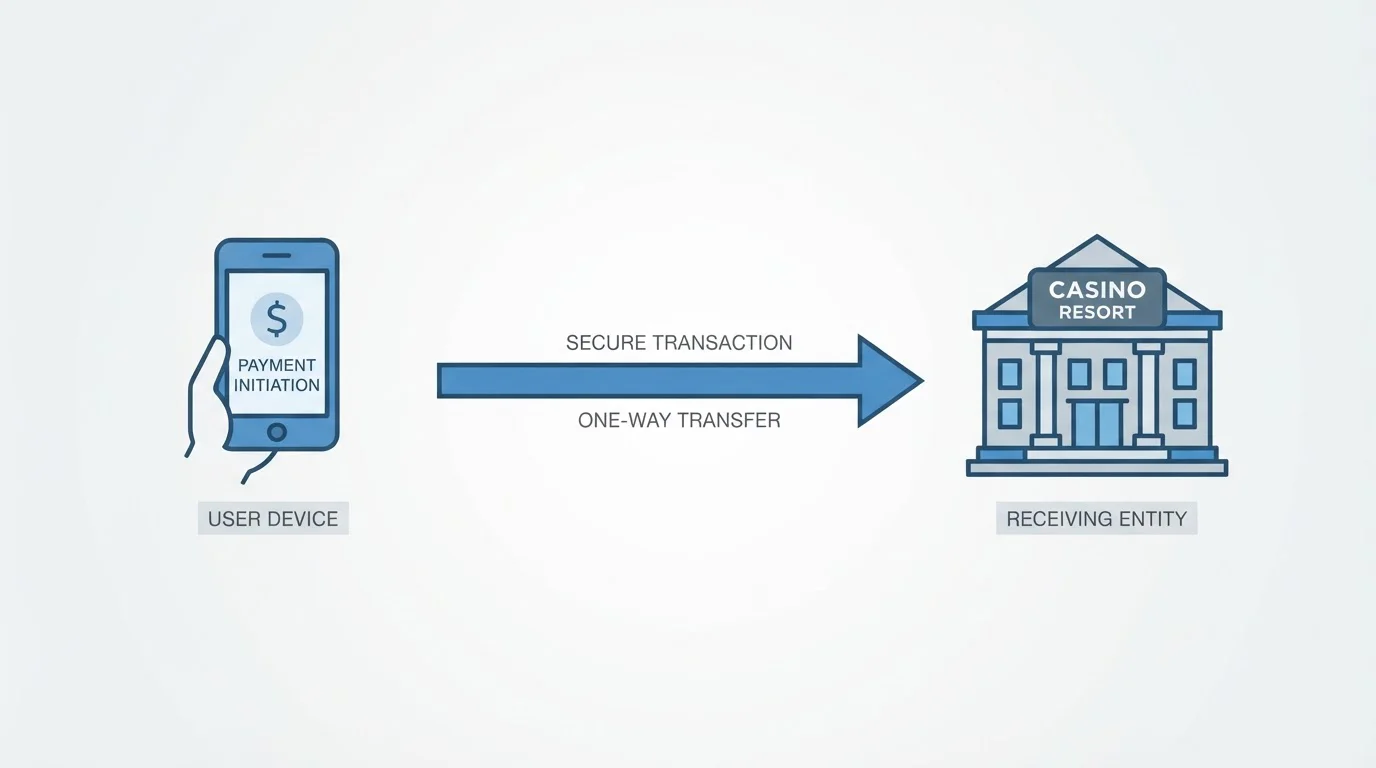
Carrier billing is a one-way payment method by technical design and regulatory constraint. You push money from your phone bill to the casino; the casino cannot push money back to your phone bill. Every UKGC operator accepting phone bill deposits requires an alternative verified withdrawal method before processing your first cashout, regardless of how many times you deposited via Fonix.
The Technical Reason Phone Bill Withdrawals Don’t Exist
Carrier billing works as a “push” authorisation: you explicitly approve a charge to your phone bill or prepaid credit via SMS for a specific amount to a specific merchant. The mobile network operator (EE, Vodafone, O2, Three) processes the charge as a premium service transaction, similar to buying mobile content or making a charity donation by text.
UK mobile networks do not operate bidirectional financial accounts that can receive credits or refunds for gambling winnings. Their licensing and operational infrastructure covers outbound charges (you authorise, they bill you) but not inbound payments (casino credits your phone account). Regulatory constraints under UK telecom operator licensing prohibit using phone bills as de facto banking accounts, and no technical rail exists within carrier billing systems to process a “reverse” transaction where the casino issues a credit that reduces your next phone bill.
Additionally, UKGC anti-money laundering rules require casinos to verify withdrawal methods separately from deposit methods. Even if phone bill withdrawals were technically possible, regulators would likely prohibit them because carrier billing provides minimal identity verification (just a mobile number and SMS confirmation) compared to the checks applied to payout destinations (an account or card verified in your own name, plus source-of-funds documentation when the operator’s checks call for it).
The deposit-only limitation is permanent by design, not a temporary technical gap waiting to be solved. If you want to withdraw casino winnings in 2026, you need a debit card, bank account, or e-wallet in your own name on file.
Alternative Withdrawal Methods You’ll Need
Debit cards are the most common withdrawal method at UKGC casinos. If you deposited by card at any point (even once, months ago), you can withdraw to that same card. Processing time is typically 1–3 working days from approval to funds landing in your bank account. Credit cards are banned for gambling deposits and withdrawals in the UK since April 2020, so only debit cards work.
Bank transfer via Open Banking or manual account details allows direct withdrawals to your UK current account. Open Banking integrations (used by some operators for instant verification) process faster than manual bank transfers requiring sort code and account number entry, but both reach your account within 1–5 working days depending on the operator and your bank’s processing schedule.
E-wallets like PayPal, Skrill, and Neteller work for withdrawals if the casino accepts them and your account is verified. PayPal is widely accepted at UKGC operators and processes quickly (often within 24 hours), but many UK casinos exclude PayPal deposits from bonus eligibility as an anti-bonus-abuse measure. Skrill and Neteller face similar exclusions and have higher fees than direct bank methods for most UK players.
Whichever method you choose, the casino may run extra checks before processing the first withdrawal: confirming the payout account is yours, requesting proof of address (utility bill or bank statement dated within 3 months), and potentially asking for source-of-funds documentation if its affordability or anti-money-laundering checks are triggered. These checks take 24–72 hours on average, though some operators complete them in under 12 hours.
KYC Verification: What to Expect
Every UKGC-licensed casino must verify your age and identity before you can deposit or gamble — a rule in force since May 2019 — even if you pay by phone bill without entering bank details. Most of this happens electronically at sign-up; if the automated check fails, the casino typically asks for three documents: photo ID proving your identity (passport, UK driving licence, or national ID card if you are from an EEA country), proof of address proving UK residency (utility bill, council tax bill, bank statement, or HMRC correspondence dated within the last 3 months and showing your full name and registered address), and occasionally proof of payment method (a bank statement or screenshot showing the debit card or account you want to withdraw to, with middle digits redacted for security).
Upload these via the casino’s account section or email them to the support team as requested. Most operators use automated document scanning that completes verification within 24–48 hours. Manual review adds time if documents are unclear or require additional checks. Some casinos fast-track VIP players or high-stakes winners but keep standard players in the 48–72-hour queue.
Withdrawals remain “pending” in your casino account until any outstanding checks clear. UK-licensed casinos are not allowed to let you reverse a pending withdrawal back into your playable balance — the Gambling Commission banned reverse withdrawals in October 2021 — so a delay costs you time, not money. Adding your withdrawal method and uploading any requested documents early removes most of this friction, but many players do not think about it until the first withdrawal attempt.
Can I withdraw my winnings back to my phone bill?
No. Carrier billing is deposit-only by design: UK mobile networks cannot credit gambling winnings back to a phone bill or prepaid balance. Before cashing out you must add a withdrawal method in your own name, such as a debit card, bank account or e-wallet, and the casino may check that it belongs to you.
Boku Deposit Limits — Daily, Monthly, and Minimum
Phone bill gambling deposits face three overlapping limit layers: per-transaction caps set by mobile networks, monthly spend ceilings enforced at the carrier billing level, and minimum deposit thresholds set by individual casino operators. Understanding who controls each limit clarifies why you hit declines and what adjustments (if any) you can make.
The £30 Per-Transaction Cap
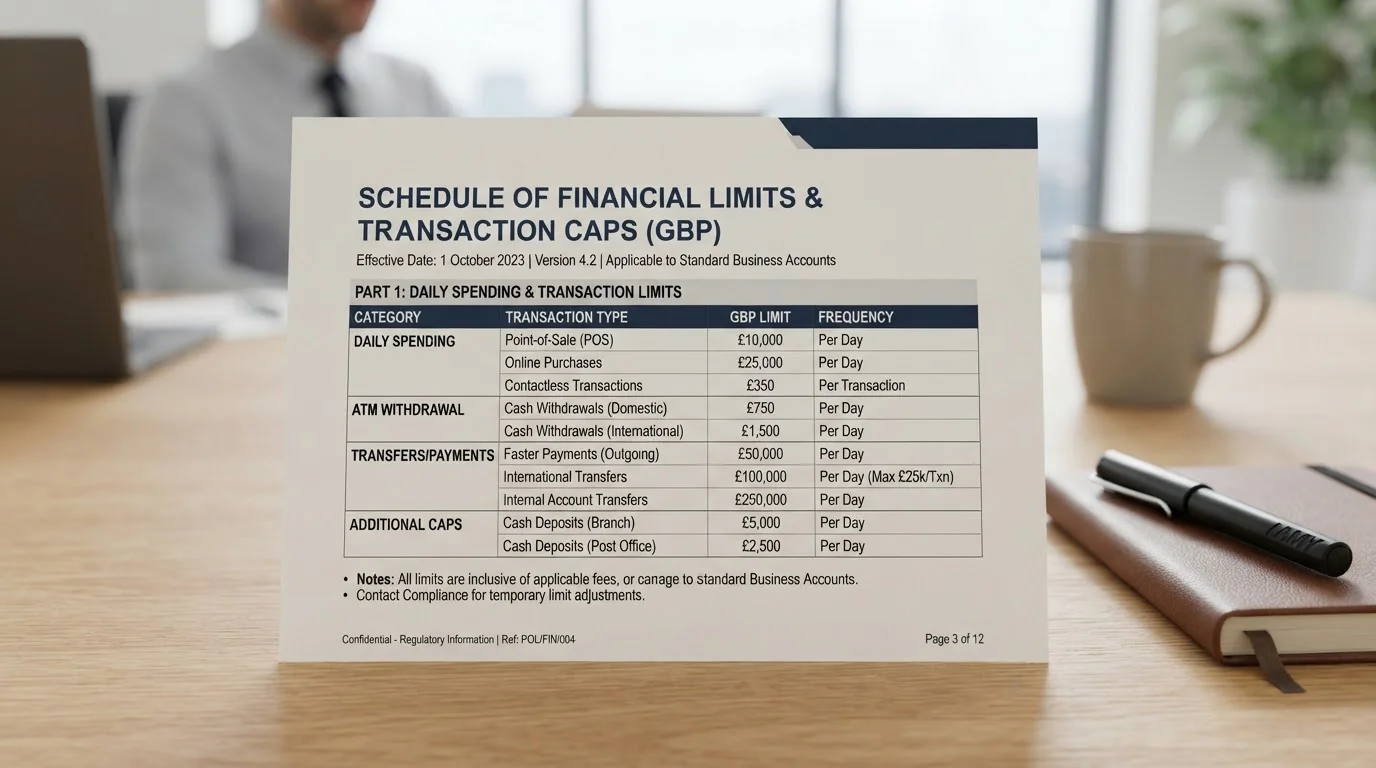
Every phone bill casino deposit in the UK tops out at £30 per transaction, set by EE, Vodafone, O2, and Three as a harm-reduction policy under their telecom operator licensing. The cap applies regardless of which aggregator processes the transaction (Fonix, PayviaPhone or another) and regardless of which casino you play at. Attempting to deposit £40 or £50 via phone bill simply is not offered as an option at the cashier — the maximum amount you can select is £30.
The £30 limit balances convenience against harm reduction. It lets casual players top up without entering bank details or card numbers, but prevents loading a £500 bankroll in one transaction the way debit cards allow. Each £30 deposit requires its own SMS authorisation, creating natural friction that slows spending velocity.
This cap is not negotiable. Calling your mobile network and asking for a higher per-transaction limit will not work because the £30 ceiling is coded into the carrier billing system as a blanket rule for gambling merchants, not a per-customer setting. If you need to deposit more than £30, you make multiple £30 deposits in succession (each with separate SMS auth) or switch to a debit card.
Monthly Spending Limits (£240–£400)
Beyond the per-transaction cap, UK mobile networks enforce monthly aggregate limits on all premium SMS and carrier billing services, typically £240 for standard postpaid contracts, occasionally up to £400 for long-standing customers with strong credit records, and variable for prepaid accounts tied to available credit balance.
These limits pool spending across all premium services, not just gambling. A £30 casino deposit, a £10 charity text donation, a £20 mobile game purchase, and another £30 casino deposit consume £90 of your monthly cap. Networks do not separate gambling into a protected or restricted category; it simply falls under “carrier billing” in their systems, competing for the same £240 ceiling as everything else.
Postpaid customers typically discover their monthly cap when a mid-month deposit declines with “transaction limit reached” or similar error messaging. The network’s billing system tracks cumulative spend since your last bill date and refuses authorisation once the threshold is hit. Some networks send SMS warnings at 80% of cap; others decline silently, leaving you to deduce the problem from the cashier error.
Prepaid accounts work differently: your monthly cap is whatever credit you loaded onto the account. Deposit £30 by phone bill and that £30 (or £32.50 at a Jumpman site) deducts immediately, lowering your available balance. Run out of credit and the next deposit attempt fails regardless of the £30 per-transaction allowance or any theoretical monthly cap.
Minimum Deposit Requirements
UKGC casinos typically set £10 as the minimum deposit across all payment methods, including phone bill. A few operators accept £5 or even £3 phone bill deposits, but these are outliers. The £10 floor is an operational threshold: processing costs, bonus eligibility floors, and anti-fraud systems make sub-£10 deposits uneconomical for most operators to handle.
At a fee-charging operator like Jumpman Gaming, a £10 minimum deposit costs £12.50 on your phone bill after the £2.50 surcharge. Some players prefer starting with £5 to test a new casino, but phone bill deposits rarely accommodate that preference unless the site explicitly advertises a £5 minimum at the cashier.
Maximum deposit via phone bill is £30 per transaction due to network caps, but casinos do not usually advertise a formal “maximum” because you can theoretically make multiple £30 deposits in rapid succession until hitting the monthly aggregate cap. In practice, depositing £30 five times within an hour to load £150 (costing £162.50 at Jumpman sites) is technically possible but behaviourally flagged as unusual by both the casino’s anti-fraud systems and your mobile network’s spending velocity checks.
Bill Shock: How Multiple Deposits Add Up
Three £30 deposits in one evening equals £90 on your next phone bill (or £97.50 at Jumpman sites). Do that twice a week and you would be trying to put roughly £780 a month on your bill (about £845 with Jumpman’s surcharge); in practice a typical £240 network cap starts declining deposits in the second week, but by then £240 has stacked up before you have noticed. Bill shock occurs when small, frictionless transactions aggregate invisibly until the statement arrives 7–30 days later showing a figure far higher than expected.
Phone bill deposits encourage this pattern because each £30 authorisation feels isolated and manageable. You get no running total, no wallet depleting, no card statement updating in real time. The SMS says “Authorise £30 charge,” you confirm, and the consequence lands weeks later as a line item among dozens of others on a phone bill you may not scrutinise closely.
Postpaid customers bear the full risk: you can deposit £30 daily until hitting the £240 monthly cap, then receive a bill 10–30 days later for £240 in gambling charges on top of your £40 monthly plan, creating a £280 invoice when you budgeted for £40. Prepaid customers have built-in protection (you cannot spend credit you have not loaded), but the psychological impact is the same — multiple small deposits obscure cumulative spend until you check the balance and realise you burned through £100 of credit without noticing.
Setting personal deposit limits at the casino level (available in every UKGC operator’s responsible gambling tools) creates a hard cap independent of the network’s £240 ceiling. If you set a £100 monthly deposit limit at the casino and hit it via phone bill charges, the casino blocks further deposits across all payment methods until the limit resets, preventing bill shock even if your network would still authorise another £140 in carrier billing spend.
| Limit Type | Amount | Who Sets It | Purpose |
|---|---|---|---|
| Per-Transaction Cap | £30 | Mobile networks (EE, Vodafone, O2, Three) | Harm reduction, spending friction |
| Monthly Aggregate Cap | £240–£400 | Mobile networks | Credit control, billing cycle limit |
| Minimum Deposit | £10 (occasionally £5) | Casino operators | Operational threshold, bonus floors |
Why is there a £30 limit on phone bill casino deposits?
The £30 per-transaction cap comes from the UK mobile networks and their phone-payment rules, not from a UKGC gambling regulation. It stops anyone loading a large sum in one go while keeping small top-ups convenient, and depositing more means several separate SMS authorisations, each a chance to pause.
What happens if I make multiple phone bill deposits in one month?
Each deposit needs its own SMS authorisation and appears as a separate line on your bill. Together they count towards your network’s monthly cap, typically £240 for postpaid contracts. At £30 a time, the ninth deposit in a billing cycle is declined; cards and e-wallets are unaffected.
Alternatives to Boku for UK Casino Deposits
Phone bill deposits suit narrow use cases: small-stakes players avoiding bank details, casual sessions under £30, or testing a new casino with minimal commitment. Everyone else hits the limitations quickly. The £30 cap blocks bankroll loading. The deposit-only design forces a separate withdrawal setup anyway. And the £2.50 Jumpman surcharge bleeds £150+ annually for regular players.
Zimpler, Apple Pay, Google Pay, debit cards, and Open Banking each solve different friction points phone billing creates. The question is not “which is best” but “which trade-offs match your play pattern.”
Zimpler: The Bank-Linked Alternative
Zimpler is a Swedish payment provider that links to your bank account or card; it is not a carrier billing service and never touches your phone bill. You identify yourself with your mobile number and link a bank account or card once. Future deposits are confirmed with a code sent to your phone, which feels similar to phone bill deposits, but the money comes from your linked bank account or card. Transaction limits run higher (£100–£500 per deposit depending on casino and your Zimpler account verification level), and withdrawals route back through Zimpler to your linked bank account, solving the deposit-only limitation.
Processing speed matches phone billing: instant deposit, SMS confirmation, funds in casino balance within seconds. Withdrawal time is 24–72 hours once the casino approves, faster than most debit card withdrawals. Zimpler charges no fees to players; the casino pays the merchant fee as with most payment processors.
The downside is needing to register and verify a Zimpler account upfront (phone number, bank link, identity check) before your first deposit, whereas phone billing works without any registration. For one-off casino trials, phone billing is faster. For regular play, Zimpler offers the same SMS-auth convenience with none of the £30 cap or deposit-only friction.
Apple Pay and Google Pay
Apple Pay (iOS devices) and Google Pay (Android) let you deposit using a debit card stored in your phone’s wallet, authenticated via Face ID, Touch ID, or PIN. Transaction limits match the underlying debit card (typically £500–£5,000 per deposit), processing is instant, and withdrawals return to the same card after KYC verification.
Security is tighter than phone billing because the wallet tokenises your card number — the casino never sees your actual card digits, reducing fraud risk and data breach exposure. Most UKGC operators support Apple Pay and Google Pay as of 2026, though some exclude these deposits from bonus eligibility alongside PayPal.
The trade-off is requiring a smartphone with Apple Wallet or Google Wallet configured and a debit card already stored. If you do not use mobile wallets, the setup friction exceeds phone billing’s “enter mobile number, confirm via SMS” simplicity. But if you already pay for coffee and groceries via Apple Pay, extending it to casino deposits takes one tap.
Debit Cards and Open Banking
Standard Visa or Mastercard debit card deposits remain the most widely accepted method at UKGC casinos: instant processing, high limits (£500–£10,000 per transaction), and withdrawals to the same card within 1–5 working days after KYC. No fees for players at most operators, though some pass a small percentage charge if you use a business debit card or non-UK card.
Open Banking integrations (used by some operators under brands like PayByBank or Trustly) link directly to your UK bank account for one-time or recurring deposits, bypassing card networks entirely. Deposits clear instantly via real-time account verification, and withdrawals return to the same account. Open Banking withdrawals often arrive faster than standard debit card refunds (24–48 hours is typical at operators that support them) because no card network intermediary slows the transfer.
The practical difference is where the record sits: debit card and Open Banking transactions show on your bank statement under the casino’s merchant name or legal entity, whereas phone bill deposits are itemised on your mobile bill. Either way, the spending is on record, and keeping all of your gambling spend in one place makes it easier to see the true total each month.
When to Choose Phone Bill Deposits vs. Alternatives
Phone bill deposits make sense if you are testing a new casino with £10–£30, want to avoid entering bank details, or play casually 1–2 times per month under the £30 cap. The instant processing and SMS-only authorisation create minimal friction for small-stakes sessions, and the monthly spend cap enforced by mobile networks acts as a built-in spending control if you lack self-imposed discipline.
Choose Zimpler if you want phone-number-based confirmation backed by your bank account, with higher limits and two-way payments (deposit and withdrawal via the same method). Choose Apple Pay or Google Pay if you already use mobile wallets and want tokenised card security without entering digits at the cashier. Choose debit cards if you need £100+ deposits and want withdrawals to go back to the same place your deposits came from.
Avoid phone billing if you regularly deposit above £30, play multiple times per week (the £240 monthly cap becomes restrictive), or want withdrawals to match your deposit method. Avoid Jumpman Gaming’s £2.50 surcharge unless the specific site’s game selection justifies paying £150–£300 annually in pure overhead.
| Method | Speed | Limits | Fees | Withdrawal-Capable? | Best For |
|---|---|---|---|---|---|
| Phone Bill (Fonix) | Instant | £30/tx, £240–£400/month | £0–£2.50 | No | Small casual deposits, no bank details |
| Zimpler | Instant | £100–£500/tx | £0 | Yes | Bank-linked, phone-code confirmation, two-way |
| Apple Pay / Google Pay | Instant | Match card (£500–£5K) | £0 | Yes | Mobile wallet users, tokenised security |
| Debit Card | Instant | £500–£10K/tx | £0 | Yes | High deposits, standard method |
| Open Banking | Instant | £100–£10K/tx | £0 | Yes | Fast withdrawals, direct bank link |
Bonuses and Promotions at Boku Casinos
Most UKGC operators apply identical welcome bonus eligibility across payment methods: debit cards, e-wallets, and phone bill deposits all qualify unless the terms explicitly exclude Fonix or mobile payments. The meaningful variation is not eligibility but structure. Betable Limited’s brands run modest match bonuses with reasonable wagering. Jumpman Gaming sites favour free spin offers, whose older 40×-plus playthrough terms have had to fall to 10× or less since 19 January 2026. PlayOJO stands alone with zero wagering across all bonuses.
Bonus Eligibility for Phone Bill Deposits
Yes at the overwhelming majority of UKGC casinos. Phone bill deposits via Fonix are treated identically to debit card deposits for welcome bonus, reload bonus, and free spin eligibility. The casino’s terms and conditions list excluded methods (typically Skrill, Neteller, and PayPal due to anti-bonus-abuse history), and Fonix rarely appears on that exclusion list.
IvyCasino’s 25% up to £50 welcome offer, Oreels’ 100% up to £25, and Bet442’s 100% up to £100 all accept phone bill deposits as qualifying methods. Jumpman Gaming network sites also accept phone bill deposits for their free spin offers, though the tiered structure (50 spins on £10, 100 spins on £20, etc.) sometimes requires deciphering which games the spins apply to and what the wagering requirement actually is after the marketing gloss.
A few operators exclude “mobile payment” or “pay by phone” from specific promotions, usually high-roller reload bonuses or VIP cashback schemes where abuse risk runs higher. Check the terms before depositing if bonus eligibility matters; the exclusion is stated explicitly if it exists.
No-Wagering Offers at Boku Casinos
PlayOJO pioneered the no-wagering bonus model in the UK: 50 Free Spins on first deposit with all winnings paid as withdrawable cash, no playthrough requirement. Spin your 50 rounds, win £18, and that £18 goes straight to your cash balance available for withdrawal after KYC verification. No “bet the winnings ten times before cashing out,” no maximum conversion cap, no game restrictions beyond the initial spin allocation.
The OJOplus cashback system extends this: every spin on every game returns a small percentage as cash (typically 0.1%–0.5% of total bets, varying by game), paid weekly to your account with no wagering requirement. Stake £100 across a week of play and get 10p–50p back as real cash, not bonus credit that needs turnover to unlock — small, but it never expires behind conditions.
This model suits risk-averse players who hate locking winnings behind wagering traps. The trade-off is lower headline bonus value (50 spins with no wagering can be worth more in practice than a larger offer with 10× wagering, but the marketing looks weaker). For phone bill depositors making small £10–£30 stakes, PlayOJO’s transparency beats chasing a £500 welcome package you statistically will not clear.
What to Watch Out For in Bonus Terms
Maximum bet limits during wagering phases typically cap each spin or hand at £5 or 10% of the bonus amount, whichever is lower. Breach the cap and the casino voids the bonus and any winnings derived from it, with no appeal. Phone bill depositors hitting this trap usually do so by accident: depositing £10, receiving a £10 bonus, then playing a £2 spin slot (20% of bonus, over the 10% cap) without reading the terms.
Game weighting skews wagering contribution heavily towards slots. Bet £100 on slots and it counts as the full £100 towards clearing a wagering requirement. Bet £100 on blackjack and it counts as £10 (10% weighting) or £0 (excluded entirely) depending on the operator. Roulette is usually 20–50% weighted. Live dealer games often contribute nothing. If you deposited by phone bill to play live blackjack, most bonuses are worthless because you will never clear the wagering requirement on a 0–10% contribution rate.
Withdrawal voiding clauses appear in some terms: request a withdrawal before clearing wagering and the casino cancels both the pending cashout and the remaining bonus, leaving you with only the original deposit amount (if you haven’t lost it). This punishes players for changing their mind mid-bonus, creating a “finish the wagering or forfeit everything” locked-in period that can stretch days if you are playing £0.50 spins.
Time limits range from 7 to 30 days depending on operator. Deposit £10, receive a £10 bonus with the maximum 10× wagering (£100 turnover required), and get 14 days to clear it. Miss the deadline and the bonus and any associated winnings vanish, leaving only your original deposit (or remaining balance if you played some). The 10× cap introduced on 19 January 2026 makes £100 of turnover far more achievable than the £350-plus older offers demanded, but casual phone bill depositors still need to note the deadline.
Slots, Live Casino, and Games at Boku Casinos
Game libraries at UK phone bill casinos tilt heavily towards slots because the target demographic (small-stakes casual players) overlaps with the slot audience more than table game or live dealer enthusiasts. IvyCasino runs 500+ slots focused on Megaways and Jackpot King progressives. Oreels stretches to 1,000+ titles across slots, table games, and Evolution live casino. PlayOJO hits 3,000+ games from NetEnt, Microgaming, Pragmatic Play, and Play’n GO. Jumpman Gaming’s white-label network shares a common pool of 500–700 slots with minimal live casino or table game depth.
The overlap makes sense: phone bill deposits cap at £30 per transaction, aligning with £0.10–£2 slot spins far better than £25 blackjack hands or £100 roulette spreads. High-stakes players gravitating towards live dealer tables or poker rarely bother with phone billing’s limitations.
Slot-focused players will find familiar titles across all operators: Starburst, Gonzo’s Quest, Book of Dead, Big Bass Bonanza, Gates of Olympus. Provider rosters vary but most UK casinos licence NetEnt, Pragmatic Play, Play’n GO, and Blueprint Gaming as baseline suppliers. Betable Limited brands add Jackpot King network progressives (Blueprint Gaming) and Slingo titles; Jumpman Gaming sites lean into Eyecon slots (Fluffy Favourites series) alongside mainstream providers.
Live casino depth varies. PlayOJO and Oreels offer full Evolution Gaming lobbies with blackjack, roulette, baccarat, and game shows (Crazy Time, Monopoly Live). IvyCasino and Bet442 include live casino sections but lighter selection than dedicated live specialists. Jumpman Gaming network sites often skip live casino entirely or offer a token 5–10 tables, betting the slot-only model suits their audience better.
Table games (RNG blackjack, roulette, baccarat) appear as secondary content at most operators. PlayOJO and Oreels include 20–30 RNG table variants; smaller operators run 5–10. Phone bill depositors looking for serious table game or poker play usually migrate to debit card deposits once they realise the £30 cap creates constant reloading friction for £10–£25 hand sizes.
Mobile Casinos and Apps With Boku
Phone bill deposits originate from mobile by definition — you need a mobile number and SMS capability — but that does not mean every operator offers a dedicated mobile app. Most UKGC casinos prioritise mobile-optimised browser sites over native apps because browser sites work across iOS, Android, and desktop without requiring separate App Store and Google Play submissions subject to gambling app restrictions.
IvyCasino offers native iOS and Android apps alongside a mobile-optimised browser site. PlayOJO does the same. Oreels and Bet442 run mobile-responsive browser sites without standalone apps. Jumpman Gaming’s network sites universally opt for browser-only experiences, keeping development costs down across 60+ white-label brands.
The functional difference between a native app and a good mobile browser site is minimal for casino play in 2026. Both load games instantly, handle deposits via the same payment APIs, and store session data locally. Native apps offer push notifications for bonus offers or tournament results, but UKGC restrictions on marketing communications limit how aggressively operators can use that channel anyway.
Phone bill deposits work identically whether you access the casino via native app or mobile browser: tap the deposit button, enter your mobile number, authorise via SMS, and funds credit instantly. The payment flow happens outside the app/browser in your device’s messaging app, so the casino interface (native or web) makes no difference to transaction speed or reliability.
Desktop users can also deposit by phone bill despite the method’s mobile-native design. Enter your mobile number at the desktop cashier, check your phone for the SMS authorisation, confirm, and the desktop balance updates within seconds. Slightly clunkier than entering a card number directly at the desktop, but functional if your debit card is in another room and your phone is in hand.
Are Boku Casinos Safe and Legal in the UK?
Every UKGC-licensed operator is legal for UK players regardless of payment method. Phone bill deposits processed via Fonix or any other aggregator do not create additional legal risk compared to debit card or e-wallet deposits. The safety question hinges entirely on whether the casino holds an active UKGC remote operating licence, not on which payment rails it integrates.

UKGC Licensing Explained
The UK Gambling Commission is the sole licensing authority for remote gambling operators serving Great Britain under the Gambling Act 2005. Any online casino advertising to UK consumers or accepting UK players must hold a UKGC remote operating licence or break the law. Offshore casinos licensed in Curaçao, Malta, or other jurisdictions cannot legally market to or serve UK players without a UKGC licence.
UKGC licences require operators to implement responsible gambling tools (deposit limits, loss limits, session time limits, self-exclusion), verify each customer’s age and identity before they can deposit or gamble, participate in GAMSTOP (the national self-exclusion scheme), and comply with advertising standards. Licences are publicly searchable at the UKGC register and include the operator’s legal entity name, licence number, permitted activities (casino, sports betting, bingo, poker), and enforcement history.
Betable Limited, Jumpman Gaming Limited (licence 39175), and SkillOnNet Limited (PlayOJO’s licensee) all appear in the UKGC public register with active remote casino licences; check each entry’s enforcement history yourself before depositing. If a phone bill casino you come across does not appear in the register, do not deposit. A site licensed outside Great Britain is not part of GAMSTOP and offers none of the UKGC’s player protections.
How to Verify a Casino’s Licence
Open the UKGC public register at secure.gamblingcommission.gov.uk/PublicRegister and search by the casino’s brand name, legal entity (usually shown in the site footer as “Operated by X Limited”), or licence number if you have it from the site’s terms. The register returns active licences with licence number, legal entity, permitted activities, and licence status.
Check that the licence type includes “Remote Casino” or “Remote Betting and Casino” (for combined sportsbook operators). Check that the status shows “Active” rather than “Suspended” or “Revoked.” Check that the domain you are playing on matches one of the registered domains listed under the licence — operators sometimes acquire additional domains over time, so a mismatch is not necessarily fraudulent, but if the domain is not listed and looks suspicious, it warrants caution.
Click through to the operator’s licence details to see enforcement history. Fines, warnings, or conditions added to the licence appear in the public record. A clean record is not proof of perfect operation, but a history of recent fines for AML failures, player fund mishandling, or responsible gambling breaches is a red flag.
If a casino claims UKGC licensing but does not appear in the register, or lists a licence number that resolves to a different operator, walk away. Some offshore sites falsely claim UKGC licensing in their marketing while operating under Curaçao or no licence at all. The register is the only authoritative source.
What GAMSTOP Means for Phone Bill Deposits
GAMSTOP is the UK’s free national self-exclusion scheme covering all UKGC-licensed operators. Register for GAMSTOP and you are blocked from all participating casinos, sportsbooks, bingo sites, and poker rooms for a minimum period of 6 months, 1 year or 5 years (your choice at sign-up). The block applies across all deposit methods including phone bill — if you are on GAMSTOP, Fonix authorisations to UKGC casinos will fail just as card deposits would.
Casinos cannot distinguish between deposit methods when applying GAMSTOP blocks because the block operates at the player account level via shared databases between the UKGC, operators, and GAMSTOP. Attempting to deposit £10 via phone bill at a UKGC casino while on GAMSTOP triggers the same error message as a £50 debit card deposit: “Registration/deposit blocked due to self-exclusion.”
Sites outside the UKGC licence are not part of GAMSTOP and do not offer UK protections: no UK-approved dispute resolution, no mandatory safer-gambling tools, no UK oversight of how they treat customers. If you have self-excluded, the exclusion exists to protect you. If it is proving hard to stick to, GamCare and the National Gambling Helpline (0808 8020 133) offer free, confidential support, and GAMSTOP can answer questions about your registration.
Are phone bill casinos safe and legal in the UK?
Yes, provided the casino holds an active UKGC remote operating licence, which you can confirm on the Commission’s public register. Paying through Fonix or another aggregator does not change that; the licence determines legality. Sites without a UKGC licence offer none of the UK player protections and are not part of GAMSTOP.
Do I need to set up an account with Fonix or Boku to deposit at casinos?
No. A phone bill deposit needs only a UK mobile number that can receive texts. You enter it at the cashier, confirm the SMS, and the charge goes through without any Fonix account. Each deposit is a one-off authorisation for a specific amount to a specific casino, with no stored payment profile.
Responsible Gambling and Boku Deposit Controls
The £30 per-transaction cap built into phone bill deposits acts as structural harm reduction whether players recognise it or not. You cannot load £500 into a casino account in one impulse authorisation. You cannot deposit beyond your mobile network’s £240 monthly cap even if you want to. And the SMS confirmation before every transaction creates deliberate friction compared to saved card payments that complete with a single click.
These limits are not substitutes for active responsible gambling tools (deposit limits, loss limits, time-outs, self-exclusion) offered by every UKGC operator, but they create guardrails for players who skip setting formal controls until a problem emerges. Casual players making 5–10 deposits monthly at £10–£30 each stay well within recreational spend ranges. The structural risk with phone billing is bill shock (losing track of cumulative spend until the statement arrives), not catastrophic single-session losses.
Why the £30 Limit Acts as Harm Reduction
The £30 cap forces chunking: breaking larger intended deposits into multiple transactions, each requiring separate authorisation. Intending to deposit £150 means five £30 transactions, five SMS confirmations, five deliberate “reply YES” or “click this link” moments. The friction is light — the whole sequence takes under two minutes — but it is not zero. Each pause creates a micro-opportunity to reconsider or stop.
Contrast with debit cards where you enter digits once, save them to your account, and future deposits complete with a single cashier click for any amount up to your card limit. The saved-payment path removes friction entirely, which is convenient for recreational players and dangerous for at-risk players. Phone billing’s inability to save credentials or bypass SMS authorisation ensures every transaction requires deliberate action.
The monthly £240 cap (enforced by mobile networks, not casinos) acts as a credit-control ceiling independent of casino-side deposit limits. If you set no deposit limits at the casino but hit the network’s £240 monthly cap, further phone bill deposits decline even though the casino would accept them. This network-level enforcement happens regardless of your gambling awareness or motivation to self-limit, creating a backstop for players who lack the discipline to set controls voluntarily.
Setting Deposit Limits at UKGC Casinos
Every UKGC operator must offer deposit limits as a responsible gambling tool: daily, weekly, and monthly caps that block deposits across all payment methods once reached. Set a £100 weekly limit and the casino refuses further deposits (phone bill, card, e-wallet) once you hit £100 within the rolling seven-day window, forcing a pause until the limit resets.
Deposit limits are player-initiated via account settings or responsible gambling sections of the site. Increases take 24–72 hours to apply (a cooling-off period mandated by UKGC rules). Decreases apply instantly, letting you lower limits mid-session if you feel control slipping. Removing a limit entirely also faces a 24-hour delay, preventing impulsive unlocking after hitting the cap.
Phone bill depositors benefit from stacking these controls: set a £150 monthly deposit limit at the casino level (applies across all payment methods), and you hit that ceiling before reaching the mobile network’s £240 monthly carrier billing cap. The casino blocks further deposits before your phone bill climbs into uncomfortable territory, even if the network would still authorise transactions.
GAMSTOP and Self-Exclusion
GAMSTOP is the UK’s free national self-exclusion scheme covering all UKGC-licensed operators. Register at gamstop.co.uk and choose a minimum exclusion period of 6 months, 1 year, or 5 years. The block applies immediately across every UKGC casino, sportsbook, bingo site, and poker room, preventing registration of new accounts and blocking access to existing accounts.
Phone bill deposit attempts while on GAMSTOP fail at the authorisation stage: the casino’s system checks your details against the GAMSTOP database before processing the Fonix transaction, recognises the block, and declines the deposit with a message directing you to support resources. No SMS is sent because the transaction never reaches the carrier billing stage.
Self-exclusion cannot be cancelled during the chosen period. You cannot unregister early even if you change your mind days later. That firmness is the point: creating a hard barrier that impulsive decision-making cannot bypass. The exclusion does not end automatically when the minimum period expires — it stays in place until you contact GAMSTOP and ask for it to be removed.
Sites licensed outside Great Britain are not part of GAMSTOP and offer none of the UK protections. If you have self-excluded and feel the urge to gamble anyway, treat that as a signal to reach out for support rather than a problem to work around; the services below are free and confidential.
Getting Help: BeGambleAware and National Gambling Helpline
BeGambleAware (begambleaware.org) is the UK’s leading gambling harm-prevention charity, offering free confidential support via online chat, email, and phone. The National Gambling Helpline (0808 8020 133) operates 24 hours daily, connecting callers with trained advisors who provide immediate support, refer to treatment services, and help set up GAMSTOP or other interventions.
GamCare (gamcare.org.uk) operates the National Gambling Helpline and offers free counselling and treatment, while the NHS runs specialist gambling clinics in several regions. Gamblers Anonymous UK (gamblersanonymous.org.uk) offers peer support groups in over 200 locations nationwide, following a 12-step recovery model similar to Alcoholics Anonymous.
Every UKGC casino must display BeGambleAware and National Gambling Helpline contact details prominently on their site, usually in the footer or responsible gambling section. The requirement ensures help resources are one click away regardless of which phone bill casino you play at.
Casino Deposit Methods UK 2026 – Compare Payment Options
Content created by the «Cashier Atlas» team